# New Dishes Signal Chefs' Shift Toward Seasonal Vegetables and Global Flavors
Restaurant menus across the country are turning lighter and bolder this season. Chefs are embracing raw vegetables with newfound confidence, while simultaneously reaching into global spice cabinets and low-alcohol spirits.
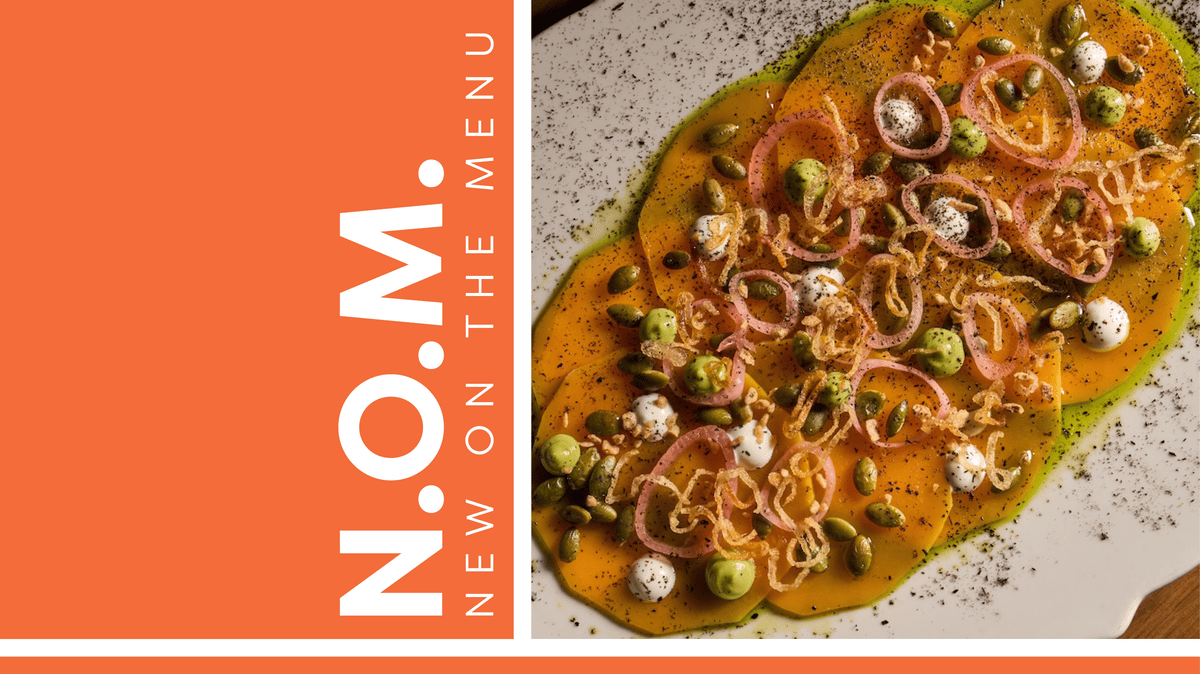
Squash carpaccio has emerged as a standout starter on several progressive menus. Raw squash, thinly shaved, allows the vegetable's natural sweetness to shine. The dish requires precise knife work and impeccable produce, making it a statement about a kitchen's commitment to technique and sourcing. Squash carpaccio sits alongside other uncooked vegetable preparations gaining traction, but its mild earthiness appeals to diners who might hesitate over more assertive raw vegetables like beetroot or radish.
Cardamom buns represent a different seasonal move. The spice, traditionally anchored to Scandinavian and Middle Eastern baking, now appears in American bakeries and restaurant bread programs. Cardamom's warm, slightly floral notes pair beautifully with butter and sugar, creating buns that feel both familiar and adventurous. This trend reflects broader chef interest in spices beyond the standard cinnamon-and-nutmeg playbook. Cardamom buns offer merchandising appeal too. They photograph well, command premium pricing, and generate word-of-mouth traffic.
Localized moqueca signals chefs' commitment to regional authenticity. The traditional Brazilian fish stew, built on coconut milk, tomatoes, and lime, adapts easily to whatever seafood a region produces. A chef in the Pacific Northwest might build moqueca with local halibut or rockfish. A coastal Carolina operation could feature shrimp or grouper. This approach respects the dish's core identity while demonstrating respect for local fisheries and seasonal availability.
Cocktail innovation extends to spirits strategy. A variation on the Gimlet, the classic gin-and-lime drink, invites bars to experiment with different botanicals and citrus ratios. The spiced low-alcohol Martini, meanwhile, addresses consumer demand for lighter drinking. By reducing alcohol content and introducing spice, bartenders create drinks that feel indulgent without the heaviness or hangover risk of traditional cocktails. These moves acknowledge shifting consumer preferences, particularly among younger drinkers seeking moderation and flavor complexity over proof.
Together, these menu additions reveal three powerful trends. First, chefs prioritize pristine ingredients and showcase them simply. Second, they draw inspiration globally but execute locally. Third, they respond to health-conscious diners without sacrificing taste or presentation.
These changes matter beyond individual restaurants. They shape how suppliers think about production and sourcing. They signal to culinary schools which skills matter most. They tell investors where the market is moving. Small restaurants that nail squash carpaccio and cardamom buns gain competitive advantage. Chains scramble to adapt these aesthetics at scale, usually with mixed results.
Menu evolution happens slowly, then fast. When multiple restaurants independently feature the same dish or flavor profile, it indicates genuine chef consensus rather than random experimentation. Squash carpaccio, cardamom buns, localized moqueca, and low-alcohol cocktails appear on menus from different cities and concepts. That consistency suggests these aren't passing fads. They represent how American restaurants eat right now.