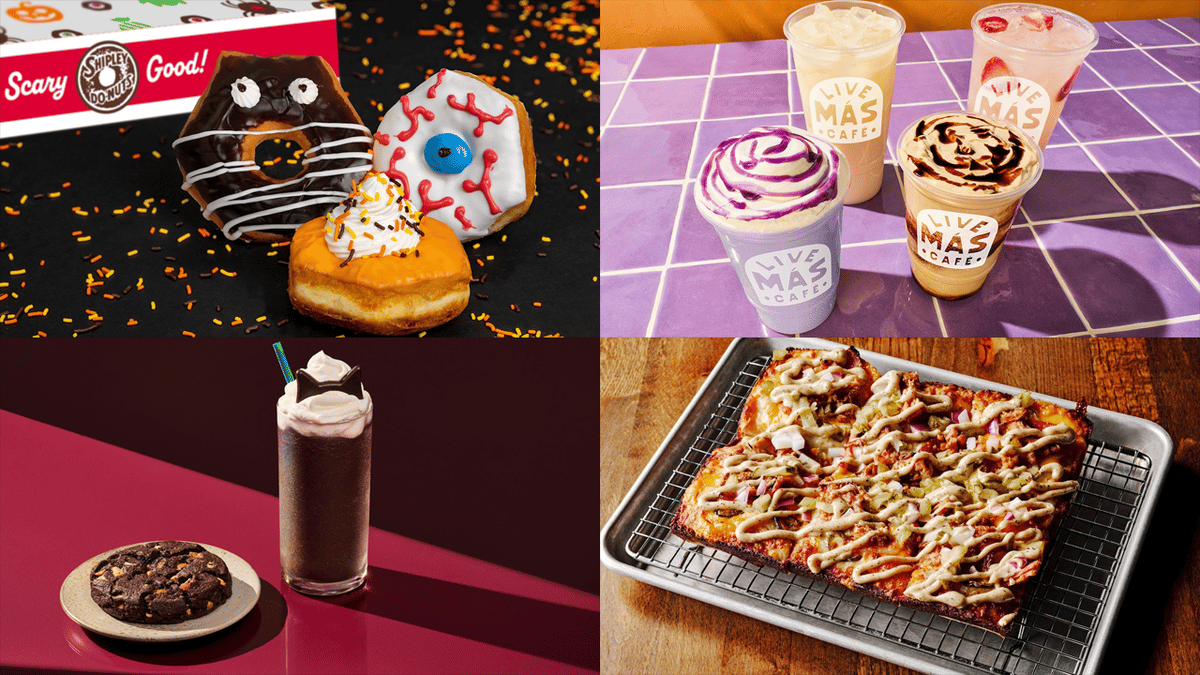
# Quick-Service Restaurants Race to Refresh Menus as Consumers Demand Novelty
The quick-service restaurant sector enters a critical innovation cycle, with major chains rolling out fresh menu items designed to combat customer fatigue and drive traffic during a challenging economic period.
Subway has introduced new sandwich offerings aimed at capturing lunch-hour volume across its 21,000-plus U.S. locations. The sandwich giant continues its pivot toward customization and premium protein options, recognizing that consumers increasingly compare their QSR choices to fast-casual competitors like Sweetgreen and local sandwich shops.
Taco Bell pushes further into flavor experimentation with new protein preparations and sauce combinations targeting its core younger demographic. The chain leverages its agility in test-and-learn environments, rolling out limited-time offerings that generate social media buzz before potential nationwide expansion. This strategy has proven effective for driving repeat visits without committing to permanent menu bloat.
Starbucks adds to its drink portfolio with seasonal and year-round beverages reflecting broader consumer interest in customization and nostalgic flavors. The coffee giant faces intensifying competition from independent coffee shops and convenience store coffee programs, making menu innovation essential to justifying premium pricing at its 16,000 U.S. locations.
Beyond the mega-chains, Cracker Barrel tests new comfort food items, a safe bet for a brand whose customers seek familiar, hearty meals. The casual-dining chain leverages its distribution model and captive retail audience to introduce products with lower risk than smaller competitors face.
Red Robin Gourmet Burgers continues its burger innovation strategy, a core brand promise that differentiates it from typical burger chains. Menu diversity around its signature product keeps customers engaged despite increased burger competition from fast-casual entrants.
Smoothie King responds to the health-focused beverage boom with reformulated smoothies and protein additions, competing directly with chains like Tropical Smoothie Cafe and Jamba Juice. The brand's emphasis on ingredient transparency and functional benefits resonates with consumers trading away sugary beverages.
Sweetgreen, the salad-forward fast-casual chain, introduces new bowl combinations and dressing innovations, doubling down on its positioning as a destination for fresh ingredients and transparent sourcing. The company's recent public offerings and expansion plans hinge partly on menu novelty that justifies its premium price point relative to traditional casual dining.
This menu-refresh cycle reflects structural shifts in restaurant economics. Labor costs, ingredient volatility, and delivery platform dependency create margin pressure forcing chains to drive traffic through novelty rather than discount pricing. Consumers now expect rotation and seasonal offerings. Chains that maintain static menus face perception as stale or outdated.
The data also suggests market segmentation. Premium and fast-casual concepts emphasize ingredient quality and preparation methods. Traditional quick-service chains focus on value-add ingredients, limited-time positioning, and social media amplification. Each tier competes within its own economic and perception bracket while protecting against incursion from adjacent tiers.
Menu innovation velocity has become a competitive moat. Chains executing rapid test-to-rollout cycles capture media attention, drive consumer trial, and generate organic social-media content. Those lagging in innovation risk customer defection to competitors perceived as more dynamic.