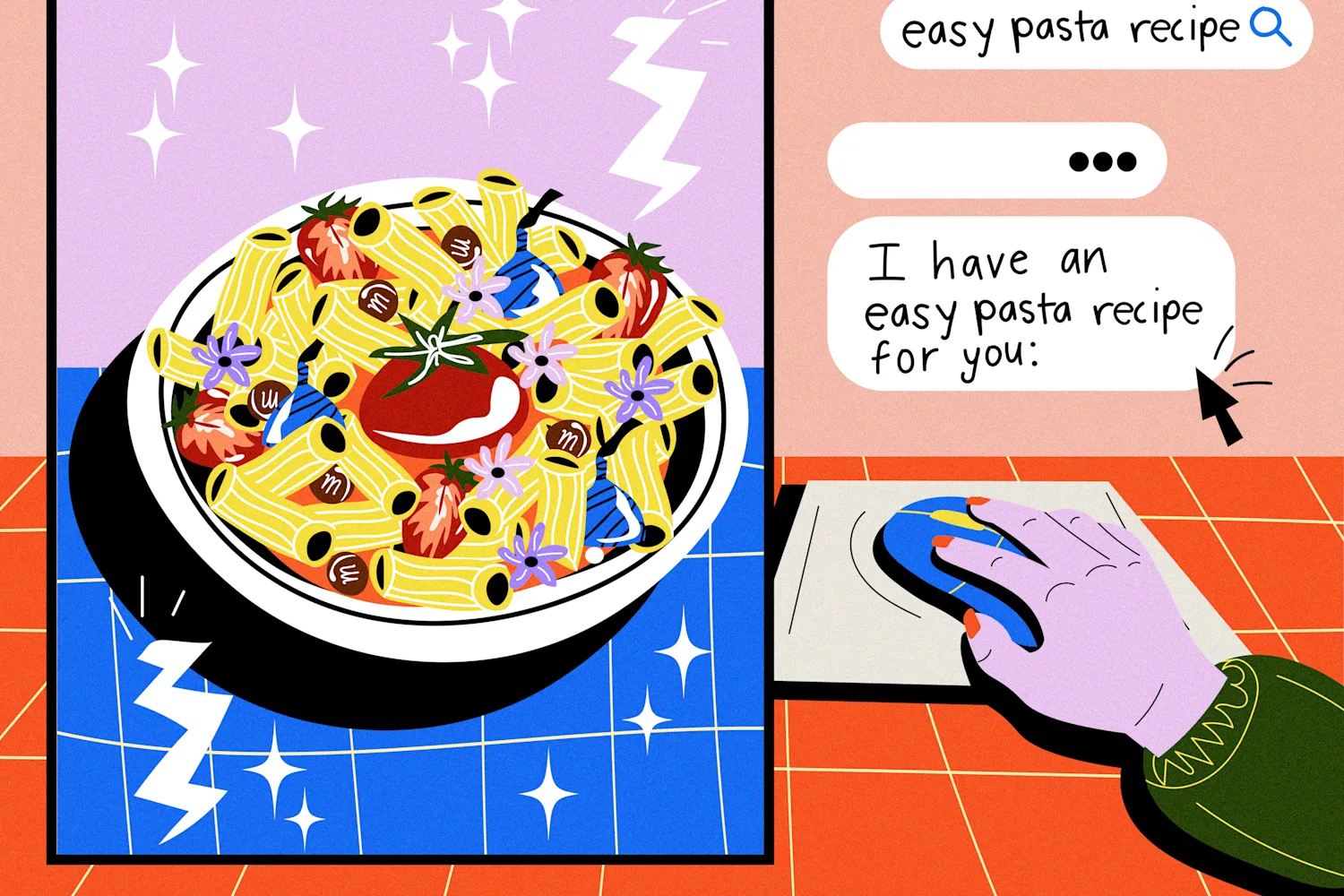
AI-generated recipes are proliferating online, and consumers increasingly use artificial intelligence tools in the kitchen without always realizing it. According to reporting from The Kitchn, people employ ChatGPT and similar AI systems for multiple cooking tasks: generating weekly meal plans, calculating nutritional content from photos of finished dishes, and creating recipes from scratch.
The widespread adoption of these tools reflects broader consumer interest in AI applications across daily life. Users have incorporated chatbots into email writing, location recommendations, and other personal tasks. In the kitchen specifically, the convenience factor appears to drive usage, with individuals relying on AI to streamline meal planning and nutritional analysis.
However, the expansion of AI-generated recipes raises questions about reliability and accuracy. The Kitchn published guidance on identifying AI recipes, suggesting consumers should develop skills to distinguish machine-generated content from recipes created by human cooks and food writers. This distinction matters because AI systems can generate plausible-sounding recipes that may contain errors, untested cooking instructions, or inaccurate ingredient ratios.
The article does not provide specific data on how many recipes currently available online are AI-generated or detail particular instances of flawed AI recipes that misled consumers. It also does not explain the specific methods readers should use to identify AI-generated content, though The Kitchn's headline promises this information.
The trend reflects both the integration of AI into everyday food preparation and emerging consumer awareness that not all online recipes have been tested by experienced cooks. As more people generate and share AI recipes without disclosure, distinguishing reliable information from machine-generated content becomes increasingly important for home cooks seeking trustworthy culinary guidance.