For too long, we've let regional preference and casual language blur an important culinary distinction. Yes, cinnamon rolls and cinnamon buns share yeasted sweet dough, butter, cinnamon, and sugar as their foundation, but to call them the same thing is to ignore the craftsmanship that sets them apart. The report makes clear that these pastries diverge meaningfully in how they're formed, finished, and ultimately experienced on the plate. It's time food lovers stopped conflating the two.
The differences begin with shaping, which speaks to intention and skill. Cinnamon roll dough is rolled into a log, sliced, and arranged in a baking dish—a straightforward approach. Cinnamon buns, meanwhile, invite creative technique: they can be twisted, knotted, or braided after filling. This isn't semantic play; it's the difference between standardized production and artisanal possibility. When a baker takes the extra step to knot or braid their dough, they're making a deliberate choice about texture, presentation, and eating experience.
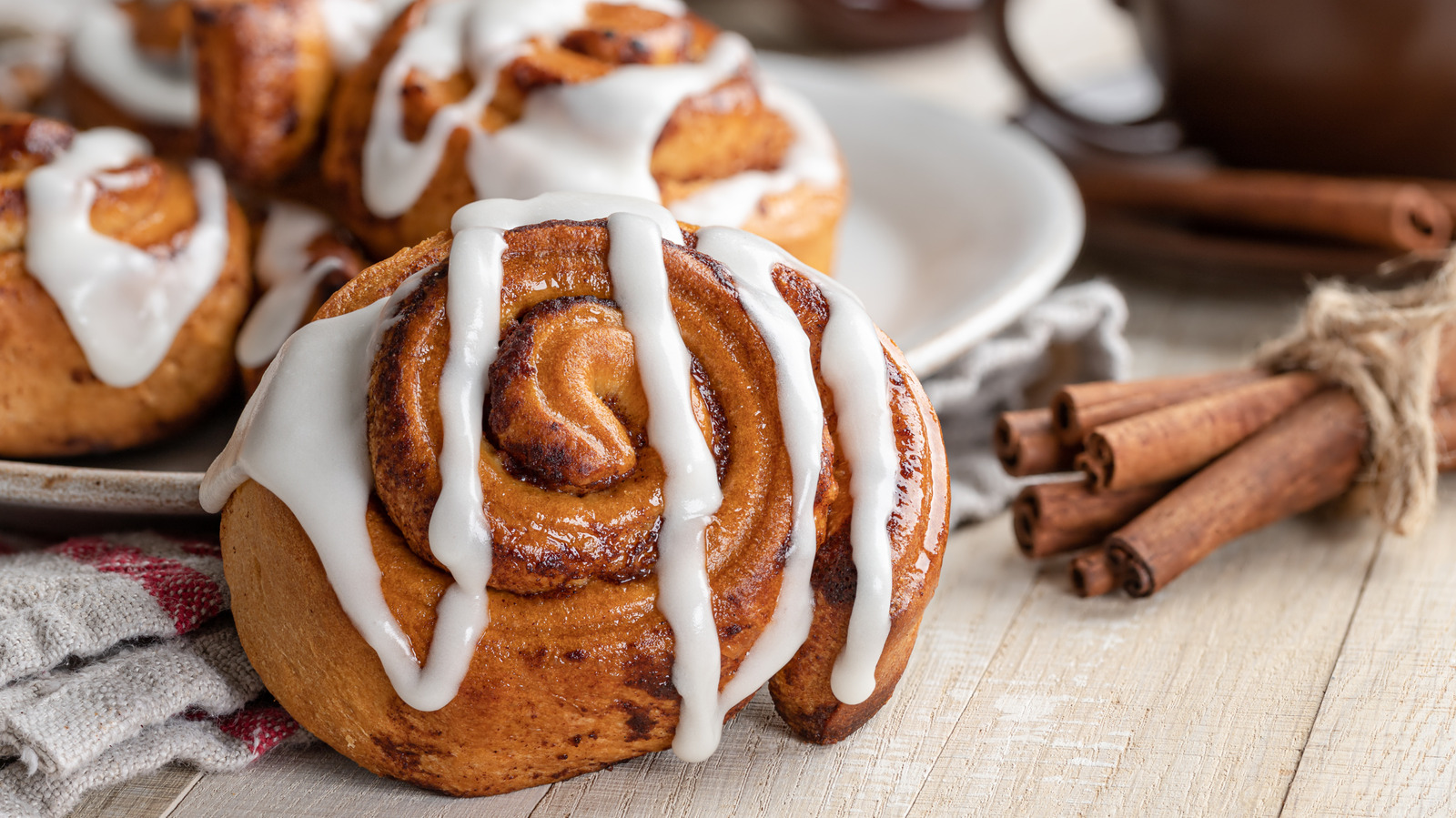
But the real divide emerges in the toppings. Some cinnamon buns are baked over brown sugar, butter, and chopped nuts like pecans, then inverted to reveal a caramelized, syrupy exterior—no icing required. Cinnamon rolls, by contrast, are typically crowned with thick cream cheese frosting or vanilla glaze. This distinction matters enormously. The bun's approach creates a sticky, textured finish; the roll's frosting adds richness and sweetness. These aren't minor variations—they're fundamentally different eating experiences.
The report also notes that thick cream cheese frosting is primarily a North American addition, while Swedish kanelbullar often feature pearl sugar instead. This historical context reveals something important: our casual conflation of these pastries erases their distinct cultural origins and evolution. Both have roots in European baking traditions, notably Swedish and German, but they developed along separate paths. Respecting these differences means respecting culinary heritage.
What should change? Food writers, bakeries, and menus must stop using these terms interchangeably. When a shop sells cinnamon rolls, they should describe the frosting. When they offer cinnamon buns, they should specify the topping. Consumers deserve clarity about what they're purchasing. Modern gourmet variations—from Dubai chocolate cinnamon rolls to versions incorporating cardamom—only underscore that these pastries are distinct categories worthy of their own identities. Let's give them the precision they deserve.