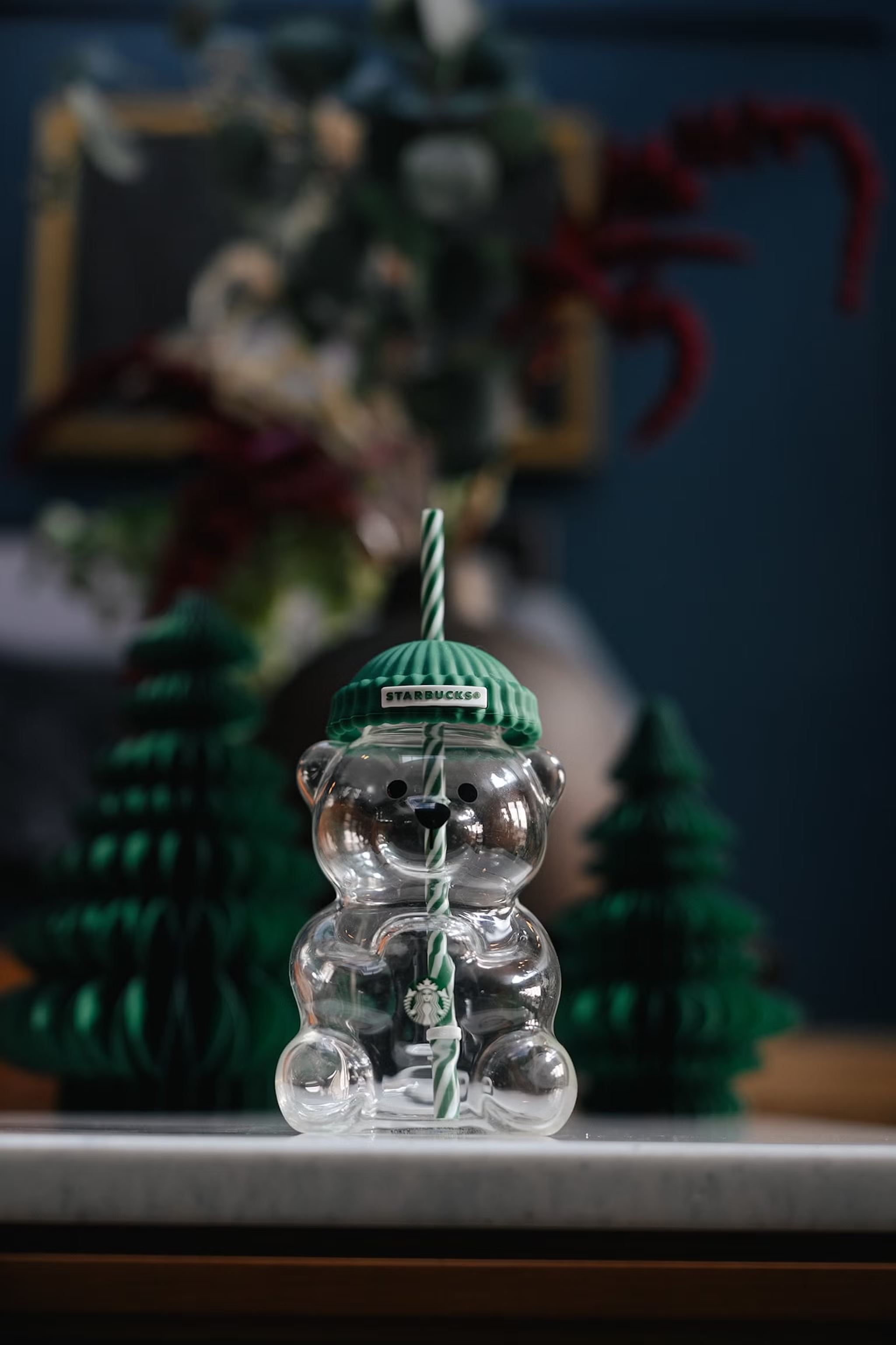
Starbucks is banking on chaos again. The Bearista Glass Cold Cup, which sparked fights in stores when it debuted late last year, is returning on December 1 at select locations while supplies last. Before that, on November 10, a surprise collection of Bearista Glass Cold Cup characters will debut in limited quantities at select locations in Glass Bearista Cold Cup Surprise Boxes. The company clearly learned nothing from the pandemonium of the first release—and frankly, neither have we.
Let's be honest about what happened. When Starbucks first launched the Bearista cup, people drove across town to stand in line for a coffee vessel. Fights broke out over it. The desperation became so intense that resellers flooded online marketplaces with astronomical prices, while others scrambled to buy affordable dupes on Amazon. This isn't a success story—it's a symptom of a broken system where a piece of merchandise inspires the kind of frenzy usually reserved for concert tickets or new technology.
The report notes that this craze has been so successful it inspired other coffee chains to create their own limited-edition cups. Dunkin' released a limited-edition eagle cup this summer for America's 250th celebrations. When competitors are copying your strategy, it's worth asking whether that strategy is actually good for consumers or just good for driving short-term sales.
Here's what should happen next: Starbucks needs to stop treating merchandise like lottery tickets. If the Bearista cup is genuinely beloved—and the evidence suggests it is—then produce enough of them. Make them available widely. Yes, limited editions have cachet, but that cachet comes at a real cost: customer frustration, secondary market exploitation, and the ugly scenes of people fighting over cups in stores. That's not brand loyalty; that's artificial scarcity creating artificial conflict.
The company has already proven the market for these cups exists. Earlier this year, Starbucks released a limited-edition pink Bearista cup as part of its Pink Drink merchandise lineup. Demand was apparently strong enough to do it again. Strong enough to inspire competitors. So why pretend supply has to be constrained? Why not give customers what they actually want without the theater of limited quantities and surprise boxes?
When merchandise releases require strategy guides and cause real-world confrontations, we've lost sight of what these cups are supposed to be—fun, collectible items that bring joy. Instead, they've become stress tests for customer patience. Starbucks should use this December 1 rerelease as an opportunity to do something radical: make enough cups so everyone who wants one can actually get one. That would be a real surprise upgrade.