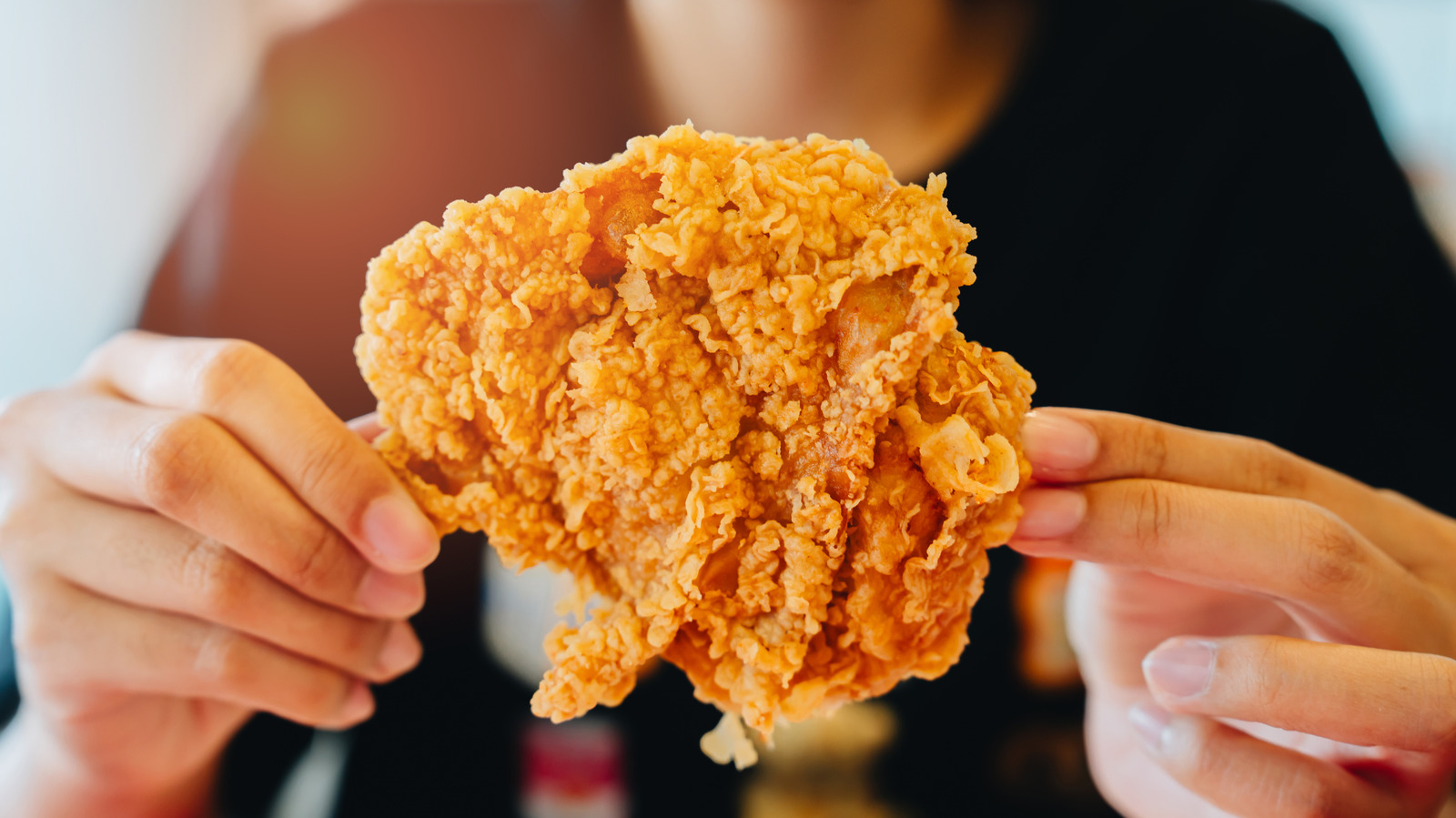
Restaurant fried chicken tastes better than homemade for a reason, and it's not magic—it's method. Raising Cane's, the Louisiana-based chicken chain that Food Republic included on its list of fast food chains with the highest-quality chicken tenders, has cracked the code, and home cooks need to pay attention. The secret isn't an exotic ingredient or an expensive piece of equipment. It's patience. The chain marinates its chicken for 24 hours, a technique that every home cook should adopt immediately if they want crispy, juicy fried chicken that rivals what they're paying for at restaurants.
Many home cooks already marinate their chicken, often giving it a quick buttermilk bath before breading and frying. But here's what changes everything: time. A full 24-hour marinade infuses the breasts, drumsticks, and thigles with flavor while the acidity in the marinade ingredients works to tenderize the meat. The result is poultry that's crispy and craggy on the outside but moist and juicy on the inside. This isn't a marginal improvement—it's the difference between disappointing homemade fried chicken and something genuinely restaurant-quality.
Yes, the 24-hour requirement demands planning. You can't decide on Tuesday night that you want fried chicken for Wednesday dinner. But this is precisely why the method works. Even Raising Cane's employees occasionally struggle with the logistics, sometimes running out of marinated chicken and having to drive to the closest location to borrow some so the restaurant doesn't have to close for the day. If a restaurant operation finds the 24-hour window challenging to manage, home cooks should view it as a feature, not a bug. Advance planning ensures better results.
While Raising Cane's recipe remains proprietary, the report offers solid guidance for creating something reasonably close. Buttermilk is essential for its lactic acid, which tenderizes proteins. Pickle juice adds garlicky, vinegary depth without overpowering the chicken. Season generously with salt, pepper, garlic powder, onion powder, paprika, and Cajun seasoning. Submerge the chicken completely in a large bowl or sealable plastic bag, and crucially, stick to exactly 24 hours—no more, as excess acidity will break down proteins too much.
There's one final trick worth implementing: after the chicken finishes its 24-hour soak, drizzle some of the marinade into your flour dredge and work it through to create craggy lumps. These will turn into crispy bits on the chicken's surface during frying. This single step elevates the texture from merely good to genuinely excellent. Home cooks have everything they need to succeed. The only question is whether they're willing to plan ahead.