# Restaurant Traffic Creates Economic Spillover Effect on Surrounding Businesses
OpenTable's latest analysis reveals that restaurant patrons generate measurable economic benefits for neighboring businesses, spending additional money in their immediate surroundings before and after dining out. The data-driven marketplace and reservation platform examined booking patterns and spending behavior across thousands of restaurants and neighborhoods, uncovering what economists call the "halo effect" of dining establishments.
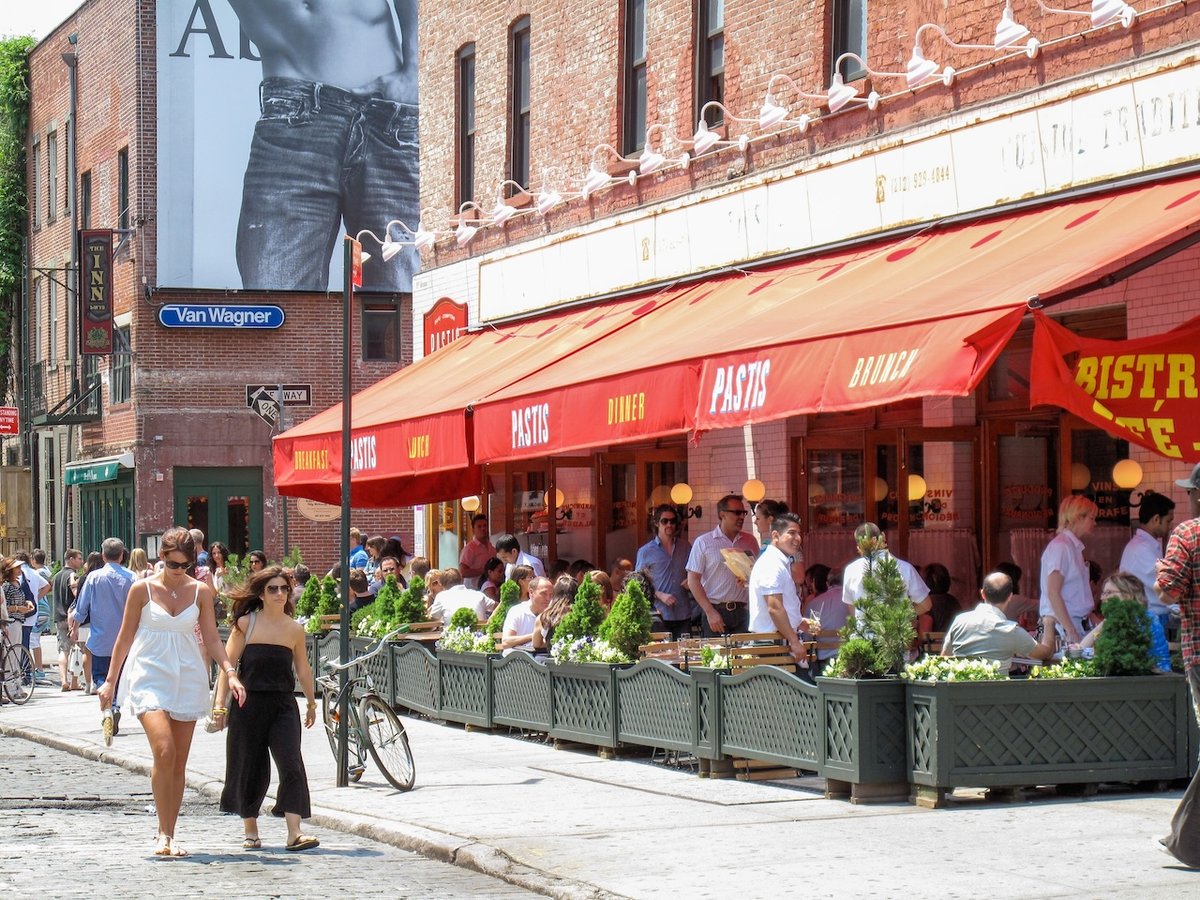
The finding carries weight for urban planners, landlords, and retail operators who compete for foot traffic in competitive commercial districts. When restaurants attract customers, those diners don't simply order entrées and leave. They shop at nearby retailers, visit bars, grab coffee, or browse boutiques. This spillover spending strengthens the viability of surrounding tenants and increases property values in the process.
OpenTable's research tracked diner behavior across multiple geographies and restaurant types. The platform analyzed reservation data alongside foot traffic metrics and transaction records from adjacent businesses. The results show consistent patterns. Restaurant neighborhoods outperform retail-only districts in total customer spend. A busy restaurant acts as an economic anchor that draws and retains customers for the entire block or shopping district.
This dynamic plays out differently depending on neighborhood density and restaurant type. Fine dining establishments in urban cores attract higher-value customers with greater disposable income to spend on ancillary purchases. Fast-casual chains in suburban areas drive volume traffic that benefits quick-service neighbors like dry cleaners and pharmacies. In both cases, the restaurant functions as a draw that justifies the journey to that specific location.
Yet OpenTable's report also flags a persistent problem: empty tables remain a structural challenge for the industry. Despite growing demand for dining experiences, restaurants across the country operate with significant unused capacity. This inefficiency represents lost revenue for restaurants and reduced spillover benefits for surrounding businesses. The gap between booked tables and total capacity persists even at popular establishments.
The causes are multifaceted. Restaurant reservation systems struggle with no-show rates and poor demand forecasting. Many diners book through multiple platforms or phones and fail to cancel duplicates. Walk-in traffic remains unpredictable. Some restaurants lack sophisticated pricing or yield management tools to encourage bookings during slow periods. Others maintain conservative reservation policies that protect against overbooking but leave tables empty on slower nights.
OpenTable positions its platform as a solution to this problem. Better reservation data, dynamic pricing, and targeted promotions could fill empty seats. When restaurants optimize occupancy, they increase their own revenue while amplifying the economic benefits for neighbors. The platform argues that restaurants that fill tables drive more customers to the street, which translates directly to higher sales for adjacent businesses.
For neighborhood commercial real estate, the takeaway is clear. A thriving restaurant presence attracts capital and sustains rental rates. Landlords who prioritize restaurant tenants create catalysts for broader economic activity. Conversely, neighborhoods with struggling restaurants face headwinds across all retail categories.
The research underscores the interconnected nature of local commerce. Restaurants don't operate in isolation. They function as anchors that shape the economic health of entire blocks and districts. Solving the empty table problem benefits not just restaurant owners but every business competing for local consumer spending.