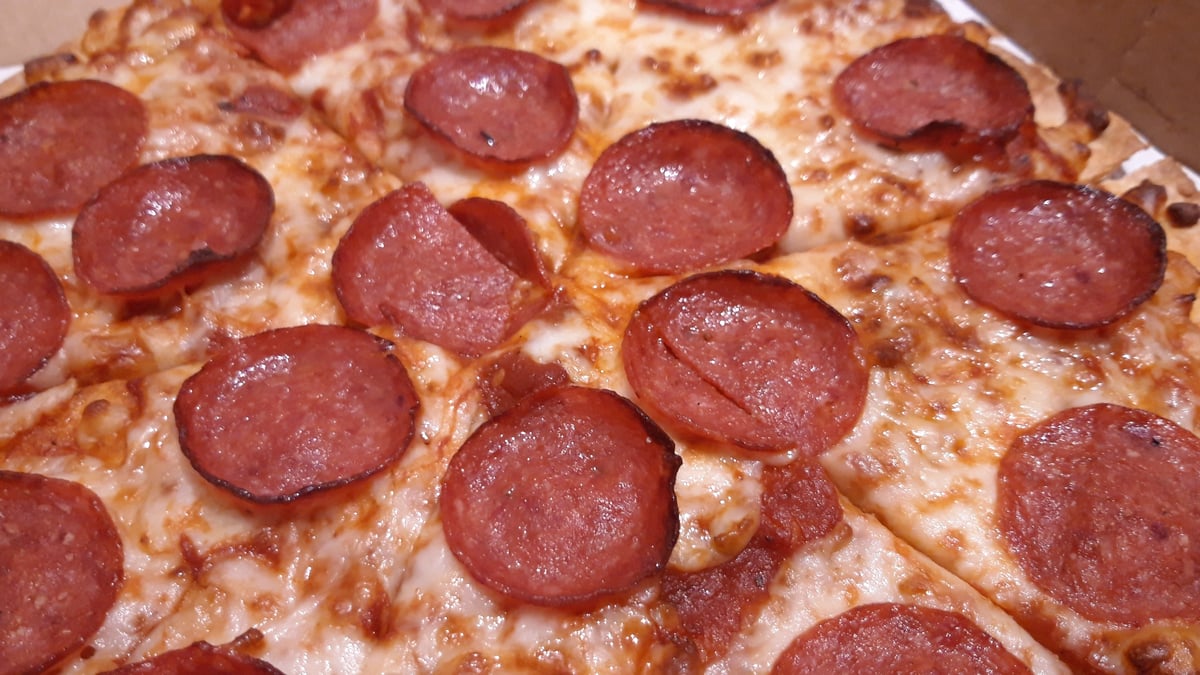
Domino's Rewards program delivers the fastest route to a free pizza, landing it atop a new value analysis from The Points Guy. The pizza chain's loyalty structure requires fewer purchases and less spending than competitors to unlock a complimentary item, making it the most efficient entry point for casual diners seeking immediate rewards.
The report examined how major restaurant chains structure their loyalty programs, measuring the real cost and effort required to earn a first free meal or significant discount. Domino's emerged as the winner for raw speed and accessibility. Customers accumulate points with each order, and the threshold to redeem a free item arrives sooner than at Chipotle, Panera Bread, McDonald's, or other tested chains.
This matters because restaurant loyalty programs have become battlegrounds for customer retention in an industry facing tightening margins and intense competition. Quick-service and casual dining brands use rewards to lock in repeat visits, collect data on ordering patterns, and justify premium pricing by offering perceived value. Domino's approach prioritizes accessibility over exclusivity, betting that getting customers their first freebie quickly creates momentum for long-term engagement.
Yet cheap doesn't mean best. The Points Guy analysis notes that frequency of use, redemption flexibility, and bonus point opportunities separate truly valuable programs from those offering mere breadcrumbs. Some chains offer tiered benefits, seasonal multipliers, or exclusive perks for members that accumulate real value over time, even if the first free item takes longer to earn.
Domino's strategy reflects the pizza chain's broader market positioning. As the largest pizza delivery company globally, Domino's relies on volume and convenience rather than premium positioning. Its loyalty program mirrors this philosophy. Quick rewards encourage experimentation and repeat orders from price-sensitive customers, the core demographic for delivery pizza. The company has invested heavily in digital ordering and personalization, so loyalty data feeds directly into their technology infrastructure and marketing engine.
The competitive landscape matters here. Pizza delivery sees brutal competition from independent pizzerias, regional chains, and increasingly from ghost kitchens and delivery-aggregator platforms. Loyalty programs function as a moat, keeping customers ordering directly through Domino's app rather than browsing competitors on DoorDash or Uber Eats.
That said, raw speed to the first reward tells only part of the story. Sophisticated diners tracking points across multiple programs may find better long-term value elsewhere. A program requiring more upfront spending but offering 50-percent-off redemptions, for example, outpaces one delivering a smaller free item quickly. Mobile integration, bonus promotional periods, and partnerships with other brands also influence real-world value.
The Points Guy report arrives as restaurants grapple with customer acquisition costs climbing and inflation pressuring consumer spending. Loyalty programs have shifted from nice-to-have perks to essential retention tools. Chains that nail the psychology of quick wins, like Domino's does, may capture market share from those asking customers to wait longer for rewards. The data supports what the pizza chain has long understood: make people win fast, and they'll keep coming back.