# Fast Food's Corporate Shuffle: How QSR Giants Navigate Brand Consolidation and Category Competition
The restaurant industry's consolidation wave continues reshaping how consumers encounter their favorite brands. Nation's Restaurant News' Restaurant Daily podcast highlights how major players like Taco Bell and Pepsi, alongside Bojangles, are navigating an increasingly fragmented quick-service landscape dominated by category-specific competition.
Taco Bell's relationship with PepsiCo remains central to how the chain executes its beverage strategy and co-marketing initiatives. As an owned subsidiary of PepsiCo since 1978, Taco Bell benefits from deep supply chain coordination and promotional synergies that independent competitors cannot match. The pairing drives menu innovation around fountain drinks, limited-time beverages, and cross-promotional campaigns that leverage PepsiCo's global brand portfolio. This vertical integration model has become standard for major fast-food operators seeking operational efficiency.
Bojangles represents a different trajectory. The chicken-focused chain has pursued aggressive expansion across the Southeast and beyond, competing directly in the rapidly consolidating fried chicken segment where KFC, Popeyes, and Chick-fil-A dominate. Bojangles' differentiation strategy centers on its regional identity and loyal customer base, positioning the brand as a hometown favorite rather than a corporate monolith. The chain's growth strategy involves selective franchising and limited menu innovation focused on its core biscuit and chicken offerings.
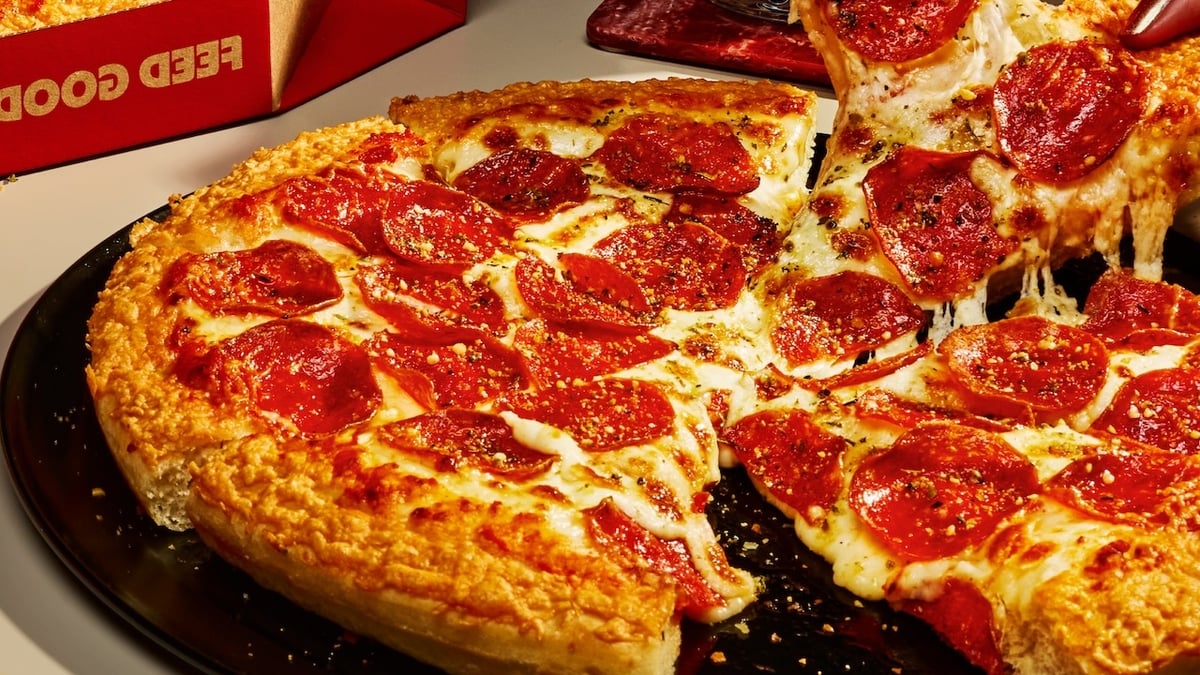
The pizza segment referenced in the headline underscores broader category competition reshaping QSR economics. Domino's, Pizza Hut, and Little Caesars operate in a market segment facing structural headwinds from labor costs, real estate expenses, and changing consumer preferences favoring delivery-optimized menus. Pizza chains increasingly compete on delivery speed and technology rather than product differentiation alone.
These corporate movements reveal how modern quick-service restaurants operate within larger ecosystem constraints. Taco Bell's PepsiCo ownership enables sophisticated supply chain management and beverage partnerships impossible for independent operators. Bojangles' success depends on maintaining regional relevance while scaling nationally. Pizza chains must navigate a profitability squeeze that forces menu streamlining and automation investment.
The podcast format itself reflects how industry news travels in 2024. Daily briefings compress complex narratives around mergers, franchising patterns, and competitive positioning into digestible segments. Restaurant operators and investors tune in for real-time intelligence on category performance, labor market shifts, and consumer spending trends.
What emerges from tracking Taco Bell, Bojangles, and pizza operators simultaneously is a portrait of an industry bifurcating into two categories: scaled corporate behemoths with deep pockets for technology and marketing investments, and regional specialists doubling down on authentic positioning and community connection. The middle ground shrinks as unit economics tighten across all segments.