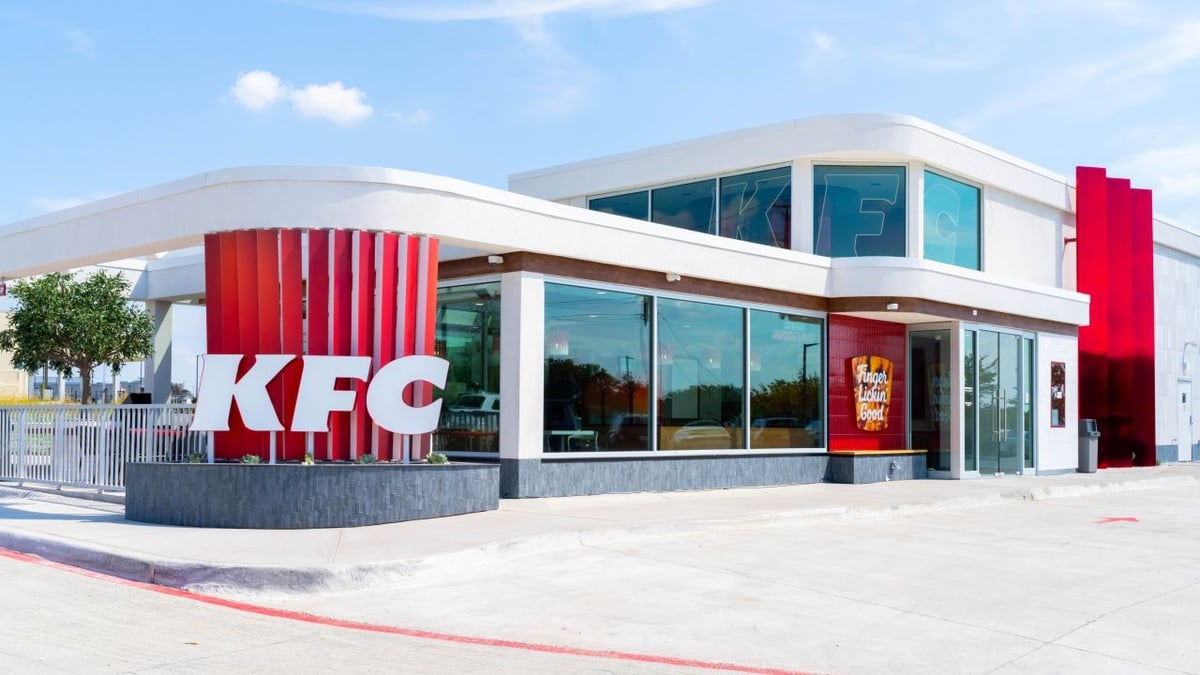
# KFC Tests Dallas Prototype to Revive U.S. Presence with "Open House" Concept
KFC has opened an experimental restaurant prototype outside Dallas designed to serve as the testing ground for the chain's American revival strategy. The "Open House" location functions as a learning laboratory, allowing the chicken chain to experiment with operational models, kitchen layouts, and customer experience elements before rolling changes across its U.S. franchise network.
The prototype represents a deliberate pivot for KFC, which has struggled to maintain relevance in the competitive fast-casual and quick-service segments. The Dallas-area location enables KFC to gather real-world data on consumer preferences, staffing efficiency, and kitchen productivity without the risk of disrupting existing restaurants. This approach mirrors strategies used by competitors including McDonald's and Chipotle, which have deployed similar testing facilities to refine concepts before broader implementation.
Details about the specific innovations being tested at the Open House location remain limited, but industry observers expect KFC to focus on modernizing its kitchen infrastructure and streamlining its operational footprint. The chain has faced persistent challenges around speed of service and labor efficiency, particularly as ghost kitchens and delivery-focused competitors have reshaped consumer expectations around chicken offerings.
KFC operates roughly 4,000 locations in the United States, down from its historical peak. The chain has attempted several turnaround efforts in recent years, including menu innovations and restaurant redesigns, with mixed results. Parent company Yum! Brands, which also owns Taco Bell and Pizza Hut, views KFC's U.S. recovery as essential to its growth targets, particularly as international markets show stronger performance.
The prototype kitchen likely incorporates lessons from KFC's successful international operations, where the brand maintains stronger market positions in markets like China and India. Executives have studied why KFC performs better outside the U.S., where the brand often operates as a premium casual-dining option rather than pure quick-service.
The Open House model gives KFC flexibility to test everything from equipment changes to menu presentation without the operational complexity of retrofitting thousands of existing franchises simultaneously. If successful experiments prove transferable, KFC could begin rolling out approved innovations to franchise partners, though adoption rates among independent operators often create implementation challenges.
The Dallas prototype timing coincides with broader industry trends toward restaurant transparency and kitchen visibility. Modern consumers increasingly want to see food preparation, and many new restaurant concepts feature open kitchens as a design centerpiece. KFC's testing could reveal whether this visibility approach resonates with its core customer base or attracts new demographics.
Success at the Open House location could accelerate KFC's return to growth in its largest market. The U.S. chicken category remains robust, with competitors including Popeyes and Chick-fil-A capturing share through aggressive expansion and marketing. KFC's prototype strategy suggests the chain recognizes that incremental improvements alone won't reverse its domestic momentum, requiring instead systematic reimagination of how it operates.