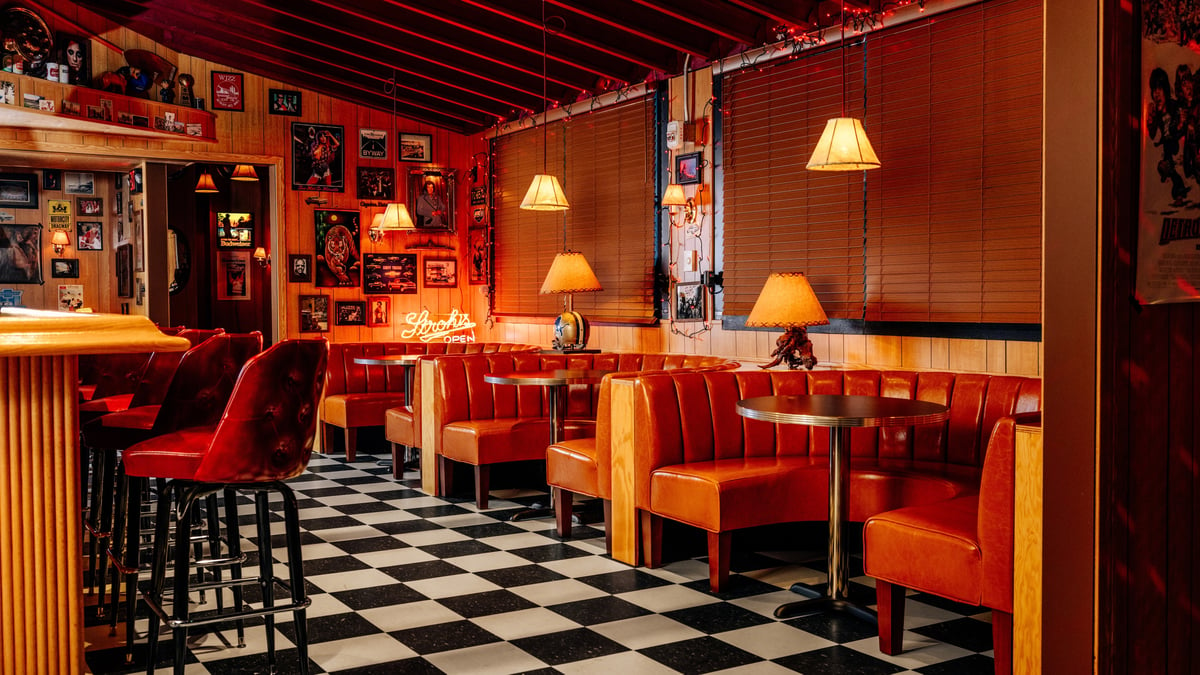
# Ray's Hometown Bar Plants Its Flag in Detroit
Ray's Hometown Bar, the New York institution known for its casual, unpretentious approach to drinking and eating, has opened its first location outside the city at a new Detroit outpost. The expansion represents a significant partnership between Authentic Hospitality, the group behind Ray's, and NoHo Hospitality Group, a Detroit-based operator with deep roots in the Motor City's restaurant scene.
The collaboration marks a turning point for Ray's, which has built its reputation in Manhattan through straightforward hospitality and no-frills execution. The bar trades on a philosophy that rejects unnecessary complexity. Customers come for honest drinks, uncomplicated food, and the kind of service that feels like walking into a neighborhood spot where regulars matter more than Instagram aesthetics.
NoHo Hospitality Group brings operating expertise and local knowledge critical for success in Detroit. The group has established itself as a serious player in the city's food and beverage revival, understanding both the neighborhoods where customers live and the standards they expect. Pairing a New York concept with Detroit operational experience reduces the typical friction that kills out-of-market restaurant expansions.
Detroit's dining and drinking scene has undergone a remarkable transformation over the past decade. Neighborhoods like Corktown, Downtown, and Midtown have attracted chef-driven restaurants, craft cocktail bars, and casual concepts that rival established scenes in other major cities. The city's food renaissance reflects broader economic recovery and younger populations moving into revitalized neighborhoods seeking authentic gathering spaces.
Ray's arrival signals confidence in Detroit's stability as a dining destination. New York restaurants rarely venture beyond the city without careful consideration. The decision to partner with NoHo rather than operate independently shows Ray's and Authentic Hospitality recognize the importance of local operation knowledge. This approach differs sharply from chains that impose identical menus and systems regardless of market differences.
The specifics of Ray's Detroit menu and drink program remain somewhat unclear from available information, but the brand's core identity should translate well. Ray's succeeds by doing familiar things with care. A solid burger, a well-mixed martini, and staff who know how to make guests feel welcome require no adaptation for regional tastes. These fundamentals work everywhere.
For Detroit's hospitality community, Ray's arrival brings a credible outside voice validating the city's restaurant maturity. National recognition matters in building perception. When established New York operators choose your city for expansion, it signals to investors, diners, and other restaurant groups that serious money and serious concepts belong there.
The partnership between Authentic Hospitality and NoHo Hospitality Group itself deserves attention. Rather than Ray's imposing control from New York, this structure allows local operators to shape execution while maintaining the brand's essential character. This model may offer a template for how established restaurant groups from major cities can expand responsibly into growing markets without flattening regional identity.