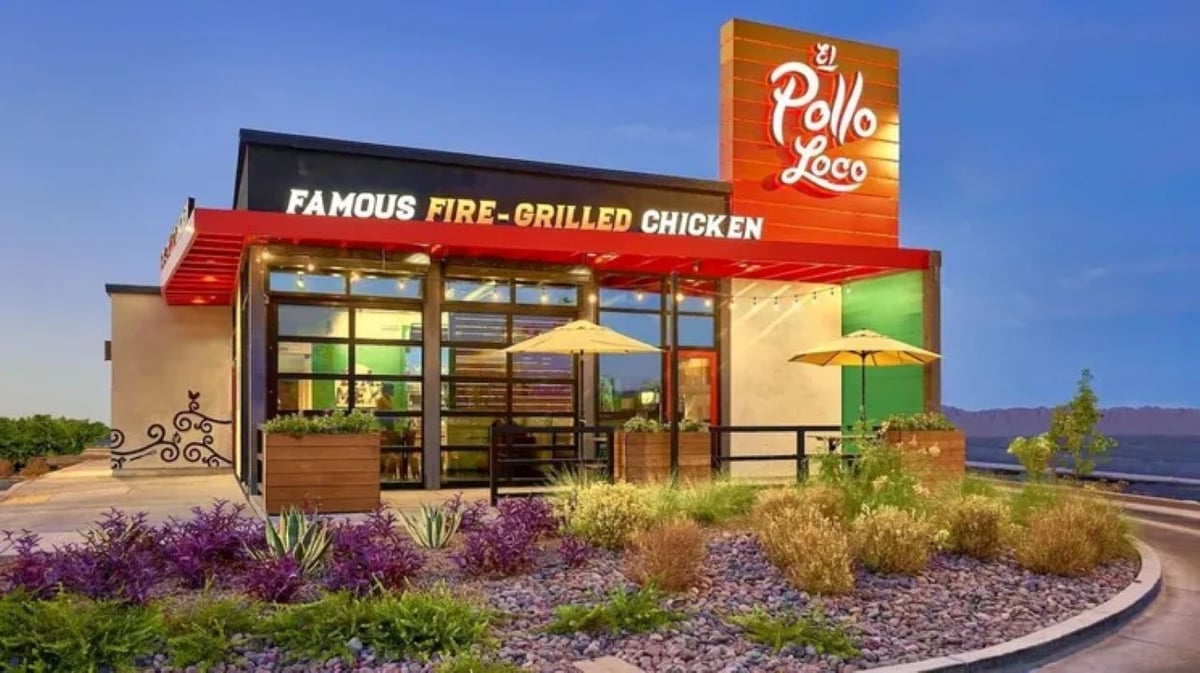
El Pollo Loco, the flame-grilled chicken chain that pioneered fast-casual Mexican dining across the West, is bringing its expansion strategy to New York with three development agreements targeting 15 new locations over the next five years.
The Los Angeles-based chain, founded in 1975 by Noe Gonzalez, has built its reputation on chargrilled pollo a la plancha (grilled chicken prepared over an open flame) served with fresh Mexican sides like cilantro-lime rice, black beans, and handmade tortillas. The approach has proven resilient through economic cycles and competitive pressures, establishing El Pollo Loco as a category leader in the $3 billion fast-casual Mexican segment.
New York represents a significant strategic push for the chain. The company currently operates roughly 200 locations, concentrated heavily in California, Arizona, Texas, and a handful of other Western states. The Northeast has remained largely untapped territory. Three development partners will shoulder the responsibility for rolling out these 15 restaurants, spreading the financial and operational risk across experienced franchisees familiar with the New York market dynamics. This phased approach, targeting five years for completion, suggests the chain recognizes the complexity of breaking into a region saturated with established Mexican concepts and deeply entrenched fast-casual operators.
The timing reflects broader industry trends. Post-pandemic, consumers have gravitated toward fast-casual chains offering customizable protein bowls and transparent sourcing. El Pollo Loco's core strength lies in its proprietary grilling method and vertical integration of chicken sourcing, which the company can market as quality control in a market increasingly skeptical of mass-produced quick-service offerings. New York's demographic profile—affluent neighborhoods with disposable income and strong interest in authentic Latino cuisine—aligns with El Pollo Loco's target customer.
The chain faces real competition in New York. Chipotle Mexican Grill operates hundreds of locations across the city, with pricing power that El Pollo Loco must acknowledge. Regional players like Sweetgreen and local Mexican concepts also command loyalty. However, El Pollo Loco differentiates itself through its flame-grilling technique, which remains difficult to replicate at scale. The presentation of whole grilled chicken portions, visible in service lines, creates theater and perceived authenticity that bowl-based competitors struggle to match.
Expansion in New York also signals confidence in the chain's financial stability and growth trajectory. Public companies typically signal Northeast expansion only after validating unit economics in core markets. The move suggests that El Pollo Loco's corporate leadership believes the model can absorb higher real estate costs, labor expenses, and competitive intensity in major East Coast metros without sacrificing profitability.
The next five years will reveal whether El Pollo Loco can replicate its Western success in an unfamiliar region. Success hinges on finding the right real estate (street-level visibility matters for fast-casual traffic), training local staff in the chain's grilling protocols, and introducing New York consumers to a brand many have never encountered. The chain must also navigate supply chains for fresh ingredients in a region where logistics differ dramatically from Southern California or Arizona operations.
If these 15 locations perform as projected, expect El Pollo Loco to announce additional development agreements in Boston, Philadelphia, and Washington D.C. The Northeast represents the final frontier for West Coast fast-casual chains seeking national scale.