# Major Fast-Casual Giants Face Shifting Dynamics as Industry Navigates New Era
Starbucks, Chipotle, and TGI Friday's dominate the current restaurant news cycle, reflecting broader tensions reshaping the quick-service and casual-dining landscape across America.
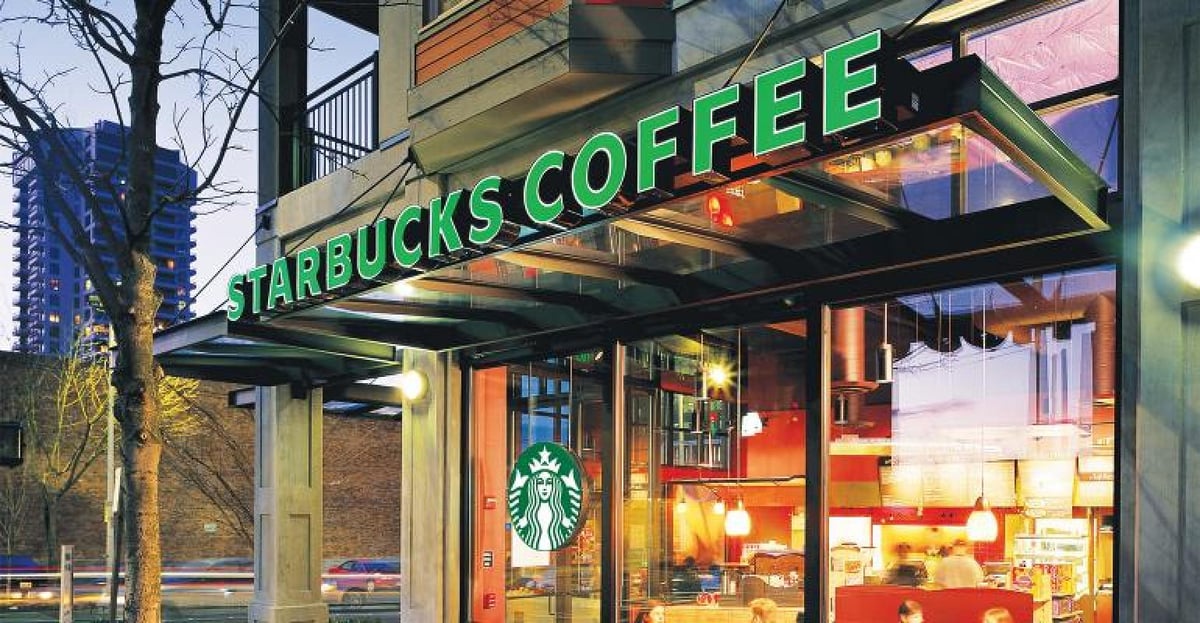
Starbucks continues grappling with operational challenges and leadership transitions. The coffee chain, which pioneered the third-place concept and commands roughly 16,000 U.S. locations, faces mounting pressure from unionization efforts, labor costs, and competition from both independent coffee shops and convenience stores. CEO changes and strategic pivots signal the company's effort to recalibrate its growth model while maintaining premium positioning. Store traffic and same-store sales metrics have become closely watched indicators of consumer spending patterns during economic uncertainty.
Chipotle operates from a position of relative strength within the fast-casual sector. The burrito-bowl chain expanded rapidly across North America and demonstrated pricing power by passing costs to customers while maintaining demand. Supply-chain resilience and menu simplification have allowed Chipotle to scale operations more efficiently than competitors. Yet the chain faces ongoing food-safety vigilance and labor disputes, particularly around wage standards and working conditions in its high-volume kitchens.
TGI Friday's represents a different challenge entirely. The casual-dining concept, which built its brand around flair-wearing servers and boozy appetizers, embodies the struggles facing full-service restaurants in the post-pandemic world. Rising labor costs, declining foot traffic to shopping malls and suburban locations, and shifting consumer preferences toward faster, more casual formats have pressured TGI Friday's profitability. The chain has explored restructuring, franchising models, and menu innovation to compete against both fast-casual competitors and elevated casual-dining concepts.
These three brands reflect divergent trajectories within restaurant segments. Limited-service concepts like Starbucks and Chipotle benefit from operational efficiency and speed but face labor-cost inflation and commodity pricing volatility. Full-service casual chains like TGI Friday's contend with higher labor expenses and real estate obligations that limit flexibility.
The broader narrative centers on consumer behavior reshaping competitive advantage. Affluent customers increasingly favor premium fast-casual formats and specialty coffee shops over mid-market casual dining. Middle-market consumers trade down toward value-oriented QSR concepts. Labor availability and wage expectations have tightened margins across all segments.
Supply-chain stabilization, technology adoption for drive-through and delivery optimization, and menu innovation represent survival strategies across all three models. Starbucks invests in digital ordering and pickup; Chipotle emphasizes kitchen automation and throughput; TGI Friday's seeks to reposition through franchise partnerships and simplified operations.
These headlines underscore that the restaurant industry remains in transition. No single format dominates. Success requires operational discipline, labor management sophistication, and responsiveness to fragmented consumer demand. The stakes remain high for chains commanding thousands of units and hundreds of thousands of employees.