# Restaurant Tech Leaders Push for Task Automation, Not Experience Replacement
Restaurant technology is at an inflection point. As chains like 7 Brew and Smoothie King race to integrate artificial intelligence into operations, a critical debate has emerged: automation should target repetitive tasks, not the human interactions that define hospitality.
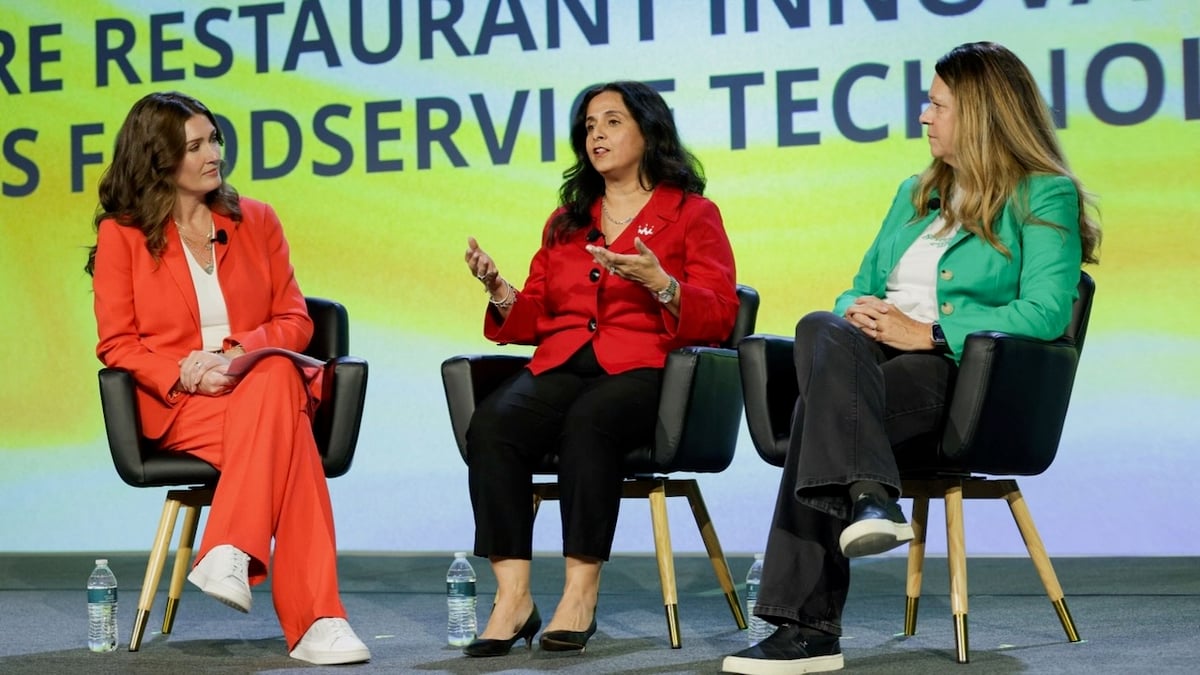
This philosophy comes directly from female technology leaders steering innovation at two major chains. Their approach reflects a growing maturity in how restaurants think about AI, moving beyond the hype of fully autonomous kitchens toward practical systems that remove friction while preserving the personal touch customers expect.
At 7 Brew, the coffee chain known for its specialty cold brews and drive-through speed, leadership has invested in AI that handles inventory forecasting and supply chain logistics. These systems predict demand patterns across locations, reducing waste and ensuring consistent product availability. The human baristas remain front and center, crafting drinks and engaging with customers. The technology works invisibly in the background, freeing staff from spreadsheet management and order errors.
Smoothie King, the 40-year-old smoothie chain with 1,000+ locations nationwide, has similarly embraced task-based automation. Their systems optimize labor scheduling, analyze customer purchase patterns, and streamline backend operations. Again, the franchise model preserves the hands-on experience. Workers still blend, serve, and interact with guests. AI handles the administrative overhead that slows decisions and wastes payroll hours.
The distinction matters enormously. Full automation of customer-facing roles risks eroding what makes restaurants work: human connection, problem-solving flexibility, and the ability to make someone's day better. A barista who knows your order builds loyalty. A smoothie shop worker who remembers you're training for a race adds value. These moments cannot be automated without cost.
What restaurants can automate effectively: scheduling complexity, forecasting error, compliance tracking, equipment maintenance alerts, and data analysis paralysis. These tasks consume hours but create no customer value. They're the friction points that frustrate both operators and staff.
The leaders guiding this work understand a hard truth. Restaurants operate on thin margins. Labor typically consumes 25 to 35 percent of revenue. Poor scheduling costs money through overtime and turnover. Supply chain mistakes spoil inventory and disappoint customers. But solving these problems with better process and smarter data beats replacing people.
This positioning also addresses recruitment and retention. Restaurant work carries stigma and burnout risk. When AI handles tedious backend work, employees focus on tasks that matter: creating food, serving guests, solving problems. Higher job satisfaction translates to lower turnover and better service quality.
The 7 Brew and Smoothie King model suggests a broader industry trajectory. Rather than chasing headlines with robot arms and fully autonomous kitchens, smart operators are choosing pragmatism. They're asking which tasks waste the most time and create the least value, then automating those first.
This approach requires different leadership and different vendors than the hype cycle suggests. It rewards deep operational knowledge over flashy demos. It requires conversations with frontline staff about what actually frustrates them. It means patience building systems that integrate cleanly with existing workflows rather than demanding complete overhauls.
The restaurants winning with technology aren't racing to eliminate workers. They're racing to eliminate the work that makes jobs worse, freeing people to do what humans do best: connect, create, and care.