# Grubhub Pivots to Physical Dining with New Rewards Program
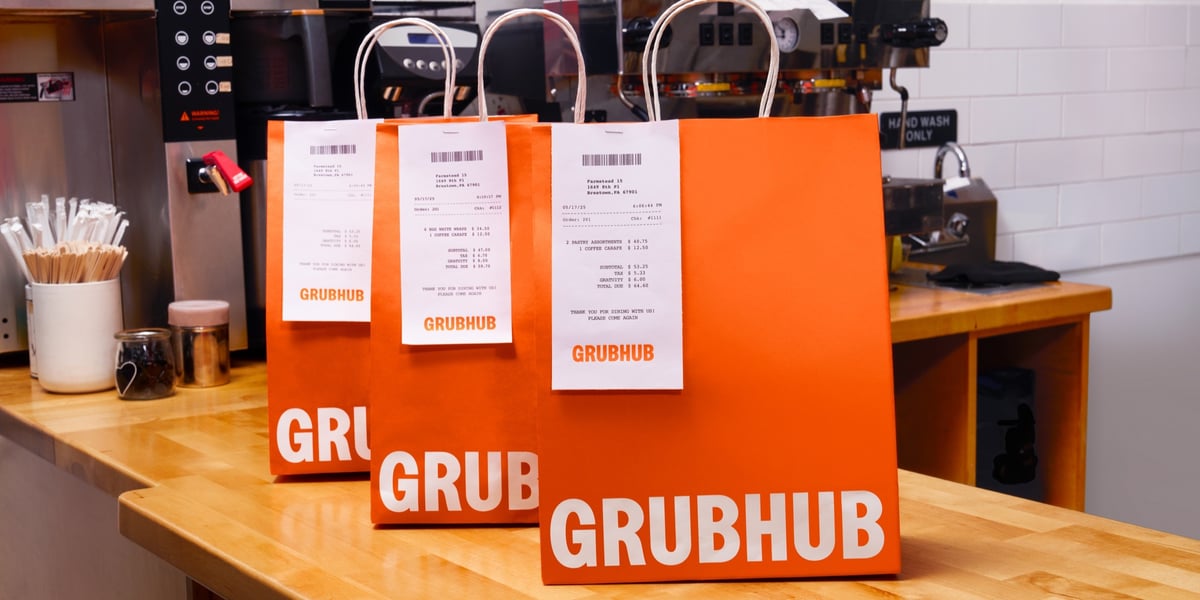
Grubhub has officially entered the dine-in business. The delivery giant launched "The Drop," a new rewards program that credits customers when they eat inside participating restaurants. Members earn Grubhub credits on their purchases, which they can redeem for future orders. New offers rotate weekly, creating recurring incentives to return.
This marks a sharp strategic shift for a company built on delivery convenience. Grubhub joins competitors like DoorDash and Uber Eats in recognizing that food delivery alone cannot sustain growth. Restaurant margins on delivery orders run thin, commission fees are under constant pressure, and customer acquisition costs keep climbing. Dine-in programs offer a different path. They drive foot traffic to physical locations, increase average check size, and create loyalty without relying on the delivery logistics that squeeze restaurant profits.
The Drop targets restaurants eager to fill seats and compete with established loyalty programs. Independent restaurants and regional chains lack the resources of McDonald's or Starbucks to build proprietary apps and loyalty infrastructure. Grubhub's platform gives them access to its existing customer base of millions while handling the technical backend. Participating restaurants benefit from impulse dining and new customer discovery.
For customers, the calculus is straightforward. Free credits incentivize trial and repeat visits. The weekly rotation forces engagement, pushing users to open the app regularly and browse available offers. This behavior mirrors how Grubhub already operates in delivery, where scarcity and time-limited deals drive ordering frequency.
The program addresses a real market gap. Third-party delivery platforms have dominated the casual dining ecosystem for years, but dine-in frequency has remained fragmented. Restaurants manage separate loyalty programs through Toast, Square, or custom apps, fragmenting customer data and marketing reach. Grubhub now consolidates that opportunity. A user ordering delivery on Tuesday might dine in at a participating restaurant on Friday, all within the same ecosystem. That unified customer view has enormous advertising value.
However, The Drop faces real obstacles. Restaurant participation depends on volume and deal economics. Grubhub's take rate model may not appeal to restaurants already struggling with delivery commissions. Further, dine-in rewards only work at locations with existing Grubhub presence and integration capability. Small neighborhood restaurants without sophisticated POS systems may struggle to participate.
Consumer adoption presents another challenge. Delivery users and dine-in customers are not identical personas. Delivery skews toward busy professionals and households avoiding cooking. Dine-in rewards attract different segments seeking social dining or avoiding delivery markup fees. Grubhub must convince delivery-first users to step off the app and into restaurants.
The timing matters too. Post-pandemic restaurant traffic has stabilized, but labor costs and ingredient prices remain elevated. Restaurants need incremental customers, not promotions that cannibalize full-price sales. The Drop succeeds only if it drives truly new visits, not discounts on orders that would happen anyway.
Grubhub's parent company Just Eat Takeaway has invested heavily in restaurant partnerships and technology over the past three years. The Drop represents the next evolution of that strategy. Success here unlocks opportunities in catering, corporate dining, and loyalty analytics. Failure means Grubhub remains dependent on delivery, where competition erodes margins quarterly.