# Fast Food Giants Race Forward With New Technologies and Record Profits
KFC, McDonald's, and Darden Restaurants are charting divergent paths through an increasingly complex restaurant landscape, each deploying distinct strategies to capture consumer spending and operational efficiency.
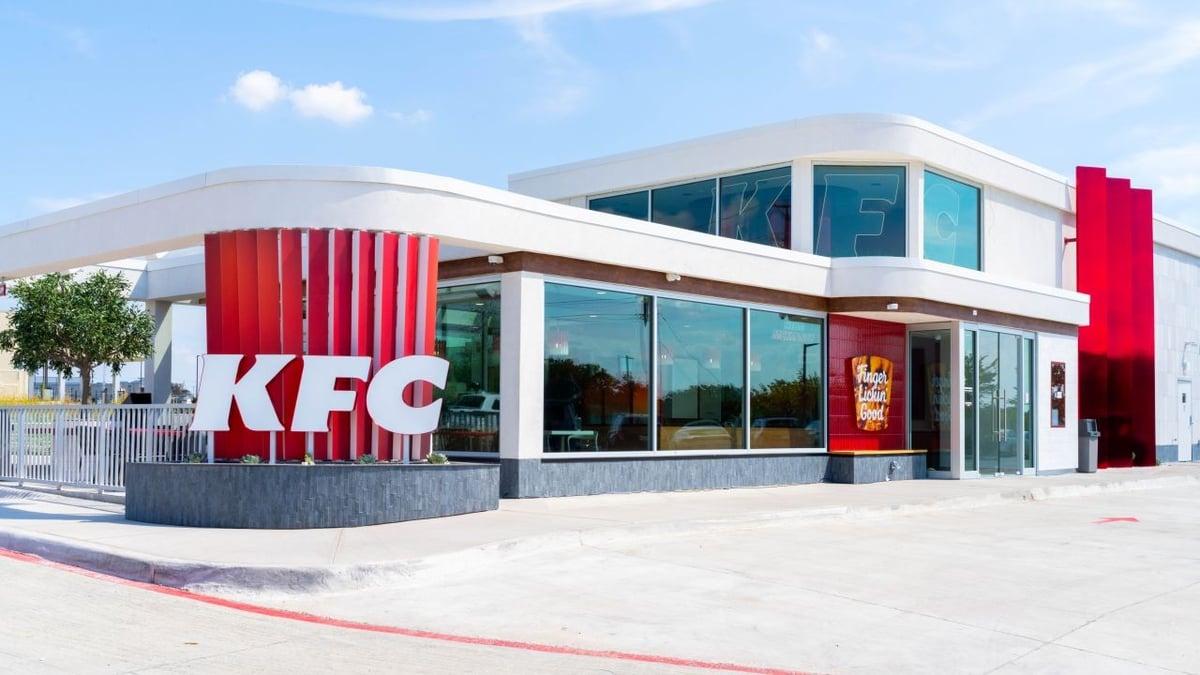
KFC has unveiled a new prototype restaurant designed to streamline its operations and modernize the customer experience. The prototype reflects the chain's push toward technological integration in its kitchens and ordering systems. This move comes as quick-service restaurants face mounting pressure to reduce labor costs while maintaining service speed. The prototype's specific features remain closely guarded, but industry observers anticipate innovations in kitchen automation and digital ordering capabilities that could set a template for KFC's future locations. The chain operates over 27,000 restaurants globally, making any operational shift potentially transformative for the broader quick-service segment.
McDonald's has launched what the company describes as a massive initiative to reshape its business model. While specific details have not been fully disclosed, the push aligns with McDonald's broader strategy to enhance its digital ordering infrastructure, expand delivery partnerships, and accelerate its owned-and-operated restaurant footprint. The burger giant has been investing heavily in technology across its system, from mobile app improvements to artificial intelligence-driven drive-through operations. McDonald's controls roughly 13,000 locations worldwide and generates enormous influence over industry trends. Any major McDonald's initiative typically ripples through franchisee networks and competitor strategy sessions within weeks.
Darden Restaurants, the powerhouse behind Olive Garden, LongHorn Steakhouse, and Cheddar's Scratch Kitchen, reported impressive financial results that underscored the casual dining segment's resilience. Darden operates approximately 1,900 restaurants across multiple concepts, giving the company unmatched scale in the casual segment. Strong same-store sales growth and menu innovation drove the positive performance. Darden's success comes despite inflationary pressures on food and labor costs that have challenged the entire industry. The company's ability to navigate these headwinds while maintaining profitability signals that casual dining, far from obsolete, continues to adapt and thrive.
Cracker Barrel Old Country Store showed more modest recent performance metrics. The chain, known for its rustic aesthetic and country-store merchandise, faces competitive pressures from both quick-service growth and casual dining stalwarts. Cracker Barrel operates roughly 660 locations across the United States and has pursued store renovations and menu updates to maintain relevance with younger demographics.
These developments reflect a restaurant industry in active transformation. Technology investments dominate conversation at corporate headquarters, with automation, data analytics, and digital ordering becoming table stakes rather than competitive advantages. Profitability pressures have forced chains to choose between aggressive innovation, operational efficiency, or niche positioning. McDonald's and KFC lean heavily into technological disruption. Darden emphasizes brand portfolio diversity and operational excellence. Cracker Barrel pursues incremental modernization. The consumer benefits from faster ordering, wider delivery options, and restaurants willing to experiment with new formats. The stakes remain elevated for restaurant operators competing for dwindling foot traffic and consumer discretionary spending.