# California Pizza Kitchen's Four-Decade Strategy Still Defines How America Eats Pizza
Rick Rosenfield built California Pizza Kitchen into a cultural force by rejecting the rulebook. Founded in the 1980s, CPK entered a market dominated by traditional Italian pizza joints and national chains that treated pizza as commodity food. Rosenfield and his co-founders chose a different path: they made pizza a vehicle for California's ingredient-driven, chef-forward cooking philosophy.
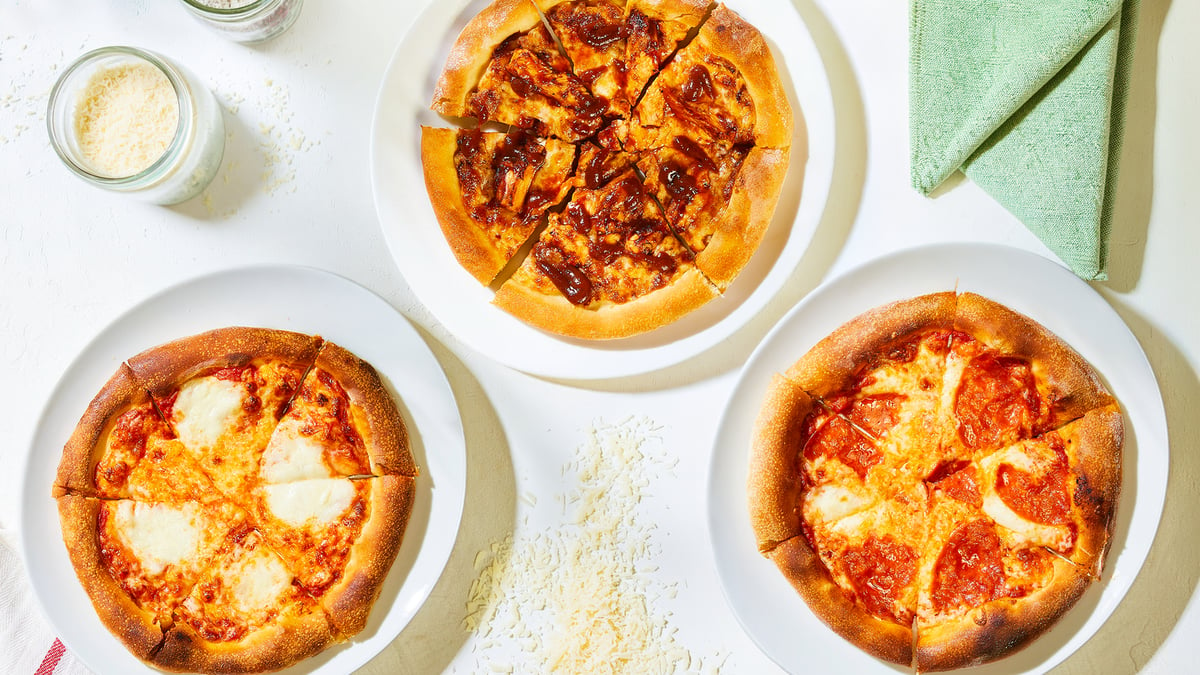
The chain's early menu challenged everything Americans thought they knew about pizza. Instead of pepperoni and sausage, CPK offered Thai chicken pizza, barbecue chicken, and fresh vegetable combinations that felt radical for the era. The move wasn't gimmicky. It reflected a genuine culinary conviction that pizza could showcase premium local ingredients and bold flavor combinations the way fine dining did. California's agricultural abundance and emerging food culture gave CPK authentic roots.
Rosenfield credits one strategy with sustaining the company through four decades of restaurant industry volatility: constant menu innovation paired with local relevance. CPK never stopped experimenting. Chefs continuously developed new pizzas, tested regional variations, and responded to what local customers wanted. A location in coastal California served different pizzas than one in the Midwest. This flexibility kept the brand feeling fresh rather than stale, even as the company scaled nationally.
The chain's trajectory wasn't seamless. CPK faced the same pressures that have toppled other casual dining concepts. Labor costs climbed. Competition intensified from both fast-casual pizza concepts like Blaze and established players adapting their menus. Supply chain disruptions hit hard during the pandemic. Yet where many chain restaurants froze their menus and cut costs, CPK maintained its commitment to ingredient quality and culinary experimentation.
That philosophy extended beyond the menu. CPK invested in restaurant design that felt upscale and approachable simultaneously. The open kitchens let diners watch pizza makers work. The atmosphere celebrated food without the pretension of fine dining. For casual dining, this positioning proved durable across demographic groups and economic cycles.
The 1980s strategy still works because CPK understood something fundamental: American diners increasingly wanted better food at casual prices. The chain proved you could scale that idea nationally without sacrificing the essence of it. Your neighborhood CPK didn't feel corporate because the menu reflected your neighborhood's tastes.
Today, CPK operates hundreds of locations globally and has spawned countless imitators. Fast-casual pizza chains, wood-fired concepts, and gastropubs all borrowed from the CPK playbook. The strategy of using pizza as a canvas for ingredient-driven cooking now feels obvious. In the 1980s, it was revolutionary.
Rosenfield's willingness to stay nimble while maintaining core values became the company's competitive moat. As restaurant trends cycle through farm-to-table enthusiasm, sustainability concerns, and digital ordering demands, CPK's fundamental approach adapts because it's built on flexibility, not rigid dogma. The chain proved that consistency in a casual dining chain doesn't require consistency in menu offerings. It requires consistency in culinary ambition.
That distinction explains why CPK mattered beyond business metrics. The chain helped shift American expectations about what casual dining could be. Pizza chains didn't have to be cheap. They could be thoughtful. They could change. They could taste like somewhere specific.