# Buttercream Toast Is Displacing Cinnamon Toast as the Comfort Carb of the Moment
A new contender has arrived in the realm of simple toast toppings. Buttercream toast, a minimal preparation that combines soft butter with a touch of sweetness, is gaining traction among home cooks and food writers seeking an alternative to the ubiquitous cinnamon toast.
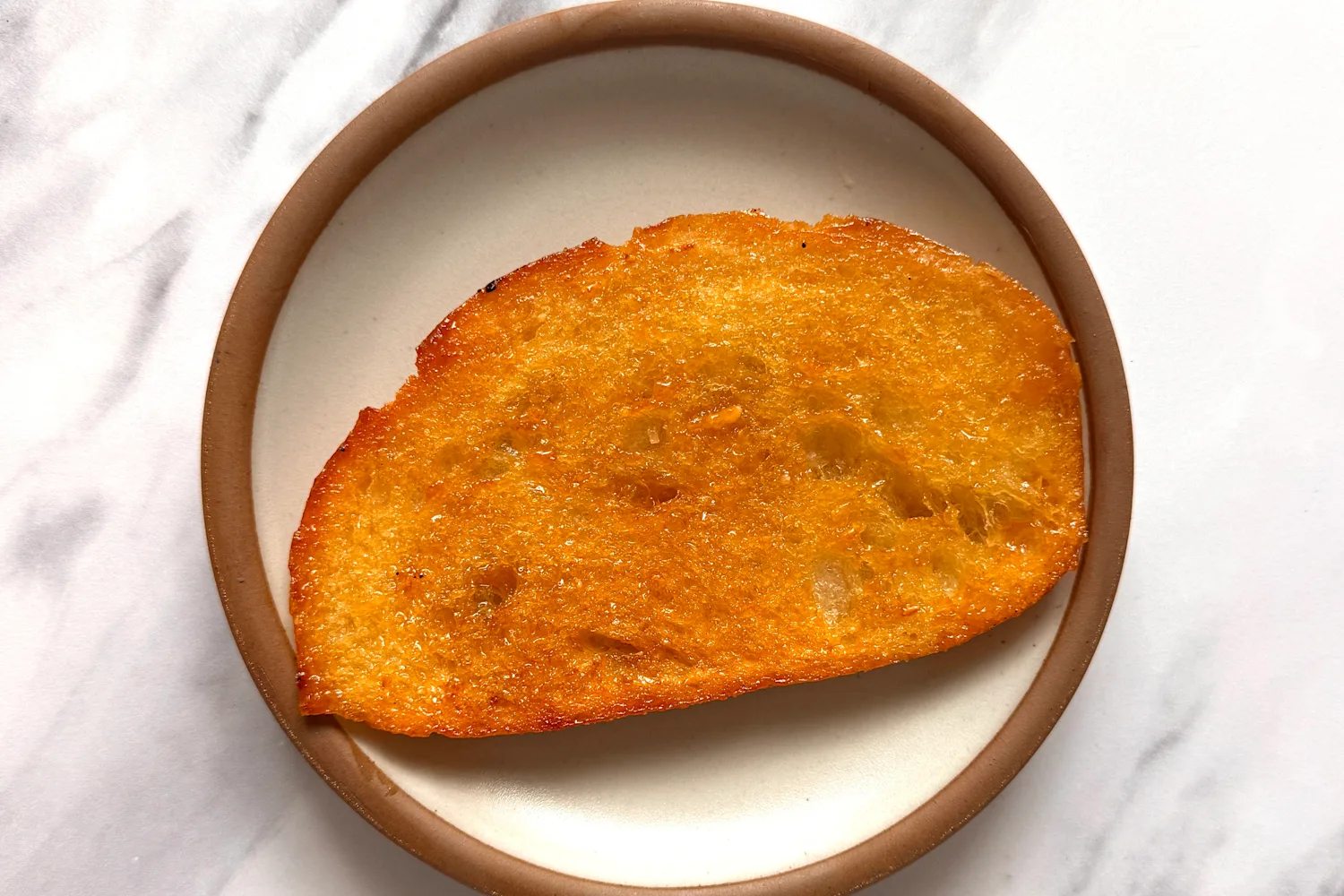
The appeal lies in its restraint. Rather than the spice-forward profile of traditional cinnamon toast, buttercream toast strips the concept back to its core components. Softened butter spread generously across warm, crusty bread creates a rich base. A light dusting of sugar or a drizzle of honey completes the picture. Some versions incorporate a pinch of fleur de sel to heighten the contrast between sweet and savory.
This approach reflects a broader shift in how home cooks approach breakfast and snacking. After years of elaborate toast topologies featuring avocado, burrata, and house-made labneh, the pendulum swings back toward simplicity. Buttercream toast demands nothing more than quality ingredients and proper technique. The butter must be at the right temperature to meld into the bread without sliding off. The bread itself, whether brioche, sourdough, or a simple white loaf, becomes the star.
The Kitchn, a digital publication specializing in accessible kitchen advice and recipes, has featured this trend prominently. Their coverage reflects a common pattern in food media: identifying emerging preferences in home kitchens, validating them, and amplifying them through publication. When trusted food voices endorse a simple preparation, home cooks adopt it eagerly.
Buttercream toast also offers economic advantages over trendy toast preparations. A quality loaf of bread and good butter represent modest expenses. This accessibility matters. During periods of economic uncertainty, comfort foods that rely on pantry staples gain popularity. Buttercream toast fits this category perfectly.
The preparation harks back to childhood breakfasts and nostalgia-driven eating. Many people grew up with buttered toast as a reliable breakfast option. Buttercream toast elevates this memory through conscious ingredient selection and presentation, transforming something ordinary into something worthy of attention without requiring specialized skills or obscure ingredients.
The texture contrast plays a central role in buttercream toast's appeal. Warm bread absorbs melted butter while retaining its structure. Sugar caramelizes slightly where it meets the heat of the toast, creating a subtle crust. This interplay of textures separates buttercream toast from its predecessor, cinnamon toast, which relies on spice to drive flavor.
Cinnamon toast, familiar since at least the early twentieth century, remains popular. Its decline is not absolute. Rather, buttercream toast represents generational dietary preferences shifting. Younger cooks, influenced by artisanal food culture and the farm-to-table movement, gravitate toward preparations showcasing individual ingredient quality. Buttercream toast allows cinnamon's complexity to step back while butter and bread take center stage.
This trend will likely persist through social media amplification. Toast photography performs exceptionally well on Instagram and TikTok. The visual simplicity of buttercream toast, with its glossy butter sheen and golden-brown surface, photographs beautifully. Food creators will continue featuring variations. Some will add sea salt, others will experiment with brown butter or herb-infused versions. The base concept remains unchanged.
For home cooks seeking uncomplicated morning nourishment with minimal preparation time, buttercream toast offers exactly what current food culture rewards: authenticity, restraint, and ingredient transparency.