# Fast-Casual Chains Test Bold Flavors and Theater to Capture Market Share
Dave's Hot Chicken, Chipotle, and Rock N Roll Sushi represent three distinct strategies for how fast-casual restaurants are competing in an increasingly crowded marketplace. Each chain pursues a different path to customer loyalty, yet all three operate within the same economic pressures reshaping the industry.
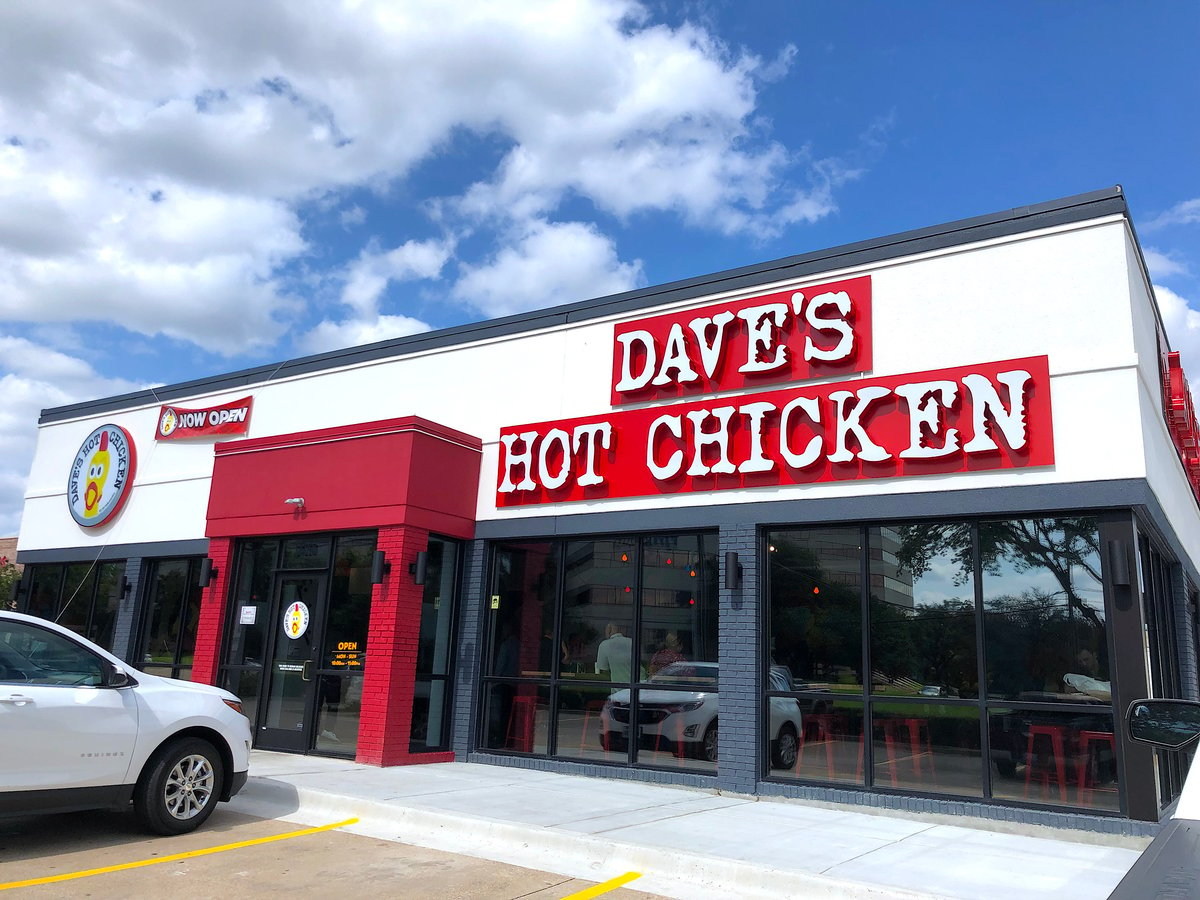
Dave's Hot Chicken has built its brand around a single, obsessive focus. The Los Angeles-based chain specializes in Nashville-style hot chicken sandwiches, a regional American dish that exploded into mainstream popularity over the past decade. The brand strips away complexity, offering customers a straightforward menu centered on chicken breast sandwiches with varying heat levels, alongside simple sides like crinkle-cut fries and coleslaw. This narrowed menu allows the operation to achieve faster service times and lower food costs than broader fast-casual competitors. The chain has expanded rapidly since its 2017 founding, opening locations across the United States and internationally, proving that specialized menus can drive growth when executed with operational discipline.
Chipotle continues its evolution as the category leader in customizable bowl-building restaurants. The company's ability to maintain customer interest stems partly from its ingredient sourcing narrative and partly from operational efficiency. Chipotle's recent menu innovations have included new proteins and limited-time regional flavors, but the chain's real strength remains its repetitive ordering experience. Customers understand exactly what they will receive and can predict costs within seconds of entering a location. This predictability, combined with digital ordering and delivery integration, has made Chipotle's model resilient against both economic downturns and aggressive competitors.
Rock N Roll Sushi introduces theater to the sushi-casual segment. The brand builds its experience around visible preparation and a younger, music-driven aesthetic. Rather than competing on price against established sushi chains, Rock N Roll Sushi positions itself as entertainment alongside sustenance. The hand-rolling of sushi in full customer view, combined with contemporary branding and soundtrack choices, creates a dining experience that transcends the transaction itself.
The broader context matters here. Fast-casual restaurants face margin compression from labor costs and ingredient inflation. Chipotle, with its scale and pricing power, can absorb these pressures more easily than smaller competitors. Dave's Hot Chicken succeeds through operational simplicity and speed. Rock N Roll Sushi wins through differentiation and experience design rather than volume.
These three chains illustrate how the fast-casual category has matured. The early promise of "fast food done right" has evolved into three distinct business models. Specialization works for Dave's Hot Chicken. Scale and consistency work for Chipotle. Experiential differentiation works for Rock N Roll Sushi. Each approach acknowledges that customers now demand either clarity of purpose, proven consistency, or genuine entertainment value. The chains that survive the next five years will be those that clearly own one of these three positions without attempting to own all three.