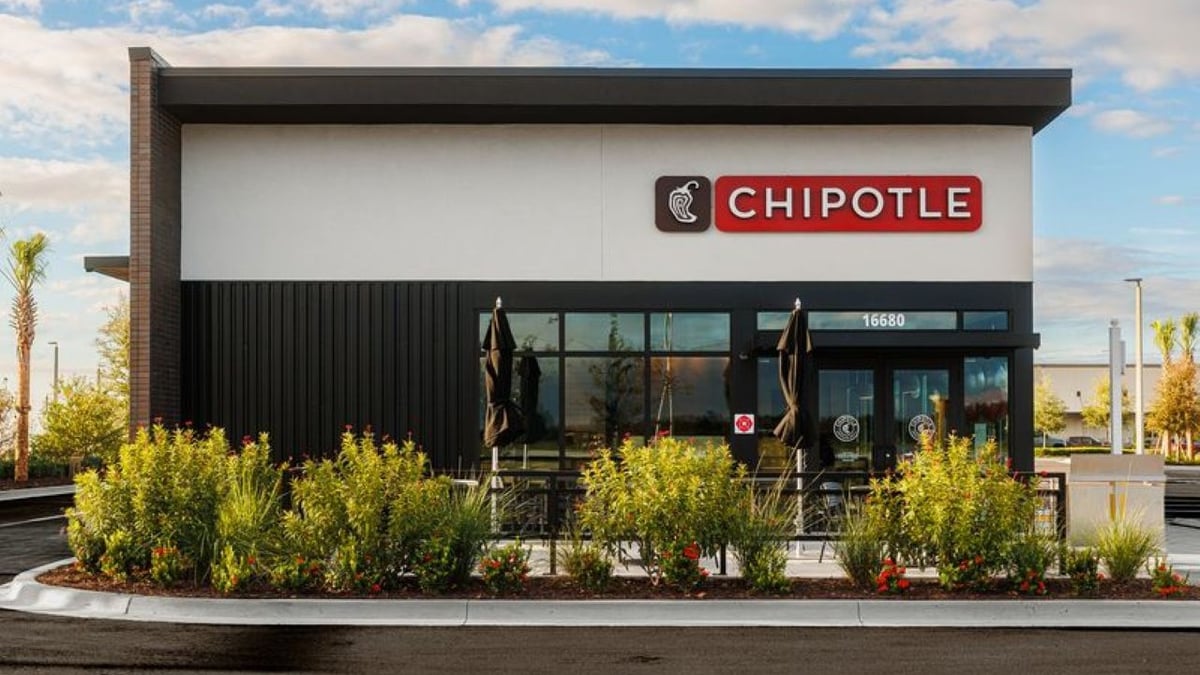
Chipotle Mexican Grill reached a watershed moment in its digital-first expansion strategy this week by opening its 1,500th Chipotlane location. The rapid-order pickup lanes, which debuted less than a decade ago, now represent a core pillar of the chain's growth strategy and a template that competitors from Panera Bread to Chick-fil-A have rushed to copy.
The Chipotlane format allows customers to order through Chipotle's app or website and pick up their burritos, bowls, and tacos without entering the restaurant. Digital orders route directly to a dedicated assembly line, bypassing the main counter entirely. This separation eliminates friction for app users while freeing kitchen staff to serve walk-in customers at a faster pace. The company's data shows Chipotlane locations generate significantly higher sales per unit than traditional restaurants.
Chipotle's speed in scaling this infrastructure reflects a strategic pivot that began accelerating after the pandemic. The chain operated fewer than 200 Chipotlanes in 2020. Reaching 1,500 in less than a decade represents aggressive buildout. The company now operates roughly 3,300 total Chipotle locations globally, meaning nearly 45 percent now feature this digital-dedicated format.
The expansion accelerated after 2020 because Americans' ordering habits shifted dramatically. App-based ordering became table stakes for competitive restaurant chains. Chipotle seized on this trend by designing restaurants around digital demand rather than treating it as an afterthought. New store designs prioritize kitchen depth and digital pickup areas while reducing dining seating. Existing locations received retrofits to add Chipotlanes where real estate permitted.
This architectural strategy solves a problem that plagued Chipotle for years. During lunch and dinner rushes, long lines of in-person customers created bottlenecks. Kitchen capacity reached ceiling levels. Chipotlanes unclog this constraint by separating order flows. Walk-in customers move faster. App users skip crowds entirely. Kitchen teams work against two distinct assembly streams, each optimized for its own pace.
Competitors noticed. Panera invested in its own pickup lanes. Chick-fil-A, already built for drive-through efficiency, added digital pickup areas. Pizza chains began exploring similar models. But Chipotle's 1,500-unit milestone demonstrates the company's lead in execution.
The milestone also reflects Chipotle's broader technological ambitions. The chain has invested heavily in its app experience, digital loyalty programs, and backend ordering systems. Each Chipotlane generates data about order timing, peak demand windows, and ingredient preferences. Chipotle uses this information to optimize staffing levels and inventory forecasting. Digital orders also reduce chargebacks and disputes compared to phone orders.
Wall Street views Chipotlanes as a lever for margin expansion. Higher unit volumes with lower labor intensity per order boost profitability. The company guides toward continued Chipotlane buildout as it opens new restaurants and retrofits existing ones.
Some industry analysts note that Chipotlanes work best in high-traffic urban and suburban markets. Rural or slower-volume locations may not justify the investment. But Chipotle's willingness to redesign its entire restaurant prototype around digital ordering demonstrates conviction that app-based commerce will dominate casual dining for decades ahead.