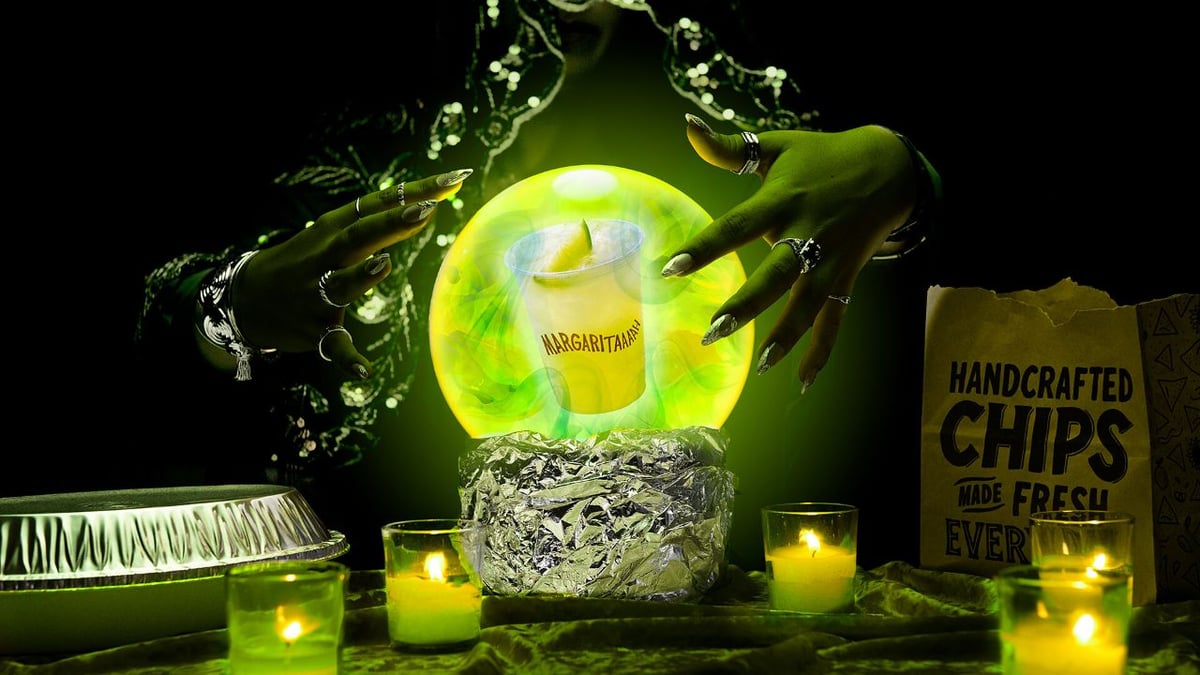
Chipotle Mexican Grill returns to the spirits game with the relaunch of margaritas at select locations, marking a strategic pivot back into alcoholic beverages after years of retreat from the category. The chain offered cocktails across most of its restaurants during the early 2010s but systematically wound down the program starting in 2018, eventually phasing out margaritas almost entirely.
The decision to bring margaritas back reflects shifting consumer behavior and Chipotle's evolving business model. During the early years of the Obama administration, margaritas represented a natural extension of the casual Mexican dining experience. Chipotle poured resources into training staff to mix drinks and managing inventory for spirits and mixers. But as the brand faced food safety crises between 2015 and 2018, executives made calculated choices about which operations to maintain. Alcohol service required additional licensing, regulatory compliance, and labor costs that didn't justify the returns at most locations.
Now, Chipotle sees opportunity. The casual dining sector has rebounded post-pandemic, and consumers increasingly expect beverage programs to extend beyond sodas and agua fresca. Margaritas carry high profit margins. A simple lime margarita or variations using fresh fruit, jalapeños, or mango costs the chain less than five dollars to produce but commands retail prices between twelve and eighteen dollars depending on location. That economics matter when foot traffic and check averages are the metrics that matter to Wall Street.
The limited rollout reveals caution. Rather than flooding every Chipotle location nationwide, the company tests demand in select metropolitan markets where consumers demonstrate higher willingness to pay for premium beverages and spend more per visit. Major urban centers like New York, Los Angeles, and Chicago become testing grounds. If margarita sales exceed targets, expanded rollout follows.
This move also positions Chipotle against competitors expanding alcohol programs. Panera Bread, Sweetgreen, and Shake Shack have all experimented with wine, beer, or cocktails in recent years. For a fast-casual brand trying to elevate its image and increase average check size, beverage programs separate premium positioning from value competitors. A customer ordering a bowl, chips, guacamole, and a margarita generates significantly more revenue than one buying food alone.
Supply chain resilience matters too. Chipotle has rebuilt operational confidence after years of recalls and closures. The brand now executes complex menu initiatives cleanly, from viral items like carne asada to digital-first offerings. Adding margarita service signals management confidence that systems can handle incremental complexity without operational failure.
The gradual return also acknowledges franchise realities. Not every Chipotle franchisee wants to manage alcohol licensing, purchasing, and service training. Pulling back in 2018 allowed operators struggling with margins to streamline. Now, as the chain grows again under CEO Brian Niccol, who transformed Taco Bell's operational footprint, selective expansion respects franchise autonomy while capturing growth opportunities in high-performing locations.
Margaritas represent more than nostalgia. They symbolize Chipotle's confidence that the brand can layer revenue opportunities without sacrificing speed or quality. Success in select cities determines whether cocktails eventually become standard across the Chipotle system once again.