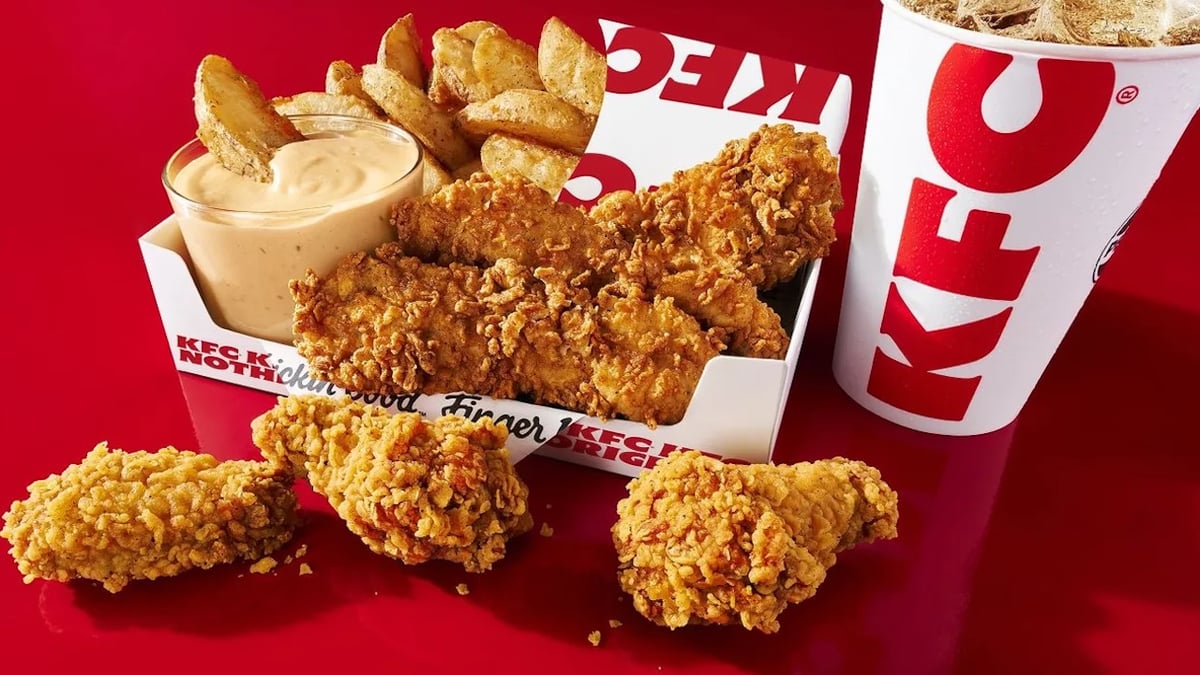
# KFC's Sauce Strategy: How Dipping Sauces Became Central to Chicken Consumption
Melissa Cash, Chief Marketing Officer at KFC, has positioned sauce as a defining element of the brand's identity and customer experience. The strategic focus reflects a broader shift in how fast-food chains monetize and differentiate their core products through condiments and accompaniments.
Dipping sauces have evolved from afterthoughts into revenue drivers and brand loyalty mechanisms. For KFC, this pivot transforms a simple chicken order into a customizable experience. Cash's emphasis on sauce underscores how chains amplify perceived value without substantially increasing food costs. A bucket of chicken becomes a platform for flavor variation.
The sauce strategy serves multiple business objectives. First, sauces command premium pricing. A single dipping sauce packet or larger portion costs KFC minimal dollars to produce but can justify higher menu prices. Second, sauce selection creates repeat visits. Customers develop preferences for specific formulas, building habitual purchasing behavior. Third, limited-time sauce offerings generate marketing buzz and urgency, driving foot traffic during promotional windows.
This approach mirrors successful strategies at competitors like Chick-fil-A, which has built cultural cachet around its signature sauce, and Popeyes Louisiana Kitchen, where sauce pairings influence menu perception. Buffalo Wild Wings normalized sauce as central to chicken consumption decades earlier, proving dipping cultures drive engagement and spending.
KFC's sauce portfolio ranges from traditional options like original recipe gravy to contemporary flavors testing millennial and Gen Z palates. The brand has experimented with regional variations, limited editions, and collaborative flavors. Each launch generates social media conversation and merchandise fantasy lists. Sauce becomes storytelling.
The operational advantage runs deep. Sauces improve inventory management and product utilization. Chicken pieces approaching quality thresholds still work perfectly when incorporated into saucy applications. Excess stock finds purpose rather than waste. Restaurants also reduce perceived portion size concerns through generous sauce provision, offsetting smaller chicken pieces with wet, flavorful delivery mechanisms.
From a competitive standpoint, sauce differentiation protects against commoditization. Fast-food chicken has become increasingly crowded. Chick-fil-A, Popeyes, Wingstop, Slim Chickens, and regional players all compete for chicken dollars. Sauce creates defensible brand distinction. KFC's proprietary formulas become moats against imitation.
Cash's public emphasis on dipping reflects broader CMO recognition that category expansion no longer drives growth meaningfully. The chicken sandwich wars have plateaued. Sauce monetization represents smarter margin architecture than launching new protein formats or sides.
Consumer behavior data supports this focus. Gen Z and millennial consumers increasingly demand customization and flavor complexity. Millennials grew up with Sriracha, spicy condiments, and Asian-influenced sauces. Gen Z expects multiple flavor profiles within single transactions. Sauce abundance speaks their language.
KFC's sauce strategy extends beyond restaurants into retail. Bottled sauces sold in grocery stores create secondary revenue and brand extension into home cooking. Each bottle becomes a marketing vehicle, reminding customers of KFC experiences during weeknight meals.
The trend indicates how legacy fast-food chains evolve without abandoning core products. Rather than reinventing chicken, KFC invests in the experience architecture around it. Sauce becomes the answer to stagnation, transforming familiar products into platforms for innovation and engagement.