# Chefs Rediscover Stainless Steel as Nonstick's Pandemic Dominance Fades
The cooking world is experiencing a quiet but pronounced shift away from the nonstick revolution that dominated kitchen culture during lockdown. Stainless steel cookware, the workhorse of professional kitchens for decades, is reclaiming serious ground as home cooks and chefs alike recognize its practical superiority for everyday cooking.
The pandemic fundamentally altered how Americans shopped for kitchen equipment. Streaming ads for nonstick brands flooded social feeds as people invested in home cooking during lockdown. Those cookware options promised ease and minimal cleanup. They delivered on convenience. But they came with real limitations that professional cooks understood all along.
Stainless steel excels where nonstick fails. The material develops a natural patina with use, actually improving its performance over time. It handles high heat without degradation. It seasons like cast iron, building layers of flavor with each use. Nonstick coatings degrade. They flake into food. They cannot handle the thermal shocks that professional cooking demands. Most critically, nonstick prevents proper browning. It blocks the Maillard reaction that creates depth and complexity in dishes.
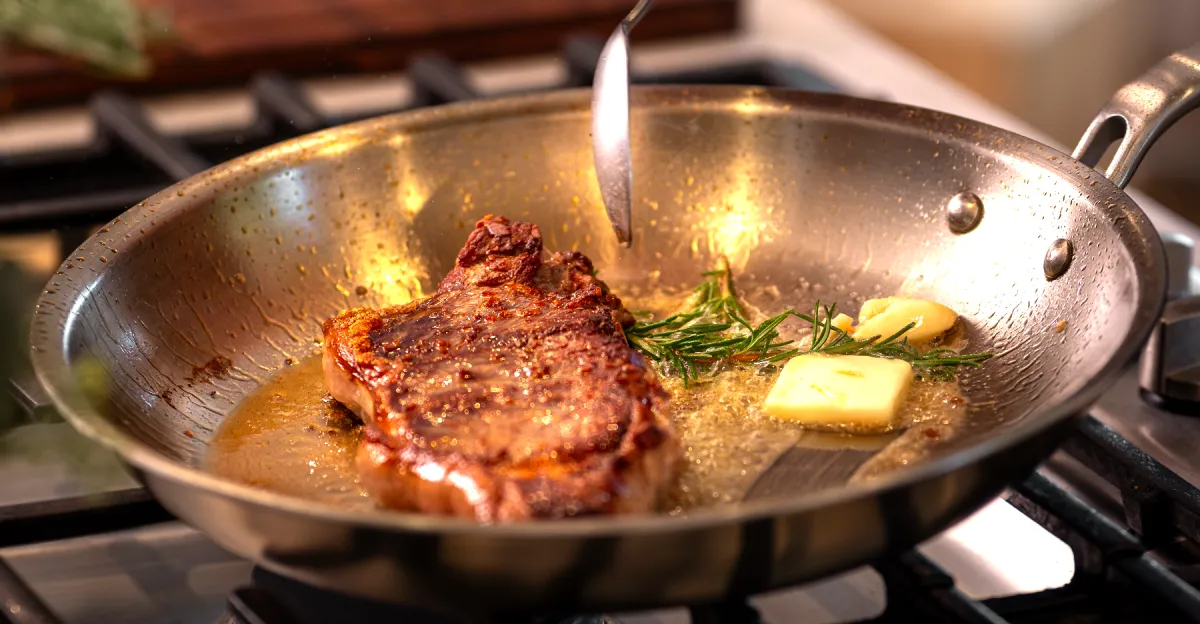
Chefs love stainless steel because it responds to technique. When a pan sits over high heat and a protein hits its surface, stainless steel creates a golden crust through proper heat management. The cook controls the outcome through skill, not reliance on a coating. This matters for everything from searing scallops to building fond for pan sauces to achieving the textural contrast that distinguishes restaurant food from home cooking.
The material's durability appeals to budget-conscious home cooks in an era of inflation. A quality stainless steel pan costs more upfront than nonstick alternatives, but it lasts decades. A well-maintained All-Clad or Demeyere pan becomes part of a cook's permanent toolkit. Nonstick cookware typically needs replacement every three to five years. Over a lifetime of cooking, stainless steel proves more economical.
Post-pandemic shopping patterns reveal consumers rethinking pandemic purchases. The initial rush toward convenience products gave way to recognizing which tools actually serve serious cooking. Brands like Le Creuset, Staub, and Zwilling have seen renewed interest as people invest in cookware that matches their growing skill levels. Home cooking became less novelty and more habit. As habits solidified, so did preferences for equipment that rewards technique.
Professional kitchens never abandoned stainless steel. Line cooks at Michelin-starred restaurants use the same All-Clad skillets available to consumers. This accessibility matters. It means home cooks pursuing restaurant-quality results can actually use the same tools professionals use. That transparency builds trust and drives demand.
The shift reflects broader cultural maturation around cooking. The pandemic activated interest in food preparation. Initial enthusiasm favored simple solutions. As that interest deepened into genuine practice, cooks discovered that some shortcuts undermine results. Stainless steel demands attention. It requires understanding heat, timing, and technique. For cooks willing to invest those elements, the payoff comes through superior food.
This renaissance isn't about rejecting nonstick entirely. Certain tasks suit nonstick well. Scrambling eggs, cooking fish, heating delicate foods benefit from nonstick properties. But as the primary workhorse pan, stainless steel offers versatility, durability, and the capacity for improvement that keeps cooks engaged and learning.