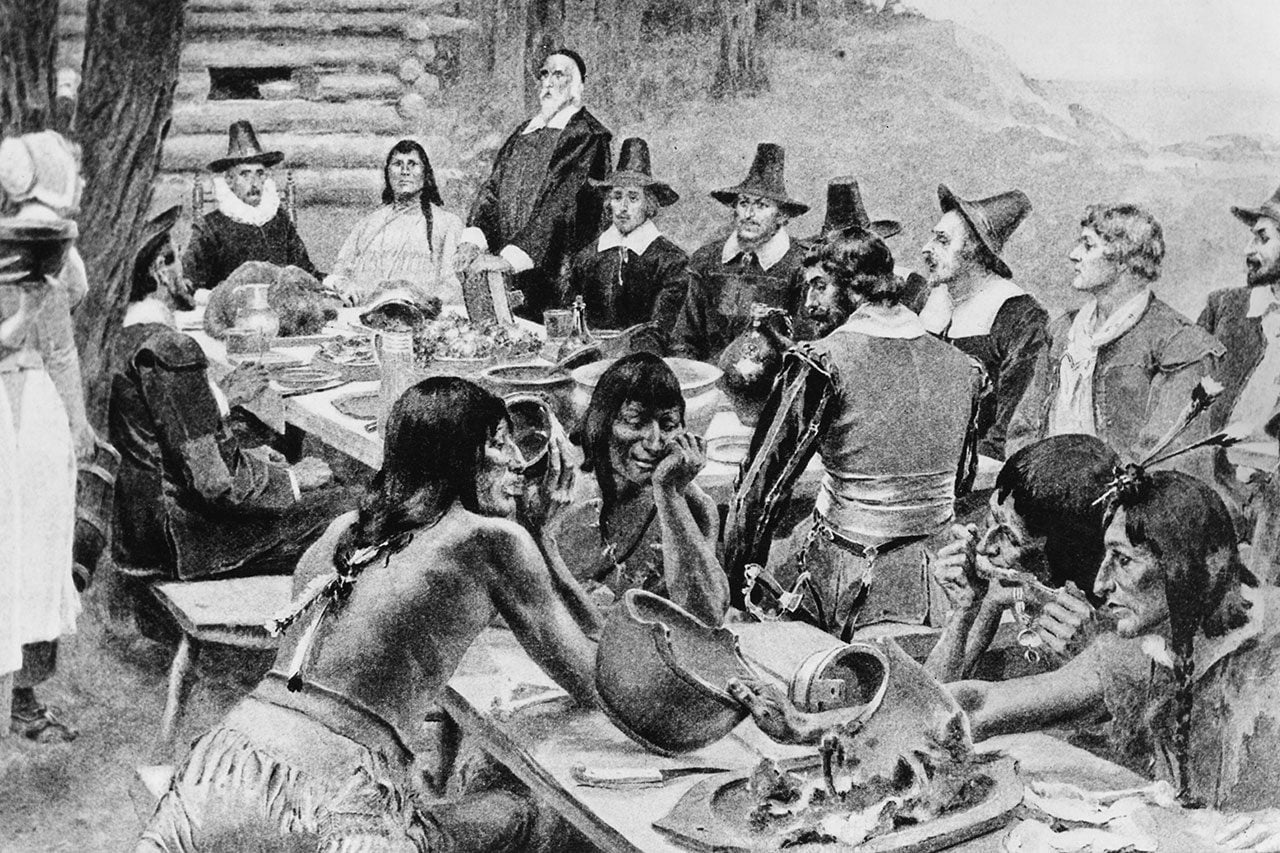
The first Thanksgiving in Plymouth in the fall of 1621 brought together roughly 50 English colonists and 90 Wampanoag, including their leader Ousamequin, known as Massasoit, for three days of feasting. Yet historical records offer almost no detail about what they actually ate.
Edward Winslow, an English colonist who attended, documented that the Wampanoag contributed five deer to the celebration. He also wrote that four Englishmen hunted wildfowl and returned with enough birds to feed the colonists for nearly a week. Winslow never specified which birds they caught. Wild turkeys were present in the region, but so were ducks, geese and other game birds. Turkey's association with Thanksgiving is four centuries old, but nothing in the historical record confirms it appeared at the original meal.
Corn was central to both communities. The Wampanoag had grown maize for generations and prepared nasaump, a thick porridge made from ground corn, sometimes cooked with other ingredients. Corn could be ground into meal for breads or used to thicken stews.
The local waters offered cod, bass, clams, mussels and lobster. William Bradford, Plymouth's governor, wrote of colonists catching substantial quantities of cod and bass during the summer of 1621. Squash and pumpkin, important Wampanoag crops, could be roasted, boiled or added to stews. The colonists lacked the wheat flour, butter and sugar needed for pumpkin pie. That dish did not appear in American cookbooks until 1796.
The Wampanoag grew beans alongside corn and squash. A traditional stew called sobaheg combined these ingredients with meat or fish. Wild foods also appeared on tables. Chestnuts, walnuts, hazelnuts, acorns, wild grapes and cranberries grew in the region's forests and wetlands, each with its own season and uses.