A dietitian and recipe developer outlines the nutritional benefits and practical uses of cottage cheese, a dairy product experiencing a surge in popularity on social media.
Cottage cheese delivers 12 to 14 grams of protein per half-cup serving, roughly equivalent to two large eggs. The protein supports muscle maintenance and repair, particularly important as people age. Cottage cheese also provides phosphorus and calcium for bone health, though it contains less calcium than milk or Greek yogurt.
The choice of cottage cheese matters for cooking. The dietitian recommends 2% cottage cheese for whipping into dips, spreads and pasta sauces because it blends smooth without feeling heavy. Full-fat, or 4% cottage cheese, works best for baked goods, casseroles and lasagna fillings, adding richness when replacing sour cream or cream cheese. Fat-free varieties tend to be watery with a chalky taste and can affect the texture of baked dishes.
Sodium presents a concern. Some brands contain more than 400 milligrams per half-cup serving, and eating a full cup could deliver more than 800 milligrams, roughly one-third of the daily recommended limit. The dietitian recommends comparing labels and suggests Good Culture as a lower-sodium option at 380 milligrams per serving.
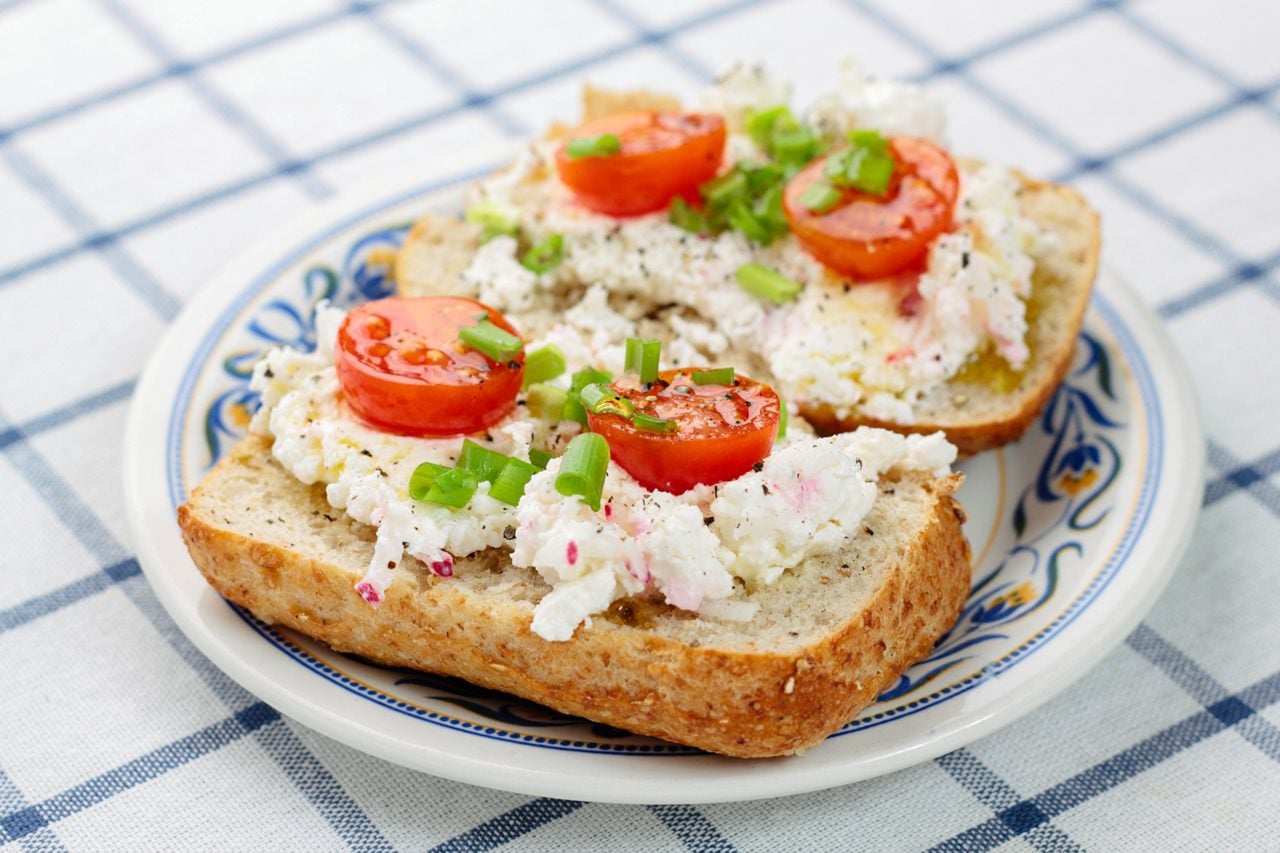
Practical applications include topping cottage cheese with berries and honey for breakfast, blending it into smoothies for creaminess, stirring it into scrambled eggs, spreading it on toast after blending smooth, and using it in pasta sauces, lasagna and baked goods. For lasagna, draining cottage cheese in a fine-mesh strainer for 15 to 30 minutes removes excess moisture that can create watery layers.