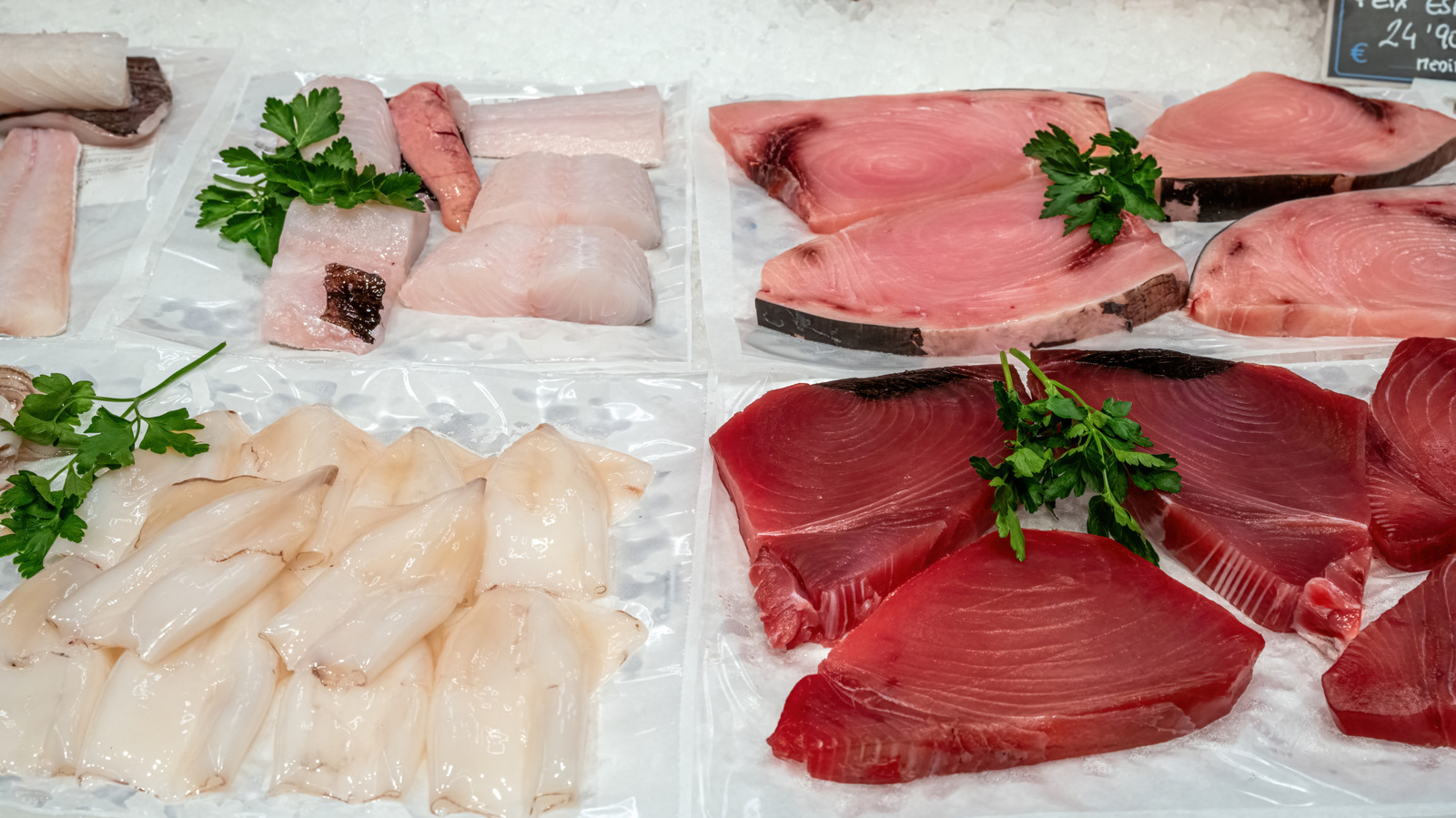
Flounder offers a leaner alternative to salmon for diners watching calories. While salmon contains between 130 and 200 calories per three-ounce serving, flounder consistently clocks in at around 100 calories per three-ounce serving. The difference stems from how the fish live. Salmon accumulate fat to migrate and survive cold waters, while flounder are sedentary ambush predators with lower energy requirements.
On the plate, flounder cooks faster than salmon because it is thinner and far less fatty. Its mild, clean-tasting flesh benefits from quick, hot cooking methods. Overhandling causes the delicate fish to become dense and rubbery.
Flounder's subtle flavor means heavy seasoning overwhelms it. Classic preparations work best. Meunière, made with browned butter, lemon, and parsley, elevates flounder without overpowering it. French butter sauces like beurre blanc and béchamel add richness while requiring only a quick pan-sear on each side. Baking keeps the fish moist since you handle it just once to transfer it to a plate. Deep-frying with breading helps flounder hold its shape during cooking.