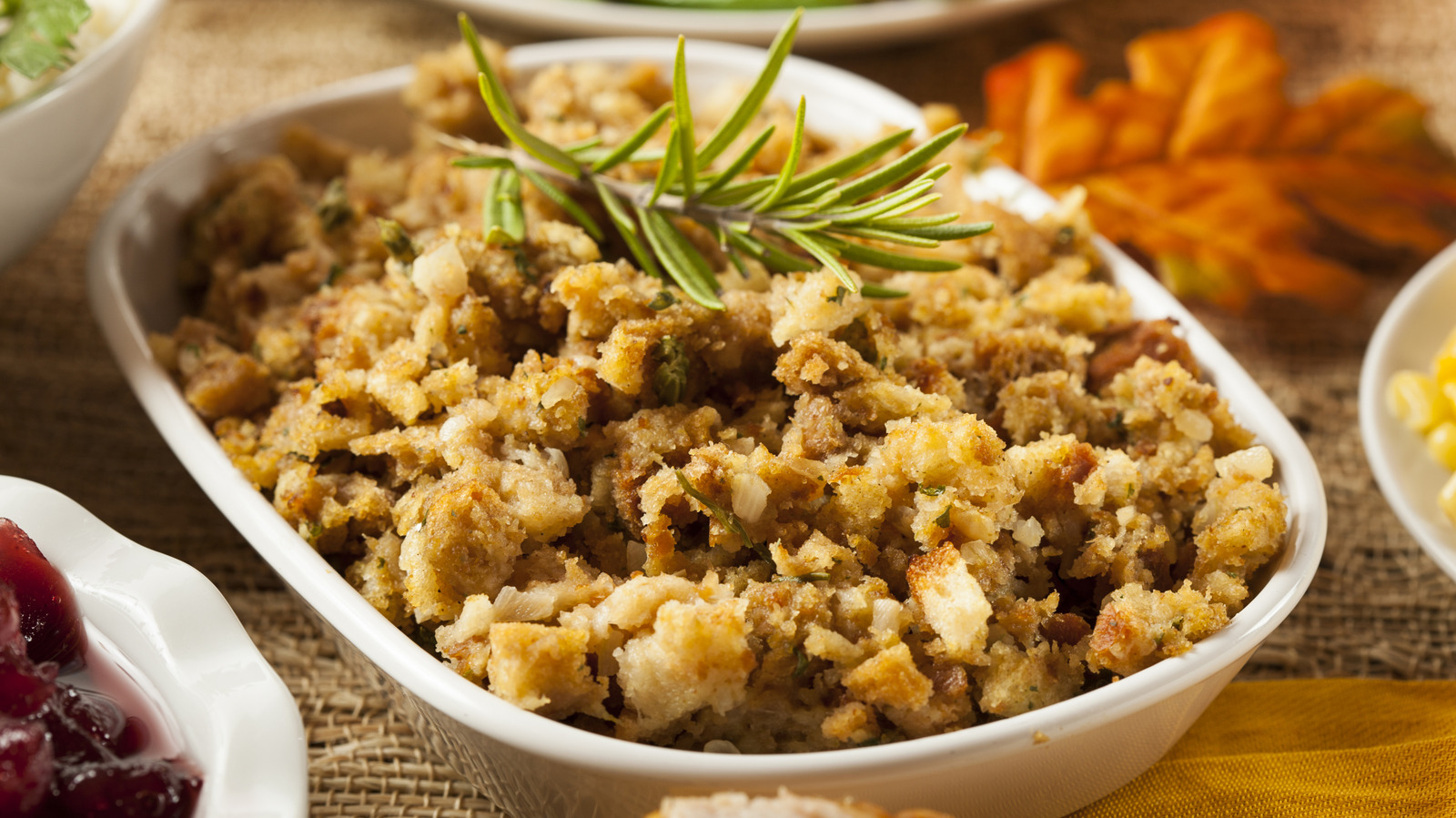
The food world loves a shortcut to sophistication, and the latest trend—drizzling brown butter over stuffing for "10x the flavor"—exemplifies this perfectly. The ingredient itself is legitimate: brown butter's butterscotch-y nuttiness genuinely complements savory dishes, pairing beautifully with sage, onion, and mushrooms in a classic sausage and mushroom stuffing. Even pumpkin and herb stuffing, full of warming spices and chili, can benefit from brown butter's enhancement of the subtle sweetness of the pumpkin and the juiciness of the raisins. But packaging it as a revolutionary hack diminishes what brown butter actually is: a foundational cooking technique that deserves respect, not clickbait treatment.
The real issue here is the unnecessary gatekeeping around technique. Yes, brown butter requires attention—medium to medium-low heat, constant vigilance to avoid the quick descent from delectably golden brown with a nutty aroma to burnt and bitter. Yes, you need to remove the pan from heat immediately when ready. These are legitimate skills. But the report's framing suggests brown butter is some exotic secret when it should simply be a standard tool in any home cook's repertoire, especially during holiday cooking when we're already managing multiple dishes.
What genuinely concerns me is the ingredient quantity recommendation: two to three full sticks of butter for a single stuffing casserole. The reasoning—that bold flavors in typical stuffing require this much butter to taste the nuttiness—reveals a fundamental misunderstanding. Good cooking balances flavors rather than drowning them. If your stuffing needs two to three sticks of brown butter to taste good, the problem isn't your butter choice; it's your recipe foundation. This approach wastes a delicate ingredient and creates an unnecessarily rich dish that overshadows the traditional components that make stuffing beloved in the first place.
The practical tips offered are sound: use a light-colored pan to monitor browning, consider whether you prefer salted or unsalted butter and adjust seasonings accordingly, and incorporate the brown butter thoughtfully—either by sautéing vegetables directly in it or combining them separately. These details matter, and I appreciate their inclusion. But they should be presented as proper technique education, not as afterthoughts to justify an overwrought premise.
If you want to elevate your Thanksgiving stuffing this year, by all means, explore brown butter. It is genuinely delicious, and it does add complexity to savory dishes. But approach it as a legitimate cooking method worth mastering—not a trendy hack promising impossible results. Your guests will notice the difference, not because you've discovered some secret ingredient, but because you've applied proper technique and restraint with a quality ingredient. That's always been the real recipe for better cooking.