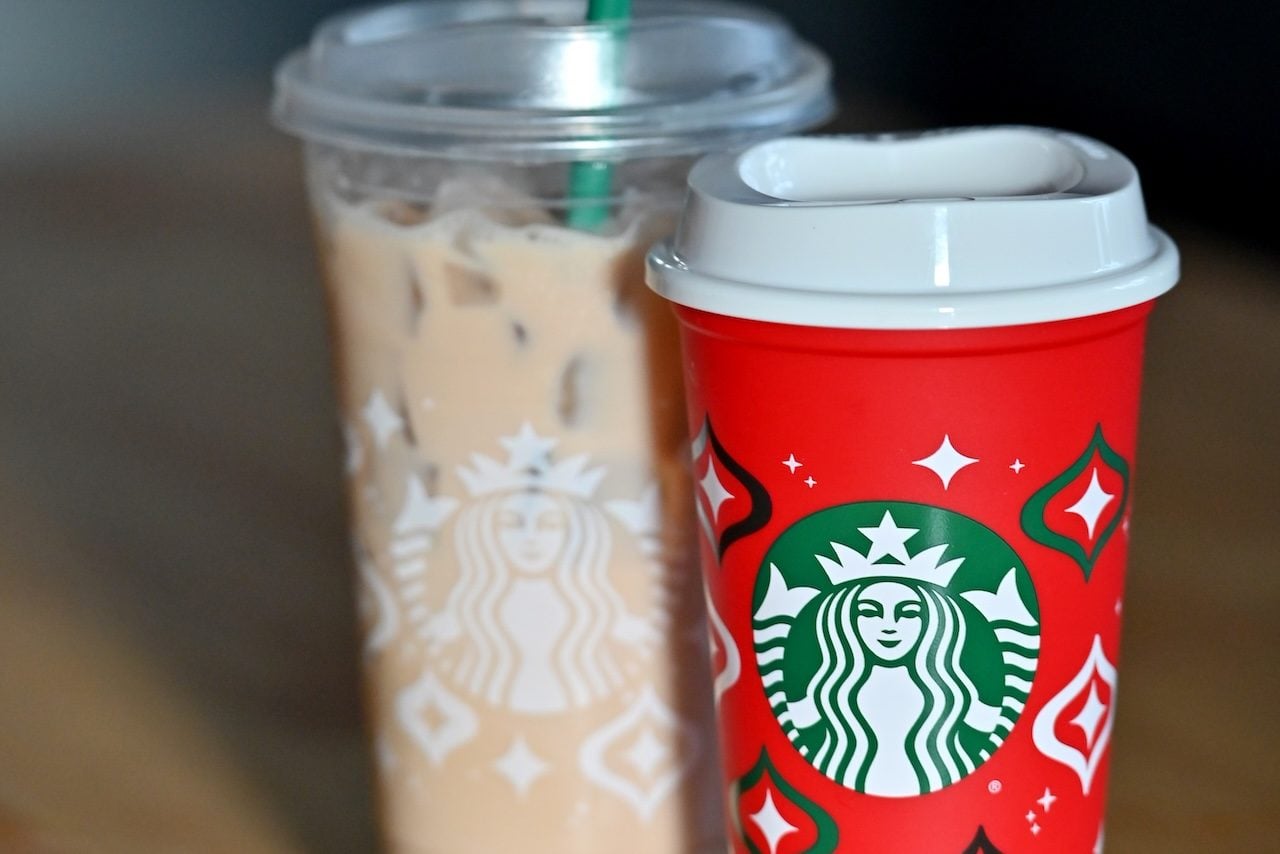
Every November since 2018, Starbucks has orchestrated a carefully choreographed frenzy around Red Cup Day, when the coffee giant distributes free reusable hot-beverage cups to customers who purchase a qualifying holiday beverage. This year, on Tuesday, Nov. 17, the tradition continues—and once again, the company is asking us to celebrate what it presents as an environmentally conscious initiative. But the reality is far more complicated and troubling than Starbucks wants us to believe.
The logistics alone reveal the inherent contradiction at the heart of this promotion. Customers must purchase a handcrafted holiday beverage, which will be served in a separate cup before they receive their reusable 16-ounce grande cup. So for every free reusable cup distributed, a disposable cup has already entered the waste stream. Multiply that by thousands of transactions happening across the country on a single day, and suddenly this 'sustainability' initiative looks less like environmental stewardship and more like a well-marketed way to generate sales while producing considerable waste.
The artificial scarcity Starbucks creates makes matters worse. By limiting supplies and encouraging customers to 'wake up early to ensure they make it to Starbucks before the free cups run out,' the company manufactures urgency that drives unnecessary trips and consumption. This isn't about meeting genuine demand for reusable cups—it's about leveraging FOMO to boost sales on a specific date. The company hasn't even officially revealed the design yet, but food bloggers and fans are already speculating on social media about whether it will feature an argyle design, something botanical, or a two-tone red cup. This anticipation is precisely the point: Starbucks has turned a free cup into a collectible, making it aspirational rather than practical.
Meanwhile, the broader context makes this harder to swallow. Starbucks is launching its holiday menu on Thursday, Nov. 5, with two new options—its Tiramisu Velvet lineup and an Apple Pomegranate Refresher—alongside returning drinks like Peppermint Mocha, Brulée Latte, Sugar Cookie Latte, and Gingerbread Chai. These limited-time offerings fuel consumption cycles that benefit the company's bottom line far more than they benefit the environment.
If Starbucks were genuinely committed to sustainability, it wouldn't need a single day of circus-like giveaways. It would invest in infrastructure that makes reusable cups the default, not the exception. It would incentivize customers year-round, not manufacture artificial scarcity once annually. Red Cup Day isn't a celebration of environmental progress—it's a masterclass in turning consumption into virtue.