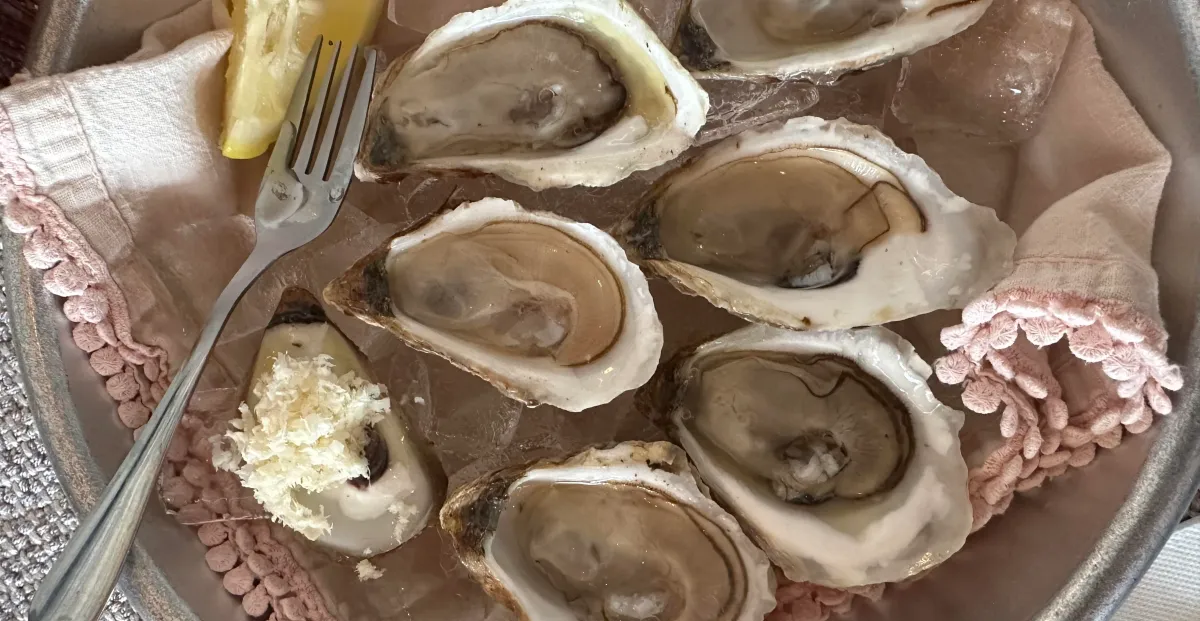
A recent food writer's visit to Prince Edward Island captured the essence of what makes Canada's Food Island special: oysters pulled from nearby waters, potatoes grown on local farms, PEI beef, and ice cream made from milk sourced from cows passed along red-dirt roads. Yet the piece also reveals a troubling reality about how we consume regional food cultures. The writer structured an entire visit around dining destinations, squeezing in bucket-list tourism between meals across just shy of three days, using Charlottetown as a base for a whirlwind tour of the island's culinary offerings.
This approach, while understandable for time-constrained travelers, diminishes the opportunity to truly understand the food systems that make PEI special. The island's complex history with roots in Indigenous Mi'kmaq, Acadian, Irish, Scottish, and other cultures has shaped its foodways over centuries. That history deserves more than a gastropub cocktail and a speakeasy visit, no matter how excellent the Pink Canary served in a small bathtub at Reddins might be. When a visitor can drive across the entire 140-mile stretch of land in an afternoon, the temptation to treat Prince Edward Island like a food checklist becomes almost irresistible.
The writer's own narrative supports this concern. After landing late Thursday afternoon and checking into Charlottetown's main hub, the itinerary became a frenetic succession of meals: the creamy lobster dip and buttery shrimp pil pil at Slaymaker & Nichols, a mediocre lobster roll that warranted no discussion, Raspberry Point oysters at Landmark Oyster House in Victoria-by-the-Sea, and eventually a 'two-lunch day' featuring Blue Mussel Café and Richard's Fresh Seafood in Covehead Wharf. Even a visit to Green Gables Heritage Place was treated as an obligation to complete before returning to the real business of eating.
What's missing from this food itinerary is any meaningful engagement with the producers behind these meals. We learn that the shellfish festival promised 'endless trays of freshly shucked oysters and clams,' but receive no insight into the fisheries themselves. The PEI potatoes and beef are mentioned as abundant and available, yet their growers remain invisible. The haskap berries used in Island Chocolates' truffles are identified as tasting somewhere between a blueberry and raspberry, but not contextualized within PEI's agricultural landscape.
Prince Edward Island's food identity is genuine and worth celebrating, but it requires visitors to slow down. Rather than treating the island's culinary offerings as destinations to conquer in three days, travelers should consider extended stays that allow for conversations with farmers, fishermen, and restaurateurs about their practices and philosophies. The island's food story is too rich, too historically complex, and too rooted in sustainable local systems to be experienced as a series of meals between tourist attractions. PEI deserves visitors who stay long enough to understand not just what they're eating, but why it matters.