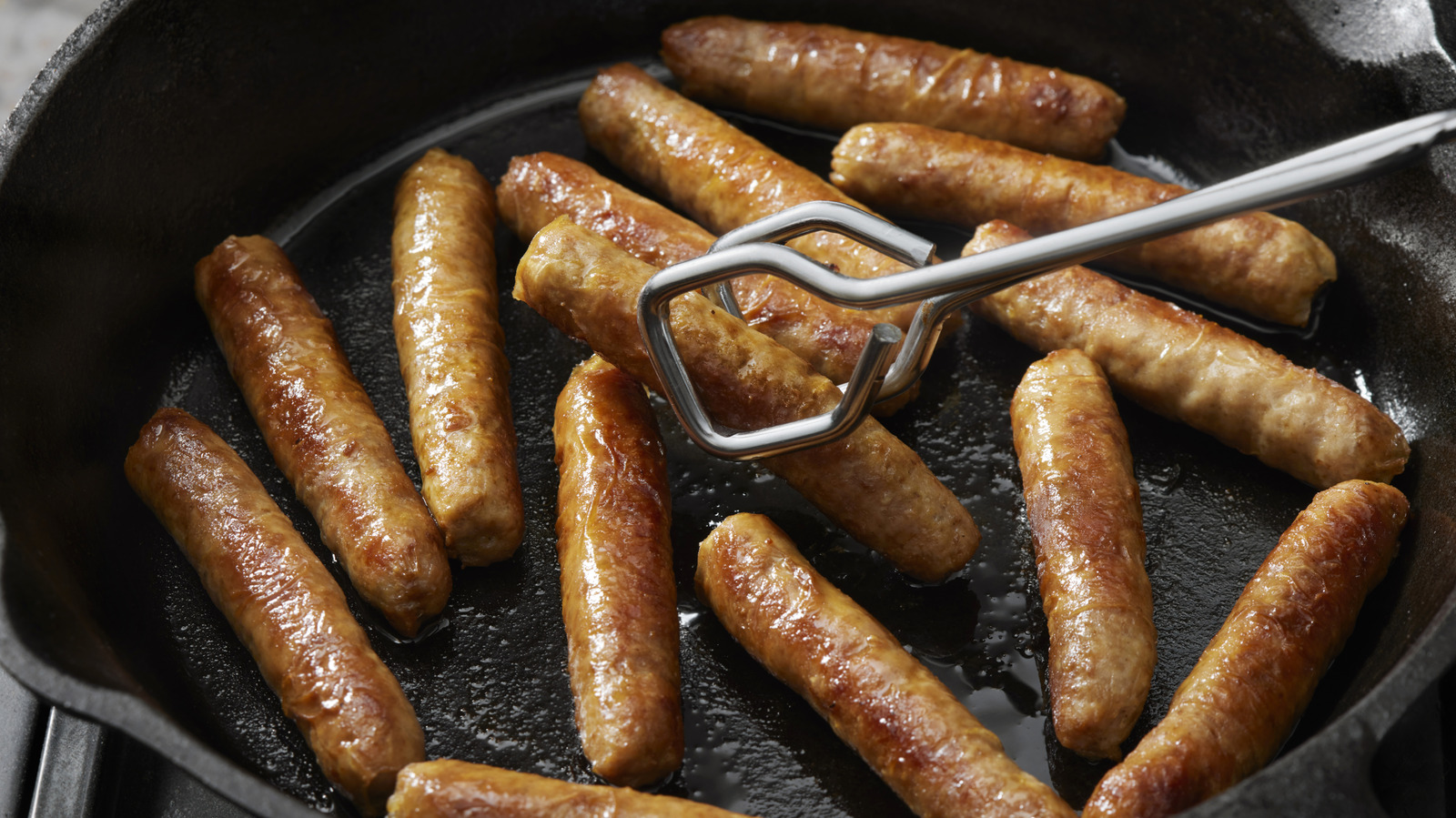
The U.S. Food and Drug Administration's early 2026 inquiry into BHA—a preservative used in breakfast sausages like those made by Bob Evans and Banquet—comes far too late and with far too little urgency. While the European Union has been investigating BHA as a potential endocrine disruptor since 2018, American consumers have had no such protection. The fact that we're only now formally examining a chemical that could affect reproductive health in both animals and humans represents a regulatory failure that demands immediate acceleration.
BHA and BHT have been staples in the processed meat industry for decades, with companies like Bob Evans using them to extend shelf life and maintain freshness in their mass-produced breakfast sausages. Yet the evidence of concern is mounting. BHA remains under investigation in Europe specifically because of its potential to disrupt endocrine function—our body's critical hormone-regulating system. BHT, meanwhile, is suspected of causing damage to the lungs, kidneys, and liver after repeated exposure, though the FDA has not yet launched formal studies. For families buying affordable breakfast options like Banquet's Brown 'N Serve sausages, which took last place on Food Republic's 2025 ranking of popular breakfast sausage brands, these preservatives are a daily dietary reality.
The contrast with higher-quality alternatives is striking. Brands like Applegate Organics, Pederson's Natural Farms, Primal Pastures, and Jones Dairy Farm have proven that breakfast sausages can be made without nitrates, nitrites, BHA, or BHT—and without sacrificing taste or affordability for consumers willing to pay slightly more. Pederson's even notes that nitrates and nitrites in processed meats have been linked with high blood pressure and other cardiovascular diseases, yet these preservatives remain common in budget brands.
The FDA must treat this inquiry with the seriousness it deserves. Rather than moving at the glacial pace typical of preservative reviews, the agency should accelerate its investigation and provide American consumers with answers before more families unknowingly expose themselves and their children to potentially harmful chemicals. If Europe has deemed BHA suspect enough to investigate since 2018, our regulatory agency should not be years behind in protecting public health.
Until the FDA acts decisively, consumers have a choice: pay more for sausages made with simple, clean ingredients from companies that prioritize transparency and animal welfare, or continue gambling with preservatives of uncertain safety. That's not really a choice at all—it's an indictment of a system that has allowed industry convenience to trump consumer protection for far too long.