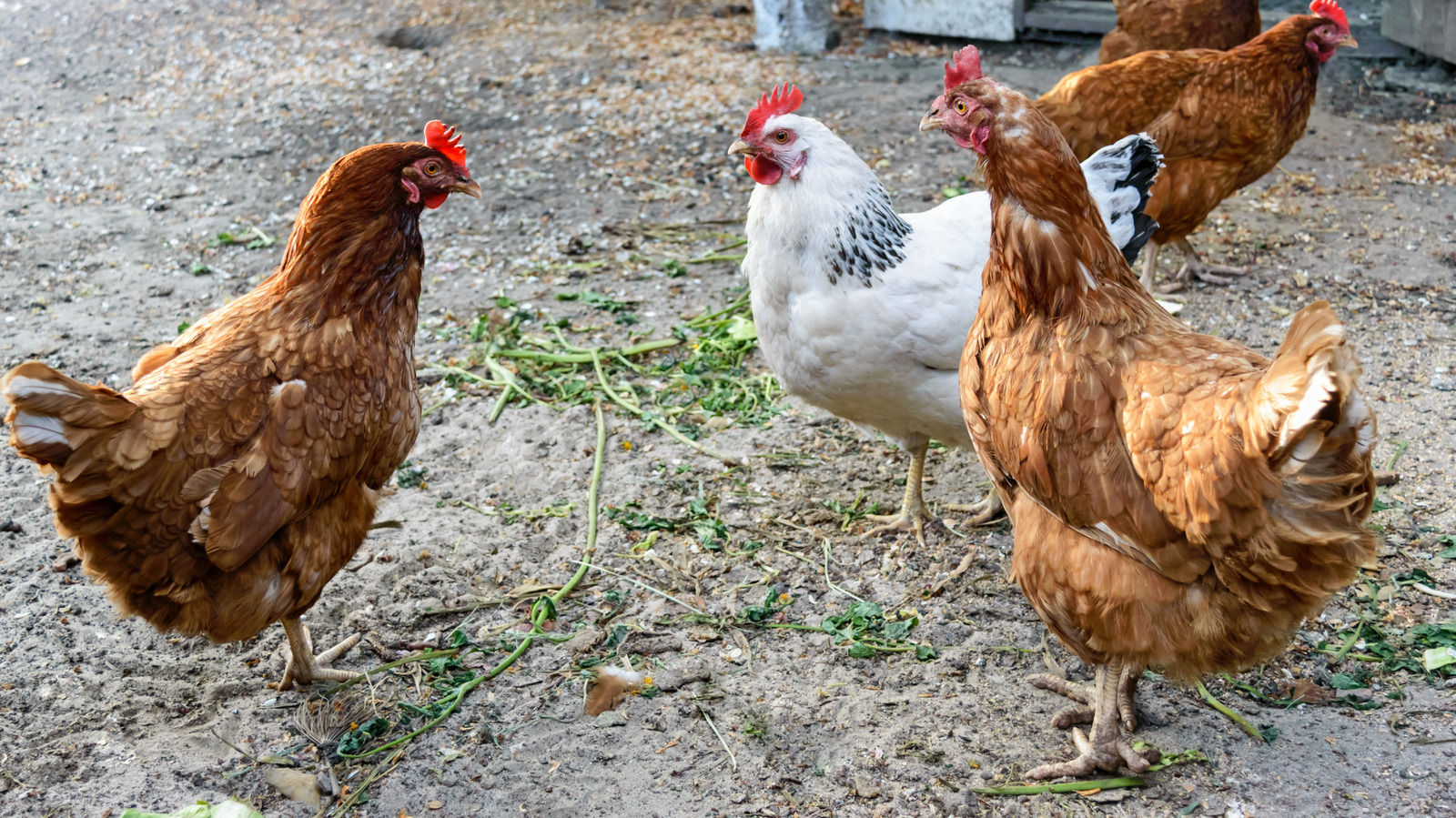
Yellow chicken skin comes from carotenoids, a pigment that accumulates in chicken fat when birds eat diets rich in grass, kitchen scraps, or corn. White skin results when chickens raised on processed feed get less of this pigment in their diet.
The color difference has nothing to do with freshness or spoilage. Genetics can influence skin color, but diet drives most of the variation between yellow and white birds.
A yellow-skinned chicken may taste more complex with slight gaminess if the bird grazed most of its life. Corn-fed breeds can develop more fat, making them taste richer. White-skinned chickens from conventional farming operations tend to be larger than free-range birds raised at a slower pace.
Skin color alone doesn't reliably indicate what a chicken ate. A plump white-skinned bird may have had a varied diet. The best way to assess fat content is to break down the bird and look for yourself.
Yellow-skinned birds work best when chicken fat becomes a specialty ingredient. Jewish communities use rendered chicken fat called schmaltz, often made from skin. For chicken skin crackling, yellow-skinned birds may need only salt and oven time to develop flavor, while white-skinned cracklings require more seasoning to match them.
Both white and yellow skin crackle well, but yellow skin delivers more chicken flavor on its own.