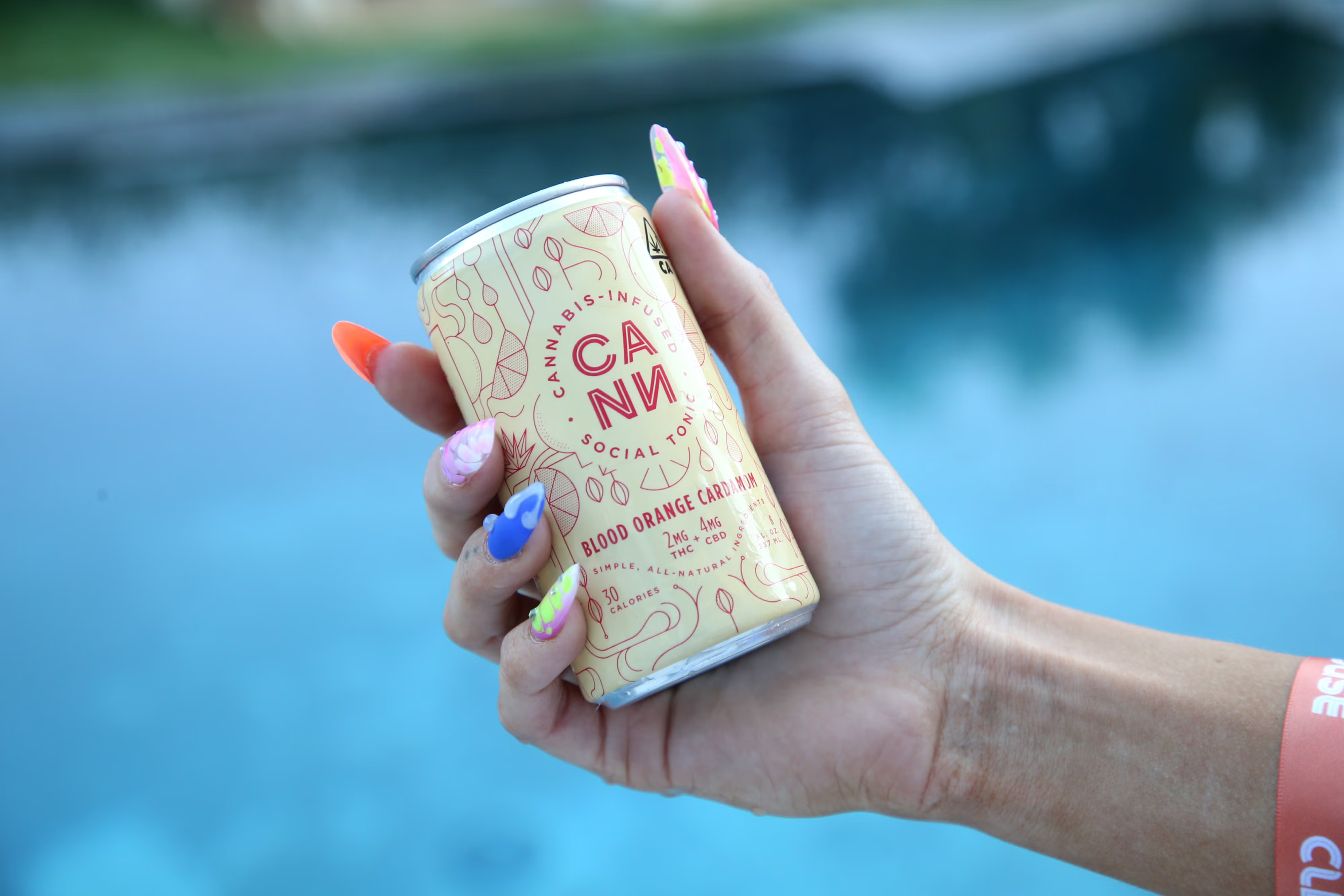
Congress passed legislation in 2025 that will narrow the federal definition of hemp, potentially eliminating most THC-infused drinks from the legal market. Starting December 11, hemp-derived cannabinoid products will be limited to 0.4 mg of total THC per container, down from the current standard that allows products with up to 0.3% delta-9 THC by dry weight. Restrictions on certain synthetic cannabinoids take effect November 12.
The THC drink market, now projected to reach $5.6 billion by 2035, faces decimation under the new rules. Industry leaders say the changes stem from lawmakers viewing intoxicating hemp products as an unintended consequence of the 2018 Farm Bill, which legalized hemp production and removed it from the Controlled Substances Act.
Joe Gerrity, CEO of Crescent Canna, and Mike Viellion, founder of Sip Elixirs, both advocate for regulation instead of restriction. Gerrity points to two bipartisan bills as alternatives. The Lawful Hemp Protection Act would establish national standards for labeling, age verification, serving limits, and FDA oversight. The Beverage Regulatory Parity Act focuses specifically on THC drinks, proposing a 21-plus requirement, Alcohol and Tobacco Tax and Trade Bureau oversight, potency limits, testing, and taxation.
Viellion notes that consumers have demonstrated demand for "responsible alternatives to alcohol" through THC beverages. Both executives encourage the public to contact representatives before December 11 to support regulatory frameworks over prohibition. According to Whitney Economics' U.S. Hemp Cannabinoid Report for 2026, if restrictions remain in place, roughly 225,000 jobs could be displaced and state sales-tax potential could decline by $2.1 billion. The report estimates roughly 50,000 hemp operators nationwide, with a majority potentially forced out of business.