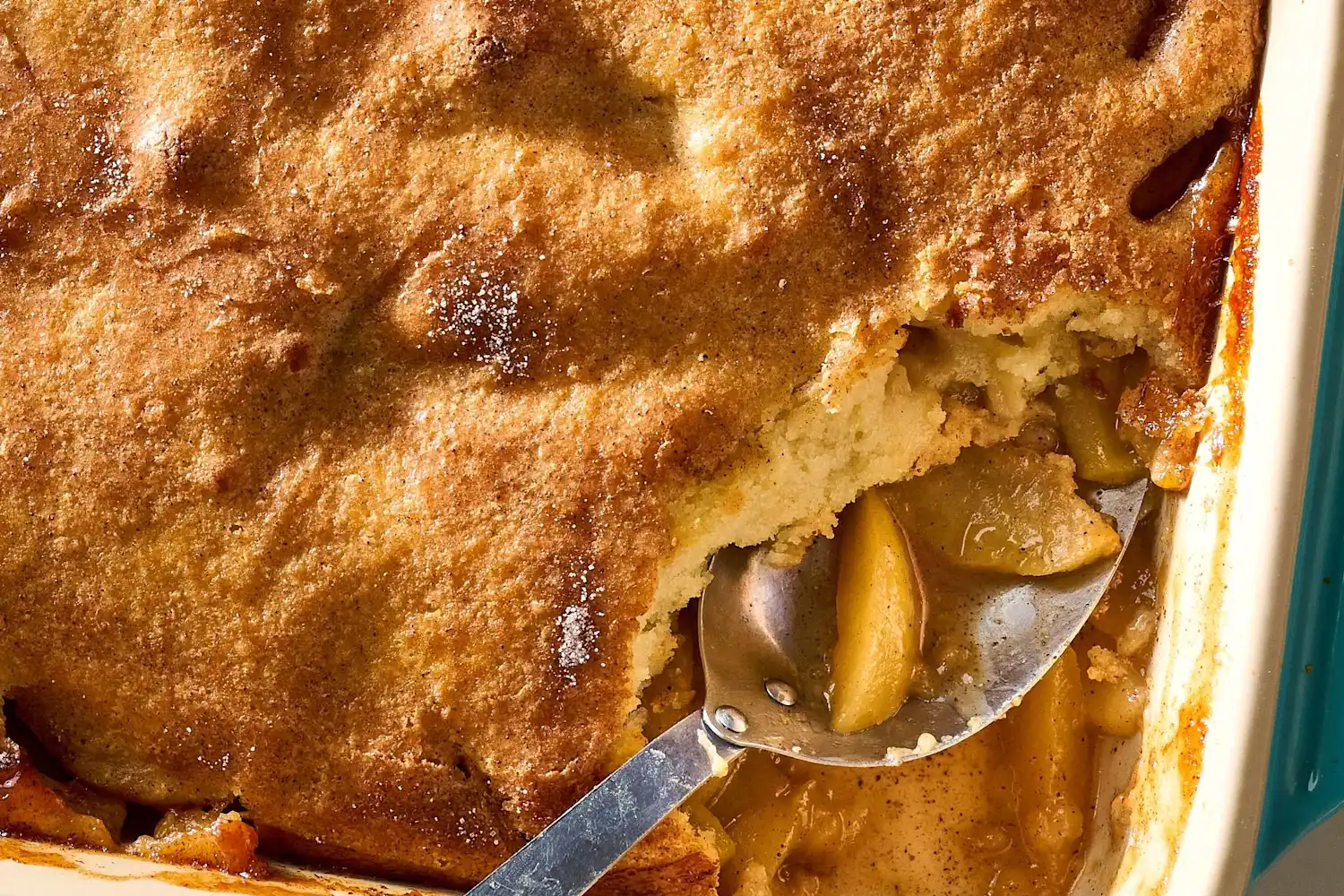
Apple cobbler sits at the sweet intersection of rustic comfort and seasonal abundance. The Kitchn's updated recipe approach reflects a smart shift in how home cooks handle this classic fall dessert.
The revised method starts where many home bakers miss an opportunity: the stovetop. By cooking the apple filling there first, the fruit releases its natural juices and softens slightly before hitting the oven. This step prevents a common cobbler pitfall. Undercooked apples result in watery filling that pools beneath the topping. Overcooked apples turn mushy. Starting on the stovetop gives you control over texture and concentration of flavor. The apples begin breaking down into jammy softness while their released liquid reduces. What reaches the oven already carries depth.
The topping itself receives equal attention in this revision. The cobbler topping requires only a whisk and a bowl. No pastry skills necessary. This matters because cobbler's appeal lies partly in its accessibility. Unlike pie, which demands dough handling and crimping edges, cobbler topping comes together in minutes. The whisk-together batter approach keeps the barrier to entry low. It also ensures even distribution of leavening agents. A properly whisked topping rises uniformly and browns with golden consistency across the surface.
Timing matters here. The practice of precooking the filling means the cobbler spends less time in the oven overall. The apples arrive ready to absorb heat. The topping bakes just long enough to set and brown without the fruit underneath turning to paste. Thirty to forty minutes in a 350-degree oven, rather than the hour-plus some recipes demand, means better texture throughout.
Apple season's window narrows each year. September through November offers peak flavor. Using fresh apples at their crisp, tart peak makes the difference between cobbler worth making twice and cobbler you make once. A mix of varieties works best. Granny Smith provides tartness and structure. Honeycrisp or Gala apples contribute sweetness and aromatic notes. Combining them creates complexity that single-varietal cobblers lack.
The fall dessert calendar fills quickly. Apple pie requires dough chilling. Apple cake batter needs time. Apple crumble toes the line between easy and involved. Apple cobbler, especially with the stovetop-first method, delivers maximum payoff for minimal effort. The topping emerges crispy on top, tender underneath. The filling sits thick and coherent rather than runny. The apples taste distinctly of apple, not stewed pulp.
Home bakers who've made this recipe before will notice the changes immediately. The stovetop step cuts oven time. The whisked topping simplifies technique. These refinements address real problems in the original. They also make the recipe more forgiving. Less time for things to go wrong. More margin for variation in oven temperature and apple variety.
Seasonal cooking thrives on this kind of iteration. A recipe improves not through abandonment but through repeated testing and small, purposeful adjustments. The Kitchn's revised cobbler represents that work. It signals that even beloved standards benefit from questioning and refinement.