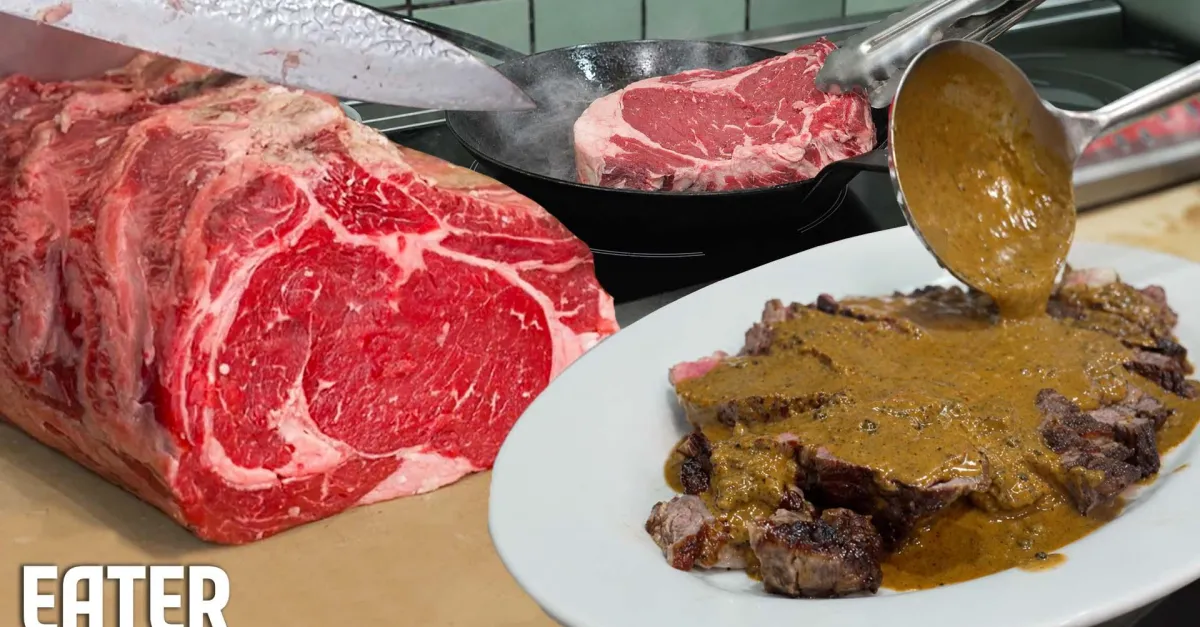
Justin Ahn and Alex McCoy have built a restaurant concept around radical constraint. Alfie's, their new permanent location in Washington, D.C., sells exactly five portions of curry steak frites each night. Nothing else. No substitutions. No second seatings. The dish combines northern Thai heat-packing cooking methods with locally sourced meat and produce from the DMV region.
The chefs arrived at this singular focus after years of experimentation. Alfie's began as a pop-up in Petworth in 2017, a testing ground for their culinary philosophy. Rather than settling into a traditional restaurant model, Ahn and McCoy took their concept global, running Alfie's as a traveling restaurant in New York and London. Each city offered new ingredient sources and dining audiences. This nomadic phase taught them what they valued most about their cooking: precision, intentionality, and an unyielding commitment to quality over volume.
The five-plate nightly limit signals a deliberate rejection of conventional restaurant economics. Most restaurants chase volume. More covers mean more revenue. Alfie's inverts this logic. By restricting output to five plates, Ahn and McCoy eliminate waste, ensure every ingredient reaches peak expression, and create genuine scarcity. Diners cannot simply walk in and order. The meal requires planning, intention, and genuine hunger for what these chefs have decided to cook that night.
This model echoes earlier restaurant trends like Noma's drop-in lottery system or Jiro's sushi counter in Tokyo, where reservation scarcity becomes part of the restaurant's cultural cachet. Yet Alfie's takes a different approach. Rather than creating scarcity through popularity alone, the chefs hardwire it into the business structure itself. Five plates means five conversations with customers. Five opportunities to refine a single dish. Five chances to execute without compromise.
The focus on northern Thai cooking methodology within a locally sourced framework creates an interesting tension. Northern Thailand's spice profiles, fermentation techniques, and heat applications require specific ingredient knowledge. Ahn and McCoy have adapted these methods to what the DMV produces, likely sourcing meat from regional butchers and vegetables from local farms. This localization does not mean diluting Thai authenticity. Instead, it demands deeper knowledge of both cuisines and more rigorous execution.
The D.C. market has proven receptive to this kind of specificity. The city's restaurant scene has shifted toward chef-driven concepts and ingredient-focused dining over the past decade. High-end counter-service spots, single-ingredient menus, and reservation-only venues have proliferated. Alfie's fits this trajectory while pushing further. The five-plate constraint feels almost monastic in its discipline.
Success for a five-plate restaurant depends entirely on execution. There is no hiding behind extensive menus or high volume. Every night, the same dish must justify its scarcity and price point. The curry steak frites either delivers transcendent flavor or it does not. This binary outcome separates Alfie's from restaurants with broader safety nets. The chefs have eliminated all hedging.
For diners, Alfie's represents something increasingly rare in American dining: a restaurant that prioritizes the meal itself over the experience of dining out. No theatrical plating. No Instagram moments. No wine list to debate. Just a single, meticulously considered dish built from imported Thai technique and local Washington ingredients.