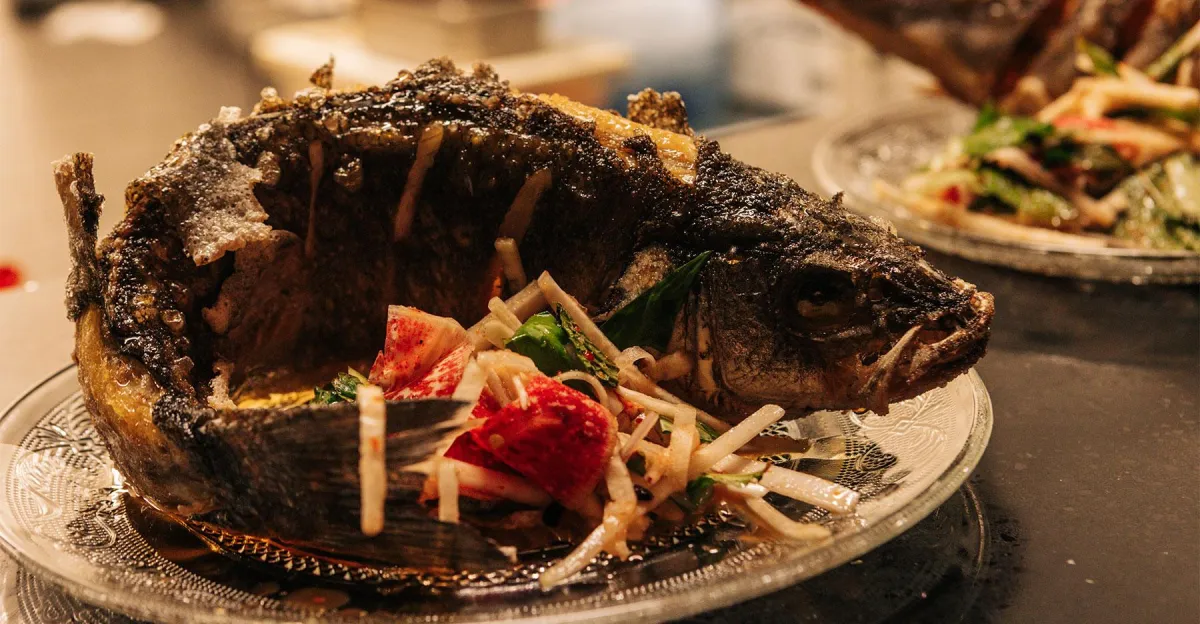
# Has Substitution Culture Gone Too Far? One Chef's Stand Against Endless Menu Customization
Chanita Chayaluk opened Taan, her Thai restaurant and wine bar in Chicago, with a clear vision: to elevate Thai cuisine beyond the familiar Americanized versions that dominate the city's dining landscape. That mission collides directly with a hospitality trend that threatens the integrity of her dishes. Substitution culture, the expectant accommodation of ingredient swaps and dietary modifications, has become so normalized that it challenges chefs who built their menus with precision and cultural intention.
The tension runs deep. Diners today arrive with an expansive list of requests. Hold the peanuts. Swap the fish sauce for soy. Replace the coconut milk with cashew cream. Each modification arrives not as a special request but as an entitlement. Restaurants have trained customers to expect infinite flexibility, and now many establishments find themselves trapped between respecting their culinary vision and maintaining customer satisfaction scores.
Chayaluk's position reflects a growing pushback among chefs who view their menus as carefully constructed narratives. Thai cuisine depends on balancing heat, sourness, saltiness, and umami. A dish designed with fish sauce as its salt component creates a flavor profile fundamentally different from one made with soy sauce or miso. Swap coconut milk for cashew cream and the texture shifts. Remove an ingredient entirely and the dish becomes something other than what the chef intended.
The economics of hospitality make pushback difficult. Labor costs remain high. Third-party delivery apps have squeezed margins. Maintaining customer happiness offers one reliable metric for survival. Turning away a diner's modification request feels counterintuitive in an industry where a one-star review can damage reputation.
Yet some chefs argue that endless accommodation dilutes what makes their restaurants worth visiting in the first place. If a dish can be endlessly reconstructed according to individual preference, why not just eat at home. The restaurant becomes a generic assembly station rather than a destination shaped by expertise and cultural knowledge.
This dilemma intensifies for immigrant chefs and those working within non-Western culinary traditions. These chefs often carry the responsibility of representing their food culture authentically. Chayaluk describes opening Taan partly to showcase Thai food "in a different light" after the first wave of Thai immigration to Chicago produced restaurants that catered heavily to American palates. The ability to maintain those intentions becomes harder when every plate must undergo customer-directed alterations.
Some restaurants have found middle ground. They offer substitutions for allergies and genuine dietary restrictions while declining modifications made purely from preference. Others charge premium prices for off-menu items or limit substitutions to specific components. A few high-end establishments simply state their position: the menu is non-negotiable, take it or don't.
The question facing the hospitality industry extends beyond individual restaurants. It touches on what diners expect from eating out, what chefs owe their customers, and whether restaurants remain places where expertise shapes the experience or merely platforms for individualized consumption.
Chayaluk's stand at Taan reflects a quiet rebellion among chefs tired of watching their carefully composed dishes get remade into something unrecognizable. That rebellion will only grow if the industry remembers that sometimes, the best restaurants are the ones that know what they're doing and trust diners to trust them back.