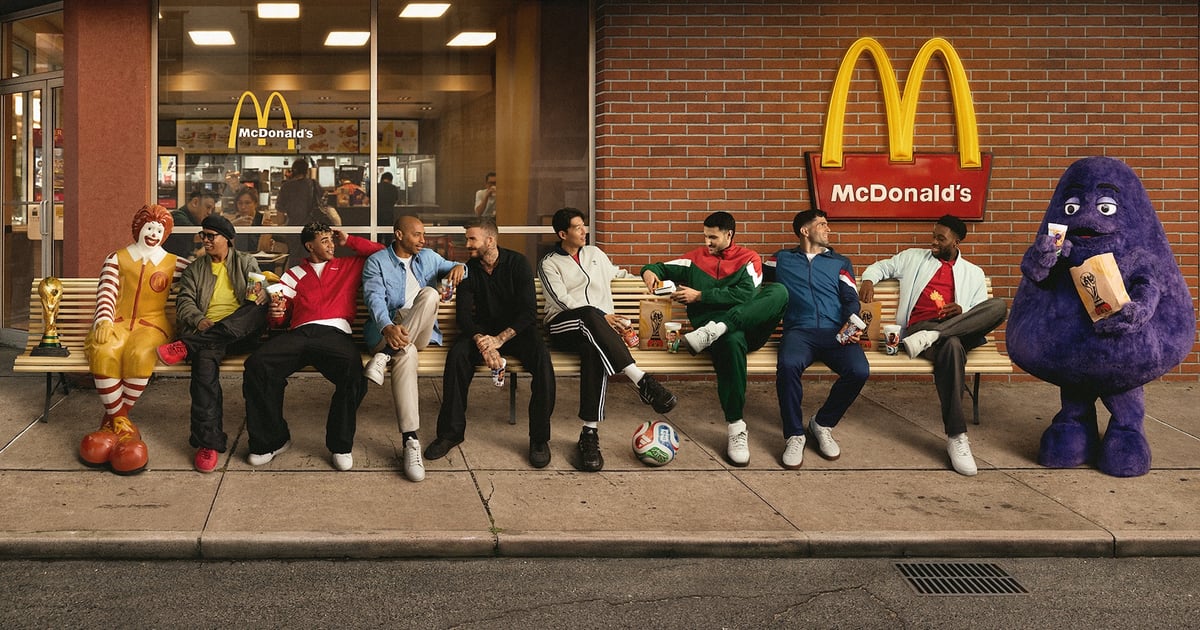
McDonald's has ended one of the longest commercial partnerships in sports history. The fast-food chain will no longer sponsor FIFA's World Cup after more than three decades of continuous investment in the tournament. This marks a seismic shift in how the global governing body of soccer finances its flagship event.
The decision reflects broader changes in how major brands approach mega-events. McDonald's spent billions underwriting World Cup campaigns since 1994, when the tournament landed in the United States. That sponsorship made the Golden Arches synonymous with the tournament across multiple generations and dozens of countries. Kids collected World Cup-themed toys at McDonald's. Adults associated the brand with the sport's greatest competition.
Several factors appear to have driven this pivot. First, FIFA's reputation took massive hits following corruption scandals, bribery allegations, and investigations into how host nations were selected. The organization faced sustained criticism over labor practices in Qatar during the 2022 World Cup and environmental concerns tied to infrastructure projects. Sponsors face reputational risk when attaching their brands to controversial organizations.
Second, McDonald's corporate strategy has shifted. The company faces pressure to rebuild its health-conscious image after decades of criticism over ultra-processed foods and marketing to children. Walking away from a high-profile sponsorship tied to entertainment and youth engagement sends a message about changing priorities, even if the brand still serves billions of meals annually to families worldwide.
Third, the economics of sports sponsorships have changed. Digital advertising and social media allow brands to reach audiences without expensive traditional partnerships. A McDonald's ad campaign can go viral for a fraction of what major sponsorships cost. Companies now scrutinize whether massive World Cup deals actually drive sales or simply build nostalgia.
The decision also reflects how soccer itself has evolved. Women's World Cups have grown in viewership and commercial appeal. Regional tournaments compete harder for sponsorship dollars. Streaming services now hold broadcast rights, fragmenting the unified television audiences that made FIFA's marketing packages so attractive decades ago.
For FIFA, losing McDonald's creates a revenue problem and signals weakness to other corporate partners. The organization generates roughly half its budget from sponsorships. If marquee brands like McDonald's exit, it pressures FIFA to either find replacement sponsors, potentially lowering standards for corporate partners, or reduce spending on tournament operations.
The sponsorship gap also opens opportunities for competitors and emerging brands. Brands targeting health-conscious consumers or emphasizing sustainability may find FIFA's needs align better with their positioning than McDonald's does currently.
McDonald's departure after 30 years represents a natural end point for a different era in sports marketing. Brands built empires on World Cup sponsorships when global television audiences provided no alternative. Today's fractured media landscape, combined with FIFA's reputational challenges and McDonald's own brand repositioning, made the continuation of this partnership increasingly difficult to justify to shareholders and consumers alike. The fast-food giant's exit signals that even the world's most prestigious sporting events cannot assume permanent corporate loyalty.