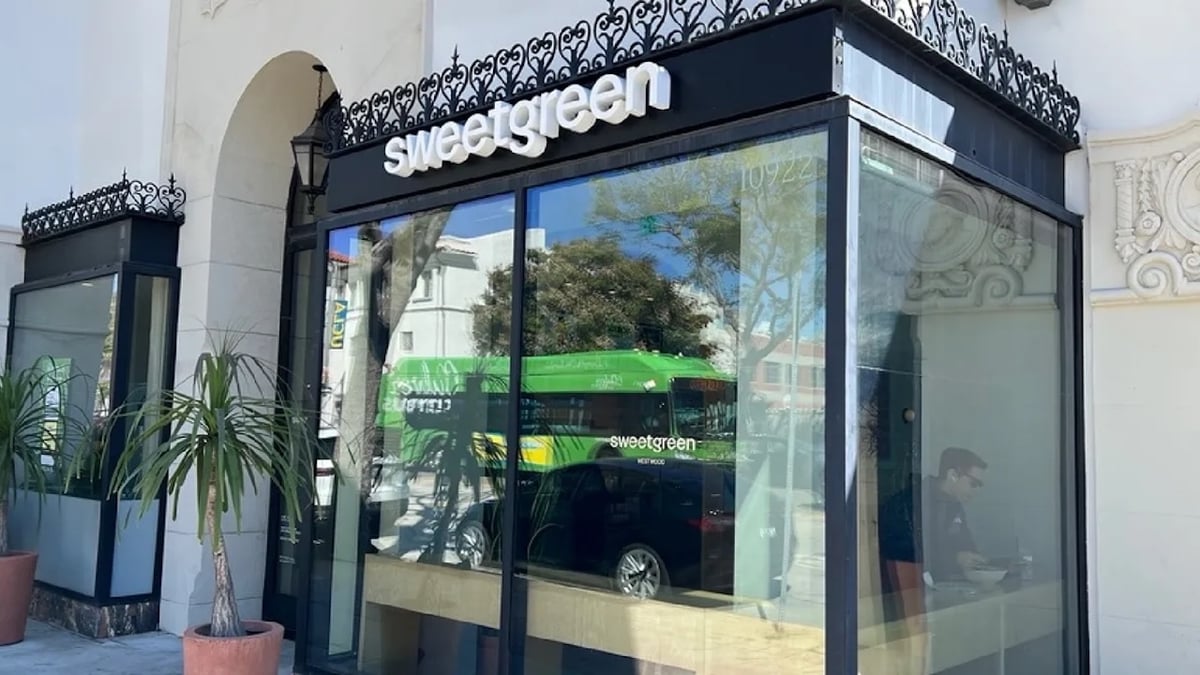
John Karangis, who previously led culinary operations at Shake Shack, has joined Sweetgreen as head of culinary. The appointment marks a significant talent shift in the fast-casual dining sector, where chef movement between brands often signals strategic menu evolution.
Karangis brings a track record of building distinctive flavor profiles within high-volume restaurant settings. At Shake Shack, he worked within the constraints and possibilities of a burger-focused concept, developing consistency across hundreds of locations. That operational discipline transfers directly to Sweetgreen's salad-first model, where ingredient sourcing and preparation consistency matter as much as taste.
His new role extends beyond the kitchen. Karangis will collaborate with marketing, operations, and suppliers to develop new menu items. This cross-functional responsibility reflects how modern fast-casual chains operate. A head of culinary no longer works in isolation. They orchestrate between the supply chain (ingredient sourcing and pricing), operations teams (feasibility at scale), and marketing (how dishes sell to consumers).
For Sweetgreen, the hire addresses a competitive pressure. The salad chain has expanded aggressively, but menu innovation slows when you lack dedicated culinary leadership. Competitors like Cava have invested heavily in chef-driven development. Dig offers Mediterranean bowls with rotating seasonal specials. Sweetgreen needed someone who could architect new dishes while respecting the brand's farm-to-table positioning and fast-casual operational realities.
Karangis enters a brand navigating post-pandemic challenges. Sweetgreen went public in 2021 and faced stock volatility. Same-store sales growth matters now. New menu items drive traffic, especially at mature locations. A fresh salad or bowl from a proven chef recruits lapsed customers back to the register.
The operational angle cannot be overlooked. Sweetgreen operates in a tight supply chain. Fresh greens and proteins require forecasting, storage logistics, and spoilage management. Karangis must develop dishes that taste innovative but won't break supplier relationships or kitchen workflows. A beautiful dish that takes too long to assemble fails in a fast-casual format.
His appointment signals Sweetgreen's confidence in menu-led growth. Rather than relying purely on expansion into new cities, the chain invests in keeping existing customers engaged. Menu rotation, limited-time offers, and seasonal specials drive repeat visits. At Shake Shack, Karangis worked within this model. He understands how to create urgency around new offerings.
The hire also reflects broader industry trends. Fast-casual chains increasingly poach talent from fast-food and casual-dining chains. These chefs bring systems thinking along with culinary skill. They know how to scale without sacrificing flavor. They understand food costs, prep times, and consumer preferences at volume.
Sweetgreen competes in a crowded space. Chipotle dominates bowls through customization. Panera owns the salad-adjacent space through scale. Cava offers Mediterranean authenticity. Sweetgreen's differentiation rests on sourcing quality and menu creativity. Karangis provides the creative fuel. His supplier collaboration ensures those ingredients stay fresh and accessible.
The timing matters too. Consumers increasingly scrutinize fast-casual quality after years of pandemic disruption. Karangis arrives when dining trends favor personalization and transparency. His track record suggests he builds dishes customers remember and crave.