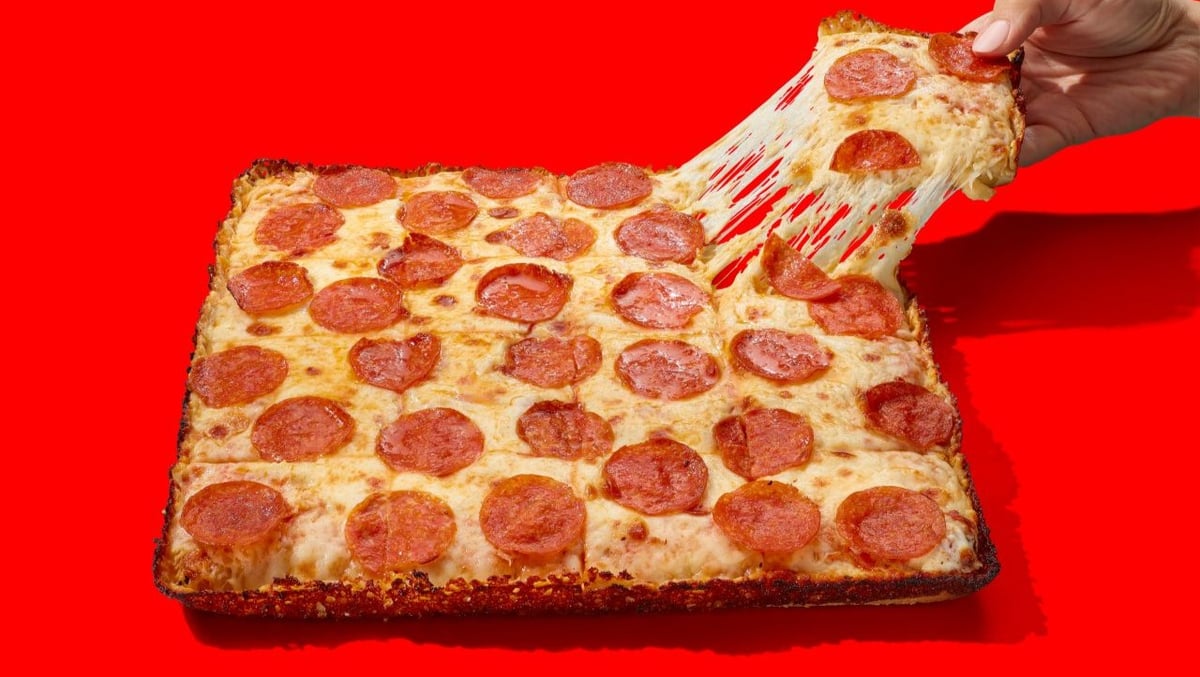
Casey's General Stores, the Iowa-based convenience store giant with over 2,600 locations across the United States, is escalating its assault on traditional quick-service pizza chains. The company just introduced its first pan pizza offering, marking an aggressive expansion into a category where it has already captured meaningful market share.
The move reflects a broader shift in how consumers approach casual dining. Casey's has spent the past several years building out its food program, transforming its image from a fuel-and-snacks pit stop into a legitimate destination for hot meals. Pizza became the cornerstone of this strategy. The chain offers made-to-order pies at a fraction of the price of Domino's, Pizza Hut, or local pizzerias, with the added convenience of being everywhere fuel customers already stop.
Now the pan pizza launch signals Casey's intent to compete directly with Pizza Hut's signature product category and emerging pizza concepts like Blaze and Fired Pie. Pan pizzas command premium pricing compared to traditional thin-crust varieties. They also demand higher ingredient costs and longer bake times, but they deliver thicker, chewier crusts that appeal to consumers seeking a more indulgent experience.
The timing proves strategic. QSR pizza chains have struggled with labor costs, delivery logistics, and changing consumer preferences for quick, affordable meals. Casey's operates under a different model. Its locations function as anchor tenants drawing regular traffic for fuel purchases. Pizza orders become incremental revenue that doesn't require separate delivery infrastructure or a dedicated marketing budget. The convenience store captures the entire transaction when a customer fills up a tank and grabs a pie.
This isn't Casey's first pizza play. The chain has steadily upgraded its pizza program over the past decade, investing in better ovens, ingredient sourcing, and staff training. The pan pizza launch represents a natural evolution, expanding the menu to capture price-conscious consumers trading down from branded QSR chains while also appealing to existing customers seeking variety.
The broader category dynamics favor Casey's. Pizza remains America's favorite quick-service food by order volume, generating over $145 billion in annual sales. Yet traditional pizza chains face consolidation pressure and changing unit economics. Domino's, the market leader, has pivoted toward technology and delivery optimization. Local pizzerias compete on quality but lack scale. Casey's operates in the white space between these two extremes, offering decent product at attractive prices with unmatched convenience.
For consumers, this competition benefits the wallet. Downward pricing pressure on pizza accelerates when established players like Casey's invest aggressively in a category. The pan pizza launch also signals to other convenience store operators like Speedway and Pilot that food innovation matters. Expect the sector to intensify food offerings across the board, from better hot sandwiches to rotating seasonal items that keep customers returning beyond fuel purchases.
Casey's pan pizza enters a market where execution determines success. The chain must train staff consistently across thousands of locations and maintain quality standards that match or exceed QSR competitors. If Casey's delivers on both fronts, it signals the beginning of the end for traditional pizza delivery as the default consumer choice for casual pizza meals.