# The Behind-the-Scenes Trend Reshaping How Restaurants Tell Their Stories
Television coverage of restaurants has shifted. The days of pure competition shows and celebrity chef spectacles are fading. What's emerging instead captures something messier, more authentic, and far more compelling: the actual work of building a restaurant from scratch.
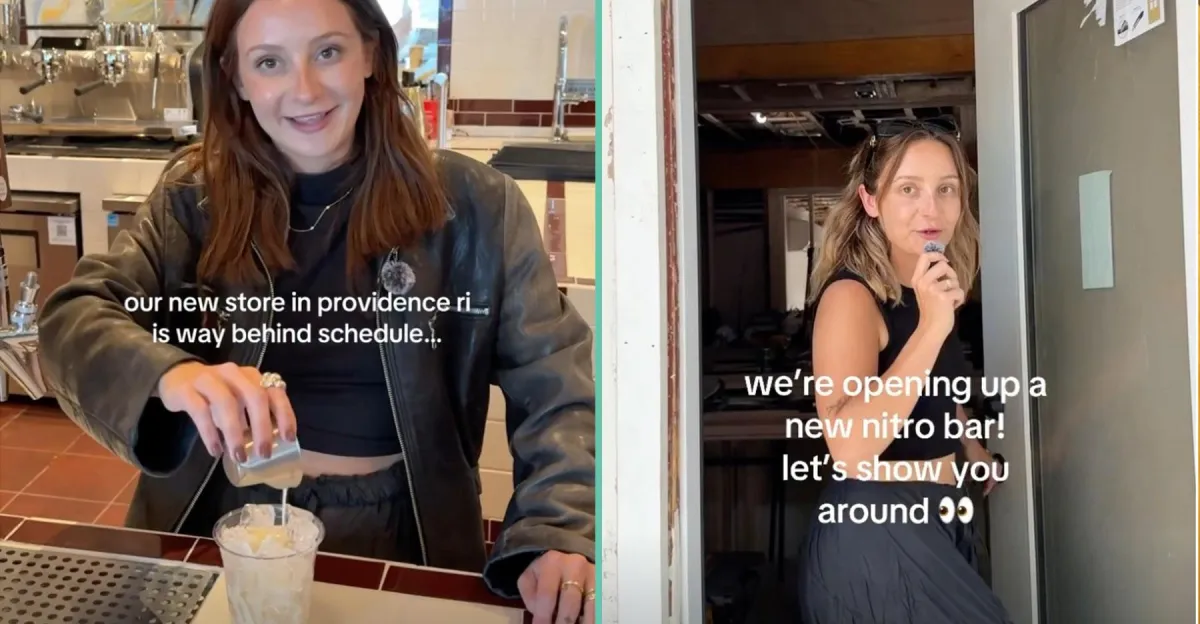
This new wave of content, which Eater calls "Making the Restaurant" series, tracks the unglamorous journey from concept to opening night. Cameras follow owners navigating contractor disputes, menu testing disasters, staffing crises, and the thousand small decisions that separate a successful launch from a costly failure. These shows don't rely on dramatic elimination rounds or manufactured tension between hosts and contestants. The drama comes from reality.
The appeal runs deep in hospitality culture right now. After years of watching Gordon Ramsay berate line cooks or celebrity chefs compete for prize money, industry professionals crave accuracy. They want to see how restaurants actually operate. Emerging hospitality workers watch these series to understand what they're signing up for. Owners study them for tactical insights. Investors examine them to learn what goes wrong.
This content speaks directly to the current restaurant landscape, where margins remain razor-thin and openings require enormous capital. A show that documents how a chef sources local suppliers, negotiates with landlords, designs kitchen workflow, and trains staff from day one offers real value. It's education disguised as entertainment.
The trend also reflects broader changes in how restaurants market themselves. Social media has democratized visibility. Any restaurant can now reach customers directly through Instagram, TikTok, and YouTube. A restaurant that participates in a "Making the Restaurant" series gains substantial media coverage while building narrative around its identity. It's not just selling food. It's selling the story of why the restaurant exists, who built it, and what makes it different.
For networks and streaming platforms, these shows fill a genuine audience gap. Food content has exploded, but most of it clusters around either high-end culinary entertainment or lifestyle wellness messaging. Nobody was consistently documenting the messy middle where most restaurants live. The 5-person team opening a 40-seat neighborhood restaurant. The chef pivoting their concept mid-development. The owner discovering they're $200,000 over budget.
This format also works economically for production. You don't need elaborate sets or recreations. The restaurant itself is your location. The drama unfolds naturally across months of real development. Crew sizes stay smaller. The finished product feels intimate and urgent in ways that traditional food television often struggles to achieve.
What makes this trend sustainable is its applicability across different concepts and cuisines. A fine dining establishment in Manhattan, a taco shop in Austin, a noodle bar in Los Angeles, a farm-to-table restaurant in Vermont. Each story differs completely, but the underlying tension remains constant. Can this team execute their vision? Will customers respond? Can they survive the first year?
For the hospitality industry specifically, these shows serve as both warning and inspiration. They're unflinching about failure rates and the personal costs of restaurant ownership. They're equally clear about the rewards: community, creative expression, and the tangible satisfaction of feeding people something they'll remember.
The format appears poised to expand. As traditional food television ages and tastes shift toward authenticity, networks will continue greenlighting more "Making the Restaurant" projects. The restaurants themselves win through visibility and brand building. Audiences get education wrapped in genuine stakes. That alignment suggests this trend will persist well beyond its current moment.