# Josh Hunt's Seafood Transformation at Cordelia Fishbar
Josh Hunt abandoned the classroom to chase seafood. The executive chef at Cordelia Fishbar swapped lesson plans for fish mongers, and his menu reflects a chef who treats the ocean's catch with scholarly precision.
Hunt's pivot from teaching to fine dining represents a growing trend among chefs who enter the profession midcareer, bringing methodical thinking to ingredient selection and technique. At Cordelia Fishbar, this deliberation shapes every plate. Rather than chasing trends, Hunt sources directly and builds his menu around what the suppliers bring. He names his purveyors. He understands their seasons. This approach demands restaurant staff who can explain provenance, not just recite descriptions.
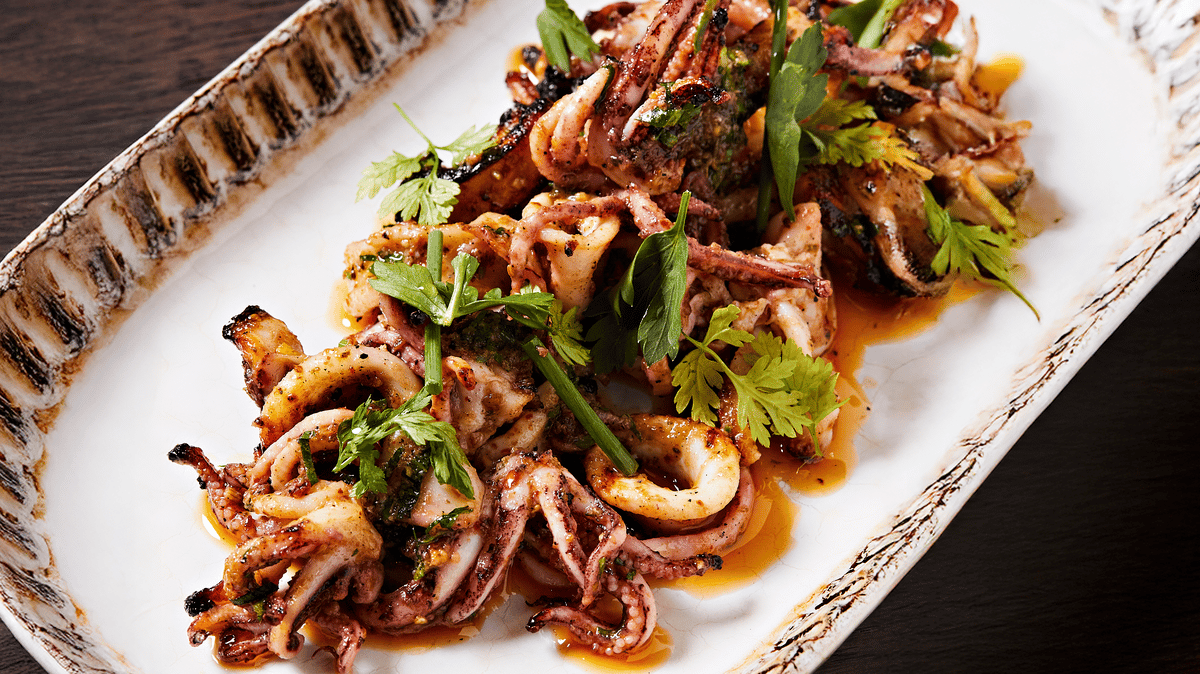
The seafood at Cordelia Fishbar breaks from the heavy-handed saucing common in coastal American restaurants. Hunt favors simplicity. A piece of halibut arrives with nothing between diner and fish but heat, salt, and restraint. His raw preparations showcase texture. Crudo platters feature local species prepared with acidic balance and olive oil that doesn't hide its quality. Shellfish receives similar respect. Scallops stay tender because they spend minimal time on heat. Oysters appear grilled, topped with brown butter and herbs, the cooking method determined by the oyster's size and origin, not whim.
The menu rotates with market realities. Winter brings different fish than summer. Hunt plans appetizers and mains around this fact rather than fighting it. This creates genuine seasonality at Cordelia Fishbar, a practice many restaurants claim but few execute honestly.
Hunt's teaching background emerges in how he structures the dining experience. The menu includes descriptions that educate. Servers trained under him can discuss the difference between hand-lined and net-caught fish. They understand why a particular preparation suits specific species. This educational layer transforms a meal into a learning opportunity without becoming pretentious.
The restaurant operates within tight margins. Fresh seafood costs more than proteins with longer shelf lives. Labor-intensive preparations don't yield higher prices. Hunt manages this tension by limiting his menu, reducing waste through precise ordering, and training his kitchen to work efficiently. A smaller, focused menu means fewer ingredients spoil. It means his cooks develop mastery through repetition rather than scrambling through 40 preparations nightly.
Cordelia Fishbar signals a shift in fine dining seafood service. Hunt's restaurant competes not through novelty but through obsessive execution and transparency. He knows his suppliers' names. His cooks understand why they're prepping fish a certain way. His servers can defend every menu choice. This rigor appeals to diners fatigued by restaurants where technique hides mediocre ingredients.
The restaurant also reflects broader awareness that overfishing remains a crisis. Hunt partners with sustainable purveyors. He sources from day boats when possible. He avoids endangered species. These decisions cost money. Customers pay for them in menu prices. Hunt accepts this trade because the alternative conflicts with his values.
His journey from classroom to kitchen illustrates how career changes inject fresh thinking into established industries. Teaching trained Hunt to communicate complex ideas simply. Restaurant work demands exactly this skill when you're explaining to guests why they paid more for a smaller fish caught using better methods.