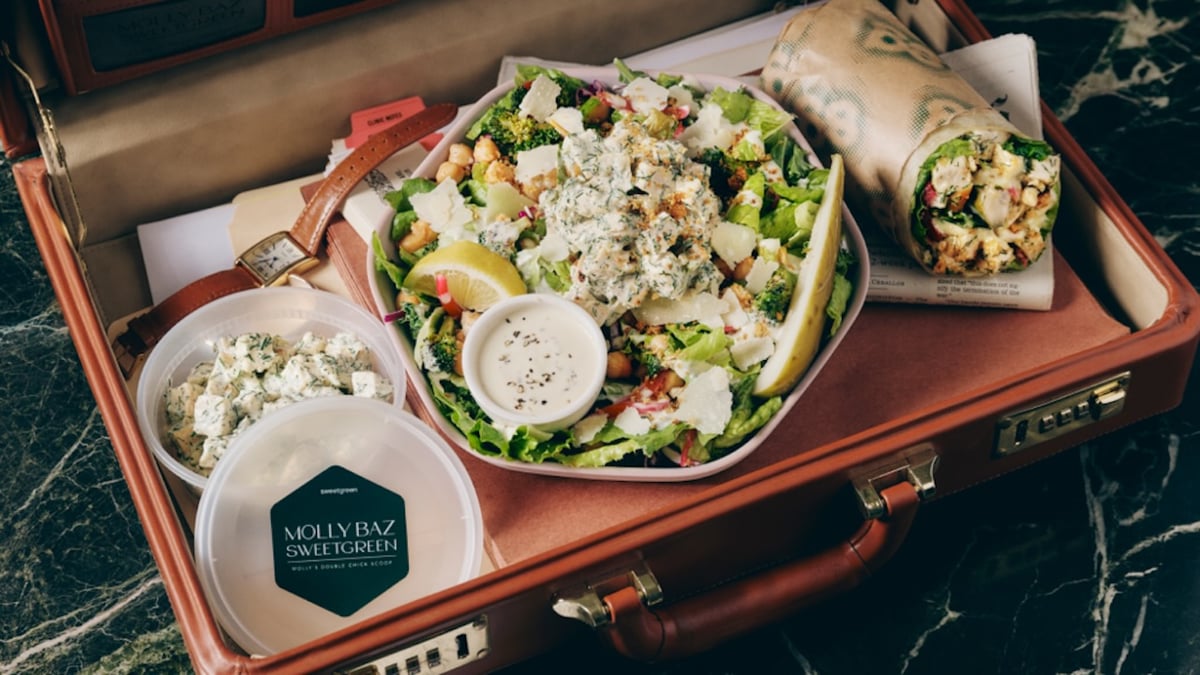
Molly Baz, the cookbook author and former Bon Appétit test kitchen director, is partnering with Sweetgreen to launch the chain's inaugural Chef in Residence program. The collaboration brings Baz's distinctive approach to plant-forward cooking into Sweetgreen's 200-plus locations through a "Lunch Means Business" campaign centered on pickle-forward chicken salad offered three ways.
Baz's three-iteration chicken salad concept reflects her known style: accessible yet ingredient-driven. Sweetgreen frames the partnership around elevating lunch culture, positioning midday eating as worthy of the same thoughtfulness that dinner commands. The campaign appears designed to boost Sweetgreen's chicken-based offerings while leveraging Baz's reputation as a voice for modern, unfussy cooking.
This move signals how fast-casual chains compete for relevance in an increasingly crowded market. Sweetgreen, which operates in major metropolitan areas and has faced pressure from both QSR giants and emerging concepts, uses guest chefs to build cultural cache and attract food-conscious consumers. Chef residencies have become a strategy tool across hospitality: they create limited-run menu excitement, generate social media momentum, and lend credibility to chains often dismissed as glorified quick-service.
Molly Baz brings meaningful credentials to the role. Her 2021 cookbook "Cook This Now" earned respect for its democratic approach to weeknight cooking. She built her profile through Bon Appétit's social media ecosystem before the publication's staff exodus in 2020, then pivoted to independent work including YouTube content creation. Her voice resonates with millennials and Gen Z consumers who value transparency about ingredients and process.
The pickle-forward angle matters too. Pickled elements have dominated restaurant menus for five years, moving from side garnish to central flavor profile. In chicken salad specifically, acid cuts through richness while adding complexity. By naming pickles front-and-center, Baz and Sweetgreen tap into both trendy flavor logic and home cooking intuition.
Sweetgreen's timing reflects broader lunch trends. During pandemic recovery, chains struggled to rebuild midday traffic as remote work persisted. Now, with offices reopening and hybrid schedules stabilizing, restaurants recognize lunch as recoverable revenue. But lunch competes against meal prep culture, office cafeterias, and home-packed meals. A celebrity-backed menu item provides reason to choose Sweetgreen over these alternatives.
The partnership's scope remains unclear from available details. Whether Baz appears in advertising, develops additional menu items, or maintains ongoing creative input determines the program's actual weight. True chef residencies involve visible presence and narrative arc. Surface-level celebrity attachment disappoints engaged diners who spot formulaic collaborations.
Sweetgreen's positioning around sustainability and quality sourcing aligns with Baz's values, which strengthens the pairing's authenticity. Both emphasize ingredient provenance and technique over shortcuts. This contrasts with residencies that feel purely transactional.
The chicken salad launch tests whether personality-driven menus move the needle at volume. Sweetgreen operates at fast-casual scale and price point, not fine dining. Baz's home cooking philosophy should translate here better than would a Michelin-focused chef's esoteric vision. If the collaboration drives trial and repeat traffic, expect Sweetgreen to announce additional residencies. If it underperforms, the model may not crack the fast-casual code.