# Ibérico Pork Transforms a Skeptic's Palate at Campo Grande
The tagline stuck: "the Wagyu of pork." A food writer walked into Campo Grande convinced it was hype. They left a convert.
Ibérico pork, the cured and fresh meat from black Iberian pigs raised across Spain and Portugal, commands prices that rival Japanese wagyu. The animals graze on acorns and wild grasses, a diet that marbles their meat with intramuscular fat. That fat renders during cooking, delivering tenderness that surpasses what conventional pork achieves.
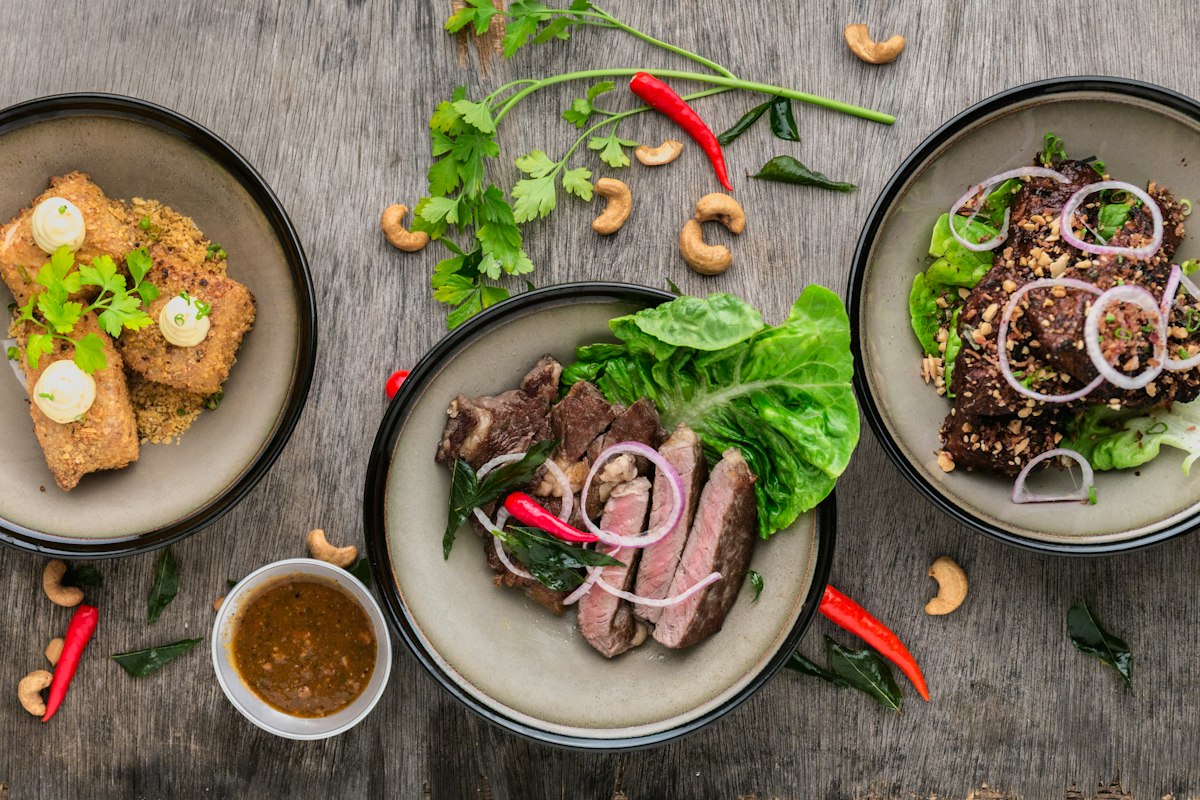
The difference becomes obvious on the plate. Standard pork, lean and often dry, requires technique to prevent overcooking. Ibérico pork tolerates longer heat without toughening. The meat stays supple. The fat bastes from within. Flavor runs deeper, earthier, almost nutty.
Campo Grande, the restaurant behind this tasting, specializes in Spanish cuisine with Ibérico pork at its center. The kitchen sources from specific producers known for animal welfare and sustainable grazing practices. This traceability matters. Not all Ibérico pork tastes equal. The best comes from pigs raised in dehesa forests, where acorn consumption defines the final product's character.
Ibérico jamón, the cured ham, offers a different experience than fresh pork. The aging process concentrates flavors, creates a silky texture, and produces an umami punch. Jamón Ibérico de Bellota, the top tier, costs between $80 and $200 per pound at retail. A single slice melts on the tongue. Professional tasters detect notes of hazelnut, fig, and sea salt.
Fresh Ibérico pork follows a similar premium path. A single ribeye or secreto cut costs $40 to $60 per portion at high-end restaurants. The secreto, a small muscle hidden between the shoulder and loin, becomes particularly tender and flavorful when sourced from Ibérico animals. Home cooks paying $30 to $50 per pound for retail cuts face a calculation: does this meat justify the price over commodity pork at $8 to $12 per pound.
The answer depends on execution and expectation. A perfectly seared Ibérico pork chop, cooked to medium, will outperform a standard pork chop cooked identically. The muscle structure differs. The fat composition differs. The eating experience shifts into another category.
What's happening in restaurants like Campo Grande reflects a broader shift in American dining. Chefs source ingredients with unprecedented specificity. Wine regions matter. Animal breeds matter. Production methods matter. The farm-to-table movement evolved into farm-identified cuisine, where diners know not just what they eat but where it came from and how it lived.
For Ibérico pork specifically, supply remains constrained. The European Union limits production to protect the product's origin designation. Most Ibérico pork still comes from Spain and Portugal. American producers raise Ibérico-cross pigs, blending Ibérico genetics with other heritage breeds, but purists insist authentic Ibérico comes from Iberia itself.
The writer's conversion matters because it signals something shifting in meat preferences. For decades, beef wagyu dominated the luxury meat conversation. Ibérico pork challenges that hierarchy. It costs less than top-tier wagyu yet delivers comparable tenderness and superior umami depth. As diners become more experienced and adventurous, pork stops meaning casual weeknight eating.