# Coffee Day Perks: Restaurants Deploy Free Brews and Creative Flavors to Drive September Traffic
National Coffee Day arrives as a golden marketing opportunity for restaurants eager to boost foot traffic during the transition between summer and fall. This year, chains and independents are rolling out aggressive promotions that go well beyond the standard free cup.
The promotions span price cuts, limited-edition beverages, and bundled deals. Starbucks traditionally anchors the conversation around National Coffee Day, though the scope this year extends across quick-service chains, casual dining establishments, and independent coffee roasters competing for attention on a single calendar date.
Free coffee remains the headline draw. Dunkin' continues its playbook of complimentary espresso-based drinks to loyalty app members, a tactic that drives digital engagement and collects customer data. McDonald's positions its McCafe line as a budget-friendly alternative, capitalizing on coffee drinkers seeking value. Regional players like Caribou Coffee and Peet's Coffee deploy their own mechanics to convert traffic into repeat visits.
New flavors anchor the creative side. Chains launch seasonal variations that test consumer appetite before broader rollout. Salted caramel cold brews, pumpkin spice innovations (an early autumn signal), and oat milk variations reflect shifting taste preferences and dietary accommodations. These limited offerings create urgency and social media buzz that free baseline coffee alone cannot generate.
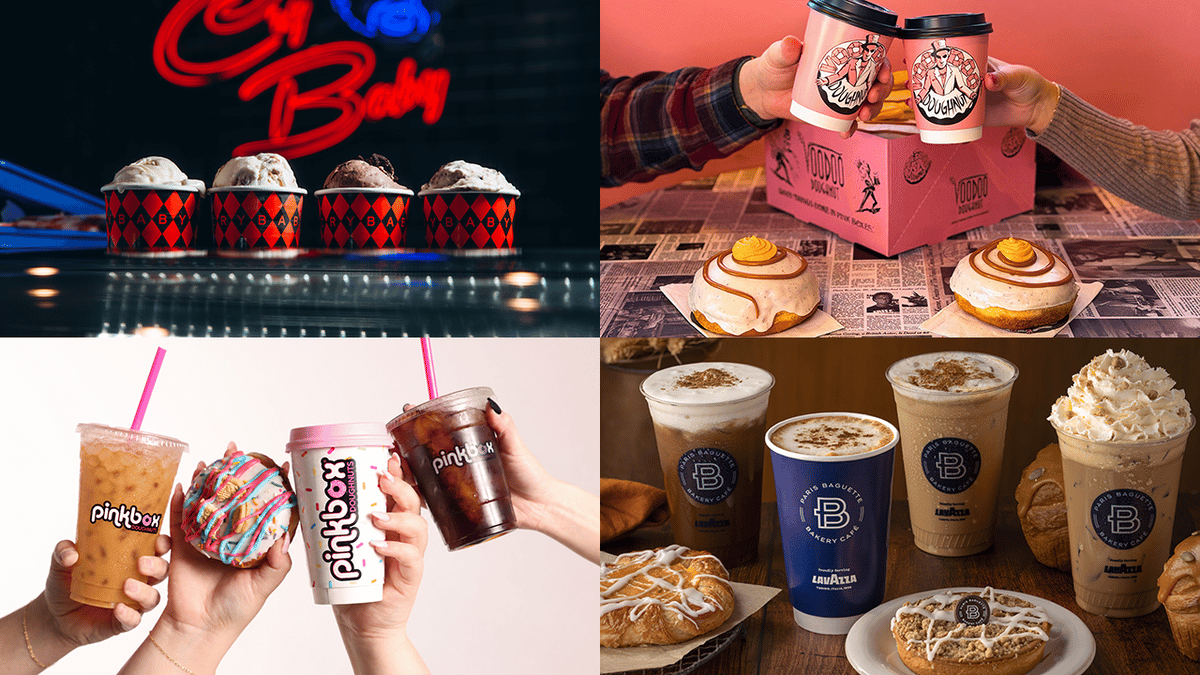
Sweet treats receive equal billing. Bakery items, donuts, and pastries bundle with coffee at discounted rates. This strategy increases average check size while solving a persistent problem for coffee-only retailers, who struggle with per-transaction revenue. Pairing a $2 free coffee with a $6 donut order transforms the economics of the promotion.
Loyalty programs absorb much of the National Coffee Day momentum. Apps and digital punch cards convert one-time deal seekers into repeat customers. Restaurants capture phone numbers, purchase history, and browsing behavior alongside transaction data. The free coffee becomes a loss-leader for long-term customer acquisition.
The timing matters. September sits between summer's iced coffee dominance and fall's hot beverage season. National Coffee Day capitalizes on this inflection point, when consumers psychologically prepare for cooler months and warming beverages.
Competition intensifies annually as chains recognize the promotional calendar's power. What started as a modest observance has evolved into a coordinated industry event rivaling similar occasions like National Donut Day. Independent coffee shops increasingly participate, though they lack the media reach and app infrastructure of larger competitors.
The human element distinguishes standout campaigns. Barista training, equipment upgrades, and sourcing transparency resonate with consumers who view coffee as craft rather than commodity. Restaurants emphasizing direct trade relationships with farms or highlighting roasting methods differentiate from pure discount players.
National Coffee Day ultimately reflects how restaurants weaponize calendar dates to engineer demand during slower periods. The promotions work because they align consumer psychology with operational needs. Restaurants boost September revenue while capturing data and testing new products. Customers receive genuine value alongside exposure to new flavors and formats. The transaction benefits both sides, though the real winner emerges weeks later when one-time deal seekers become regular visitors ordering full-price beverages at their preferred location.