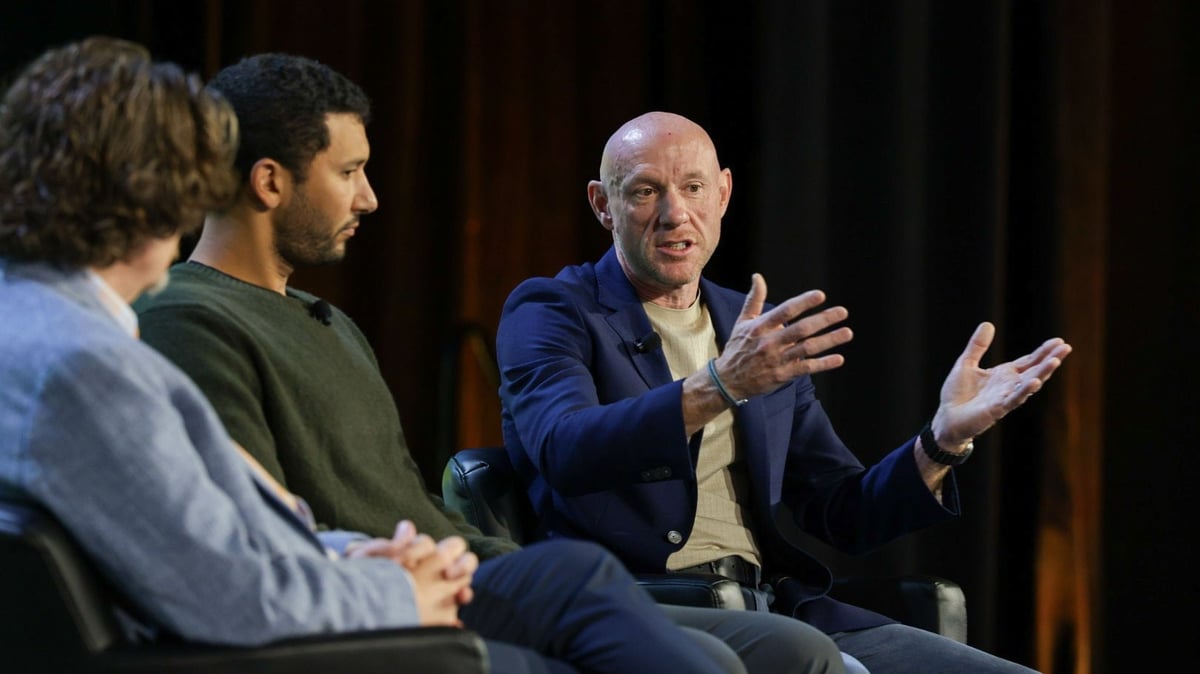
Wonder, the autonomous food production company, presented its roadmap for scaling a fully robotic food manufacturing and delivery ecosystem at this year's FSTEC conference. Company executives detailed how artificial intelligence, robotics, and drone technology will work in concert to slash production costs and reshape the economics of food service.
The company's pitch centers on three interconnected technologies. First, AI-driven production systems optimize cooking, plating, and packaging in darkened warehouses free from human labor constraints. Second, mobile robots handle inventory, quality control, and order fulfillment within these facilities. Third, autonomous drones complete the final-mile delivery, eliminating courier expenses that currently represent 20 to 40 percent of delivery app costs.
Wonder's model addresses a persistent problem in modern food service. Restaurant operators and delivery platforms hemorrhage money on labor, real estate, and logistics. A fully automated kitchen in a low-cost warehouse location sidesteps all three. The company can operate in industrial zones where rent runs a fraction of downtown restaurant costs. No shift managers, no worker's compensation insurance, no turnover headaches.
The drone delivery component proves especially disruptive. Current delivery infrastructure requires drivers who must navigate traffic, search for parking, and wait in restaurants. Drones fly direct routes over buildings and streets, cutting delivery times from 30 minutes to 5 to 10 minutes. This speed advantage means hot food arrives hotter, which translates into better customer experience and fewer refund requests.
Wonder's pitch to restaurant chains emphasizes white-label potential. A QSR chain could license Wonder's production and delivery infrastructure, eliminate their own commissaries and delivery fleets, and focus entirely on menu development and brand marketing. The company absorbs capital costs and operational risk. Chains receive reliable, cheaper production in exchange for brand access.
The technology faces real hurdles. Drone regulatory frameworks remain nascent in most U.S. cities. The FAA has strict rules around autonomous flight, especially over populated areas. Food safety compliance also grows thornier at scale. Autonomous systems must maintain cold chain integrity, prevent cross-contamination, and pass health inspections without human oversight at every step.
Labor economics create another constraint. Regulatory bodies increasingly scrutinize automation's impact on employment. California's proposed legislation on fast-food chains suggests policymakers will attach conditions to large-scale automation adoption. Wonder may face political pushback in markets where job preservation carries weight.
Customer acceptance remains uncertain. Early adopters of robot-made food exist, but mass-market consumers still prefer human-made meals. Wonder's kitchens produce consistent, reproducible food, not creative cuisine. The company targets convenience-focused segments: delivery app users, office workers, and price-sensitive customers. These audiences prioritize speed and cost over culinary artistry.
Wonder projects its model becomes profitable at scale. Three-year unit economics show per-order costs dropping below $3 to $4 once fixed robotic infrastructure amortizes across sufficient volume. At that price point, the company can undercut traditional restaurant supply chains by 30 to 50 percent.
The company raised $350 million in Series B funding, backed by prominent venture firms and strategic investors. That capital funds construction of regional production hubs and drone delivery infrastructure in select markets. Wonder targets major metropolitan areas where delivery demand runs highest and regulatory environments prove most cooperative.
Success hinges on execution. Wonder must build reliable, food-safe robotic systems at scale, navigate drone regulations, and convert skeptical consumers. The company's roadmap assumes rapid progress on all three fronts. Whether that assumption proves accurate will define the next decade of food delivery.