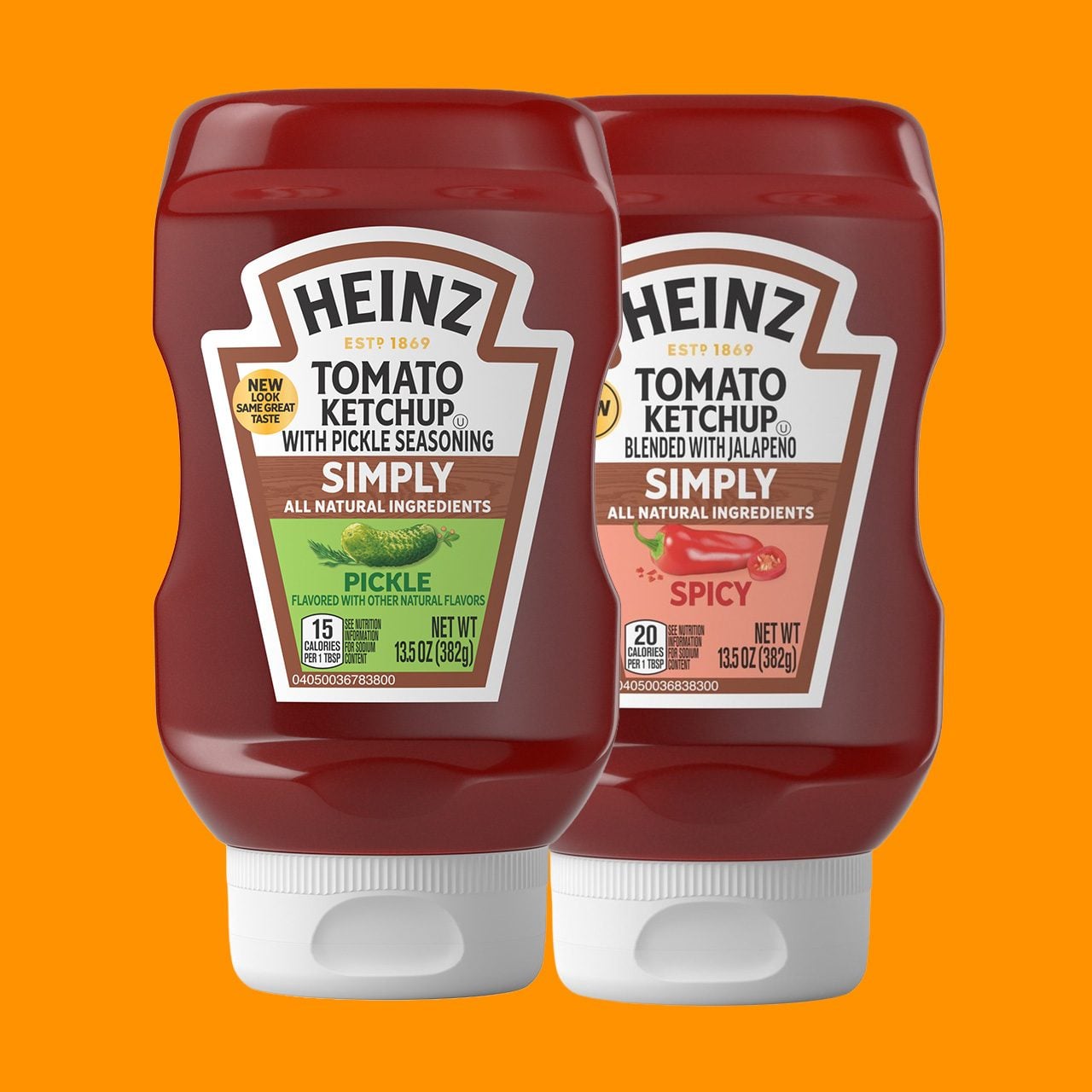
# Heinz Chases Flavor Trends With Two New Ketchup Launches for Football Season
Heinz is betting that condiment innovation will drive sales this fall. The company announced two new ketchup flavors timed to football season, when Americans grill burgers, hot dogs, and fries in record volumes.
The move reflects a broader strategy in the condiment category. Heinz controls roughly 60 percent of the U.S. ketchup market, but growth in tomato-based condiments has slowed as consumers explore global flavors and artisanal alternatives. New variants offer a way to defend shelf space and capture occasions where ketchup competes with sriracha, hot sauce, and specialty mayo blends.
The specific flavors remain unrevealed in available details, though Heinz typically leans into trending ingredients when launching limited editions. Past variants have included ghost pepper ketchup, sriracha-infused versions, and sweeter formulations designed to appeal to younger palates. This launch's "biggest food trends" language suggests the company tapped either spicy elements, globally-inspired flavors, or umami-forward ingredients currently dominating restaurant menus and food media.
Timing matters strategically. Football season runs September through February, with Labor Day kickoff signaling peak grilling weather. Heinz positions these new flavors as tailgate essentials and backyard cookout staples. This seasonal push competes directly with retailers' promotional calendars and food occasions when condiment visibility peaks.
The condiment landscape has fragmented considerably. Brands like Primal Kitchen and Frito-Lay's own condiment lines target health-conscious consumers with organic certifications and lower sugar content. French's, Heinz's primary competitor in yellow mustard, launched their own ketchup variants to defend turf. Regional players and hot sauce makers have carved niches in premium segments, leaving Heinz defending its mass-market position against both premium and niche challengers.
Heinz's parent company, Kraft Heinz, has struggled with innovation perception. The company faced investor pressure after years of declining revenue, leading to portfolio reshuffles and marketing refreshes. New ketchup flavors represent a low-cost way to generate buzz without major reformulation costs. A successful limited edition can drive foot traffic to retailers and social media conversation among food enthusiasts.
The two-flavor approach also hedges bets. Launching multiple options simultaneously lets Heinz test consumer preferences without committing to either flavor long-term. Whichever performs better could become permanent, while the underperformer vanishes as a limited edition, protecting the brand's core positioning.
Distribution will likely focus on major retailers like Walmart, Target, and regional grocery chains where Heinz maintains premium shelf placement. E-commerce channels through Amazon Fresh and specialty food retailers may offer exclusive access to drive online sales. Food service partnerships with stadium concessionaires and stadium vendors could position these flavors as premium condiments above standard offerings.
Success depends on execution. Condiment innovations frequently disappear after brief runs, signaling consumer indifference. But the football season window provides natural media hooks. Sports programming reaches precisely the demographic grilling on weekends, and food writers regularly cover seasonal food trends during this period.
Heinz faces pressure to prove its innovation chops beyond brand heritage. These two new ketchups test whether the condiment giant can ride trending flavors or whether legacy positioning ultimately limits growth potential in an increasingly adventurous condiment market.