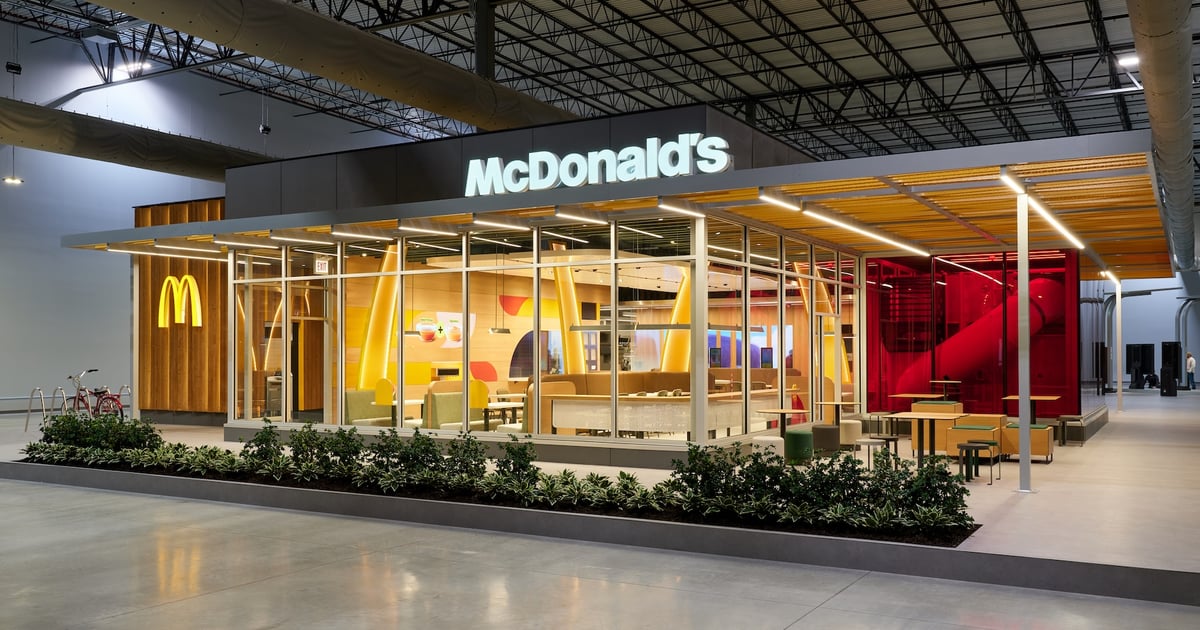
McDonald's is spending $8.5 billion to execute what the company calls its "Next" strategy, a sweeping modernization plan that touches every layer of its global operations, from kitchen equipment to staff training to how it markets burgers and fries.
The investment reflects a company confronting pressure from nimble competitors, changing consumer expectations, and operational challenges that plagued locations during and after the pandemic. McDonald's isn't betting on a single fix. Instead, the company is pulling multiple levers simultaneously: technology adoption, food quality improvements, workforce development, and brand repositioning.
The tech component centers on kitchen automation and digital ordering infrastructure. McDonald's locations will install updated cooking equipment designed to speed throughput and consistency. Mobile ordering and delivery integration get priority, mirroring the shift in how fast-casual and QSR chains now operate. The company also plans to modernize point-of-sale systems and back-of-house operations to reduce wait times and labor bottlenecks.
Food quality receives explicit attention. The company plans menu innovation and sourcing improvements, signaling that McDonald's recognizes commodity perceptions of its product. This matters because competitors like Chick-fil-A and regional chains have seized on quality narratives, forcing McDonald's to defend its position against premiumization trends in the category.
Training represents the second pillar. McDonald's will invest in crew development programs across company-owned and franchised locations. The fast-food industry faces persistent labor shortages and turnover problems. Better training raises service standards and retention, reducing the hidden costs of constant replacement hiring. For franchisees, upskilling staff directly impacts customer satisfaction and operational efficiency.
Marketing evolution rounds out the strategy. The company will shift messaging and creative approaches to appeal to younger consumers and compete for relevance against digital-native chains and delivery platforms. This likely includes social media emphasis, localization, and partnerships with influencers or cultural moments that resonate beyond traditional advertising.
The $8.5 billion commitment spans multiple years and will be distributed across company-owned restaurants and franchise support. McDonald's franchisees will shoulder portions of upgrade costs, creating some friction in a system where franchisors and operators don't always align on spending priorities. The company is banking on the return: franchisees who invest in modernized locations typically see improved unit economics, faster service, and better customer traffic.
McDonald's faces headwinds. Labor costs remain elevated. Commodity prices, particularly beef and potatoes, fluctuate unpredictably. Consumer skepticism about ultraprocessed food persists. Delivery economics still favor standalone digital brands over traditional chains adapting to the channel.
The "Next" strategy amounts to defensive modernization paired with offense on innovation. McDonald's cannot compete with independents on craftmanship or with ghost kitchens on operational flexibility. It can compete on speed, consistency, scale, and brand reach. The company is betting that investing in the infrastructure to deliver those advantages faster and more reliably will justify continued consumer loyalty and franchisee commitment.
This is incremental but comprehensive strategy. McDonald's isn't reinventing itself as a premium brand or abandoning its value positioning. Instead, it's updating the operating system that delivers what McDonald's has always sold: fast, consistent, affordable meals at scale.