# Quick-Service Giants Navigate Labor, Technology, and Diner Demand
Starbucks, Burger King, and Olive Garden dominate this week's restaurant news cycle, each facing distinct pressures that reshape how chains operate and compete for consumer dollars.
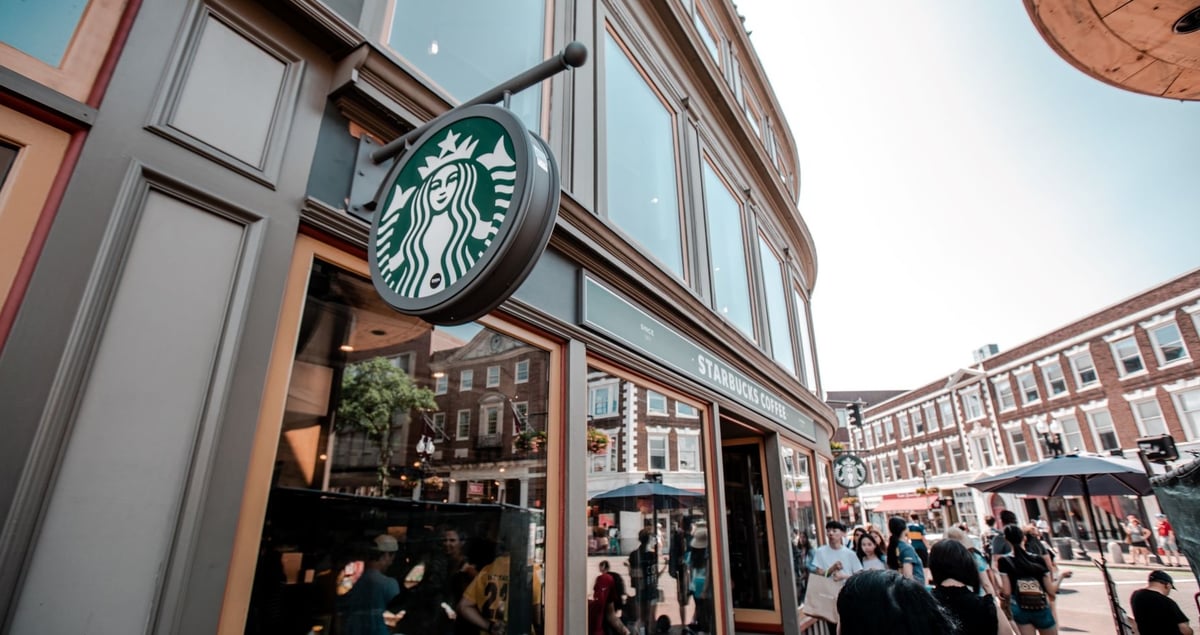
Starbucks accelerates its store closure strategy. The coffee giant shuts locations across North America, citing labor organizing efforts and operational challenges in certain urban markets. The closures represent a significant pivot from the chain's decades-long expansion playbook. Store counts matter in quick-service coffee because convenience drives repeat visits. When Starbucks pulls back, it cedes neighborhood density to competitors like Dunkin' and local roasters. The labor dimension adds complexity. Store closures concentrate unionization efforts in remaining locations, potentially emboldening worker organizing campaigns elsewhere. This mirrors broader tension in quick-service: automation and consolidation versus wage pressure and staffing costs.
Burger King deploys artificial intelligence at the drive-thru. The fast-food chain tests AI ordering systems designed to reduce labor dependency and streamline transactions during peak hours. Drive-thru speed determines customer satisfaction metrics in QSR, where seconds matter. An AI system that handles orders faster while reducing errors appeals to both franchisees watching labor costs and customers frustrated by wait times. The tech deployment reflects industry-wide pressure to cut labor expenses without sacrificing service. Burger King franchisees operate on thin margins. AI ordering reduces the number of employees needed per shift, a concrete cost saving. Whether customers accept voice-based AI instead of human interaction remains an open question, particularly among older demographics or in markets where personalization drives loyalty.
Olive Garden reports sales momentum. The Italian-American casual-dining chain shows strength amid broader casual-dining headwinds. The brand's unlimited breadsticks and soup-salad-pasta bundle remain consumer favorites, particularly in suburban and secondary markets where Olive Garden maintains dominant positioning. Casual dining has faced years of contraction from fast-casual upstarts and QSR innovation. Olive Garden's performance suggests durable appeal in specific demographics and geographies. The chain's parent company, Darden Restaurants, relies on Olive Garden as its volume engine. Strong sales here stabilize corporate earnings and fund investment in other banners like Cheddar's Scratch Kitchen and The Capital Grille.
These three stories intersect around labor, technology adoption, and market segmentation. Starbucks retreats from unprofitable locations and unionization hotspots while investing in company-operated stores that offer better labor control. Burger King accelerates automation to reduce headcount dependency. Olive Garden thrives by serving a specific customer base that values consistency and value over trendiness or experiential dining.
The casual-dining bounce-back surprises some analysts who predicted the category's decline. But operators like Darden prove that volume, operational excellence, and menu familiarity sustain growth. QSR chains like Burger King innovate with technology. Starbucks consolidates and controls labor supply. Each strategy reflects different market positions and competitive threats in a restaurant sector that reshuffles constantly.