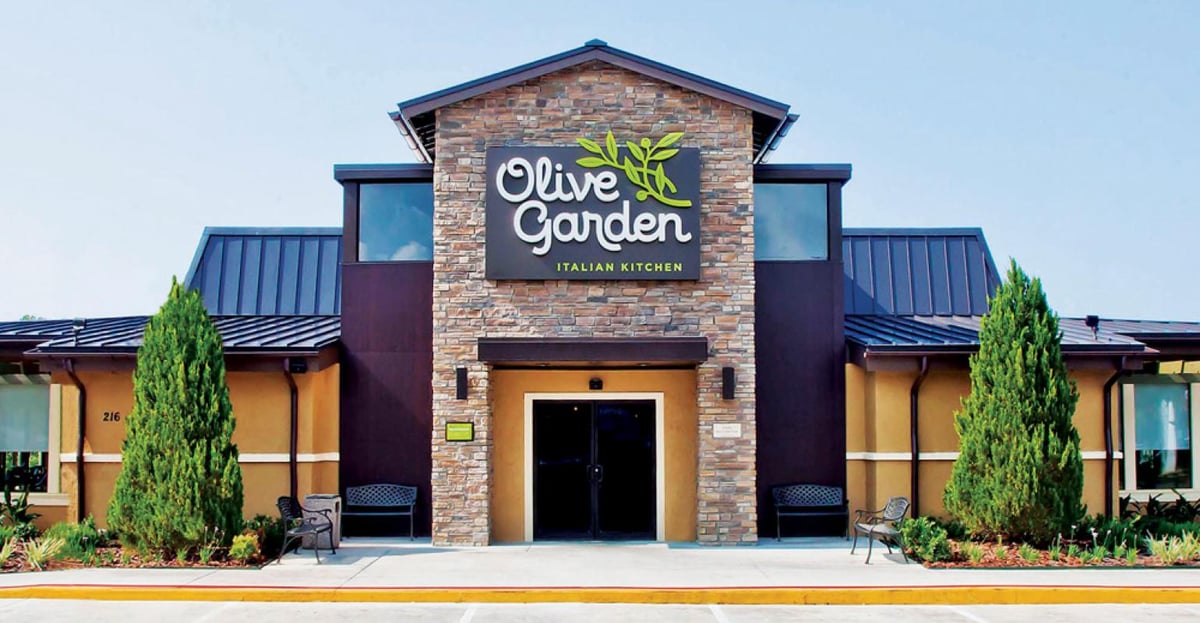
Olive Garden's summer dining season hit an unexpected snag when a cyclospora outbreak tied to contaminated lettuce forced the casual-dining giant to pivot its marketing strategy and contend with flagging sales.
The parasitic infection, which causes severe gastrointestinal distress, spread through multiple states via contaminated fresh produce. The outbreak cast a shadow over one of the restaurant industry's busiest seasons, a period when chains typically capitalize on family gatherings, vacations, and outdoor entertaining. Olive Garden, known for its unlimited breadsticks and salad offerings, found itself in a vulnerable position. The chain's signature unlimited salad and breadstick promotion became a liability rather than an asset as consumers grew wary of lettuce-based dishes.
The timing proved brutal for Olive Garden's parent company, Darden Restaurants. Summer represents a critical revenue window for casual-dining operators, particularly those relying on value-driven promotions to drive traffic. The outbreak forced the chain to recalibrate its messaging, shifting away from emphasizing fresh salads and produce in its advertising. Instead of promoting the unlimited salad bar as a centerpiece of its value proposition, Olive Garden redirected marketing efforts toward its pasta dishes, seafood offerings, and other menu items perceived as lower-risk in consumers' minds.
The contaminated lettuce issue highlights a persistent vulnerability in America's food supply chain. Cyclospora outbreaks typically emerge during warmer months when leafy greens move through multiple distribution channels. This particular outbreak underscored how quickly food safety concerns can ripple through restaurant operations, affecting not just a single location but entire chains and their financial performance.
Sales figures reflected consumer hesitation. Traffic declined as diners stayed home or chose dining venues perceived as safer alternatives. Olive Garden's response included additional produce inspections, supplier audits, and enhanced food safety protocols. The chain worked closely with produce suppliers to trace contamination sources and implement preventive measures.
The outbreak illustrated how heavily casual-dining chains depend on consumer confidence and perception. Unlike fast-casual or quick-service restaurants that can pivot menus quickly, casual-dining operators like Olive Garden face structural challenges when their signature dishes face safety questions. The unlimited salad promotion, a cornerstone of customer acquisition for decades, suddenly became a marketing obstacle.
Industry observers noted that the outbreak forced Olive Garden and competitors to reconsider how they source, store, and prepare fresh produce. Some chains accelerated investments in farm-to-table verification systems and supply-chain transparency initiatives. The cyclospora situation became a case study in crisis management for the restaurant sector.
Recovery required time. Olive Garden gradually reintroduced salad-focused messaging once health authorities cleared produce supplies and new safety measures demonstrated effectiveness. The chain eventually restored confidence among its customer base, though the outbreak's financial impact persisted through the quarter.
This episode revealed the restaurant industry's ongoing struggle with food safety accountability. For Olive Garden specifically, it meant temporarily abandoning one of its most effective marketing tools and rebuilding consumer trust during one of its most profitable seasons.