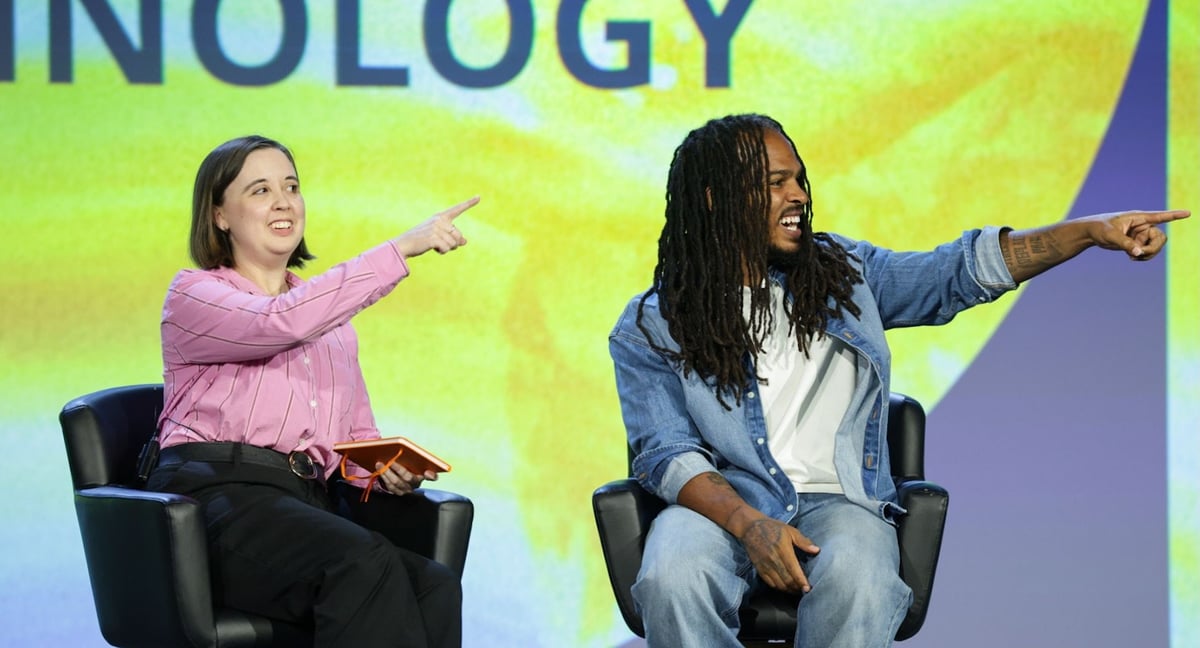
Keith Lee has transformed from a restaurant reviewer into a small business champion, a shift he detailed at the FSTEC conference in Dallas this week. The content creator's evolution reflects a broader change in how food media operates. Social platforms now serve not just as entertainment channels but as business lifelines for independent restaurants and food entrepreneurs.
Lee's journey illustrates the power dynamics that have reshaped the industry. What began as casual restaurant reviews on platforms like TikTok has morphed into something more consequential. A single post from Lee can drive lines around the block or introduce unknown regional chains to millions. His audience reaches into the tens of millions, granting him outsized influence over which establishments thrive.
The shift toward advocacy work marks a deliberate choice by Lee. Rather than simply consuming and rating food, he now prioritizes amplifying voices from owners who lack traditional media access. This matters because restaurant marketing historically favored established chains with advertising budgets. Independent operators relied on word-of-mouth and local press coverage, both finite resources. Lee's platform democratizes exposure in ways traditional food journalism never could.
His approach at FSTEC centered on storytelling mechanics. Behind every successful review sits narrative structure. Lee doesn't just taste food. He captures the owner's struggle, the family history embedded in a recipe, the resilience required to stay open through inflation and staffing crises. These stories resonate because they're human first and gastronomic second.
The business implications run deep. Restaurants appearing in Lee's content experience measurable revenue spikes. Suppliers gain visibility. Food entrepreneurs who appear in his videos report increased investor interest and customer inquiries. This creates a new form of media currency where social proof becomes more valuable than Michelin stars or James Beard nominations for emerging businesses.
Yet Lee's advocacy role also raises questions about influence concentration. When a single creator controls access to millions of potential customers, that creator wields tremendous power. What gets featured and what remains invisible depends on algorithmic decisions and editorial choices made by one person. The food industry has grown dependent on his endorsement.
Lee acknowledged this responsibility at the conference. He spoke about choosing which stories deserve amplification and how his platform carries weight. The megainfluencer framed his work as service, not just content creation. He aims to highlight overlooked talent and underrepresented cuisines while building sustainable businesses.
The FSTEC audience represents restaurant operators and technology leaders who recognize that social media is no longer supplementary to restaurant success. It's central. Keith Lee's presence at the conference signaled this reality. Influencers have become tastemakers with economic power rivaling traditional critics and industry gatekeepers.
This evolution matters for how restaurants operate going forward. Chefs and owners increasingly must think like content creators. Plating becomes performance. The dining experience transforms into a moment designed for documentation and sharing. Lee's influence accelerates this shift while simultaneously giving independent operators tools they previously lacked to reach customers at scale.