# Angie's Pizza Plants Roots in Houston's Heights After Years of Movement
Angie's Pizza has traded its nomadic existence for a brick-and-mortar home in Houston's Heights neighborhood, marking a significant milestone for a concept that built its reputation through pop-ups and temporary locations. The permanent restaurant joins a growing wave of successful street-food vendors and temporary dining concepts that transform into established establishments, banking on loyal followings built during their unofficial phases.
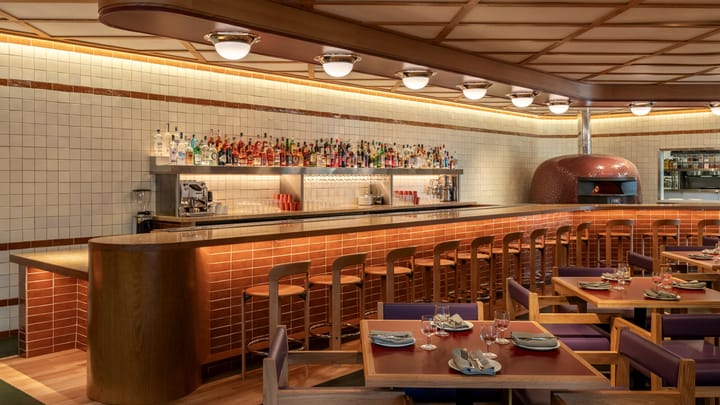
The new location carries particular ambition. Alongside the main pizzeria, Angie's Pizza operates Bar Angie upstairs, an Italian Deco-inspired cocktail bar that signals an expanded vision beyond the casual pizza counter model. This vertical stacking of concepts within a single building reflects a shrewd approach to real estate economics and customer experience. Pizza diners can ascend for aperitivos and proper cocktails, while bar patrons gain access to pizza as sophisticated late-night fare.
The Heights location proves strategic. Houston's Heights district has transformed over the past decade into a dining destination anchored by both independent restaurants and chef-driven concepts. The neighborhood attracts young professionals, families, and food tourists willing to venture beyond downtown or the Westheimer corridor. For Angie's Pizza, operating from pop-ups meant flexibility but also constant logistical strain. Leasing a brick-and-mortar space eliminates setup overhead, reduces equipment transportation, and most critically, allows for menu expansion and consistent operational control that pop-ups cannot accommodate.
The Italian Deco design language signals a deliberate positioning. Rather than adopting industrial minimalism or casual street-food aesthetics, Angie's Pizza opts for European elegance. This choice suggests pricing will sit above basic pizzeria territory and that the restaurant targets customers seeking both quality pizza and dining atmosphere. Bar Angie's inclusion further reinforces this positioning. Houston's cocktail bar scene remains robust, with venues like Night Shift, Julep, and The Pastry War establishing expectations for thoughtful spirit work and ingredient quality. An Italian-focused cocktail program can leverage Italian aperitivos, amari, and vermouths alongside technical bartending.
Pop-up success rarely translates automatically to permanent restaurant viability. The economics shift entirely. Fixed rent, utilities, full-time staff payroll, and licensing compliance demand consistent daily revenue that temporary events never require. Angie's Pizza enters this phase having proven market demand and operational capability. The decision to open in Heights rather than more expensive neighborhoods suggests management understands unit economics and customer willingness to travel for proven concepts.
The restaurant's opening reflects Houston's broader food culture evolution. The city has shifted from a market dominated by large regional chains and Tex-Mex institutions toward a destination with legitimate artisanal food ambitions. Concepts like Underbelly, The Pass and Provisions, and Adair's Kitchen created templates for chef-driven independence. Angie's Pizza follows this trajectory, though built from grassroots pizza enthusiasm rather than fine dining credentials.
Bar Angie's presence matters operationally too. Pizza businesses traditionally struggle with beverage margins. A dedicated upstairs bar expands profit potential and encourages longer customer visits. Someone ordering pizza at 6 p.m. might become a two-hour guest consuming cocktails and additional small plates, dramatically improving per-person spending. This programming mirrors successful models in cities like New York and Los Angeles, where pizza restaurants increasingly function as full-service hospitality venues rather than quick-service outlets.
Angie's Pizza's permanent arrival tests whether a concept born in temporary spaces can sustain itself within permanent operational demands. Early indicators suggest confidence on the ownership side. The Italian Deco styling, the cocktail bar addition, and the Heights location selection all point toward thoughtful execution rather than mere expansion for expansion's sake.